How a Tiny Fish Sparked a Major Conservation Success in Iowa
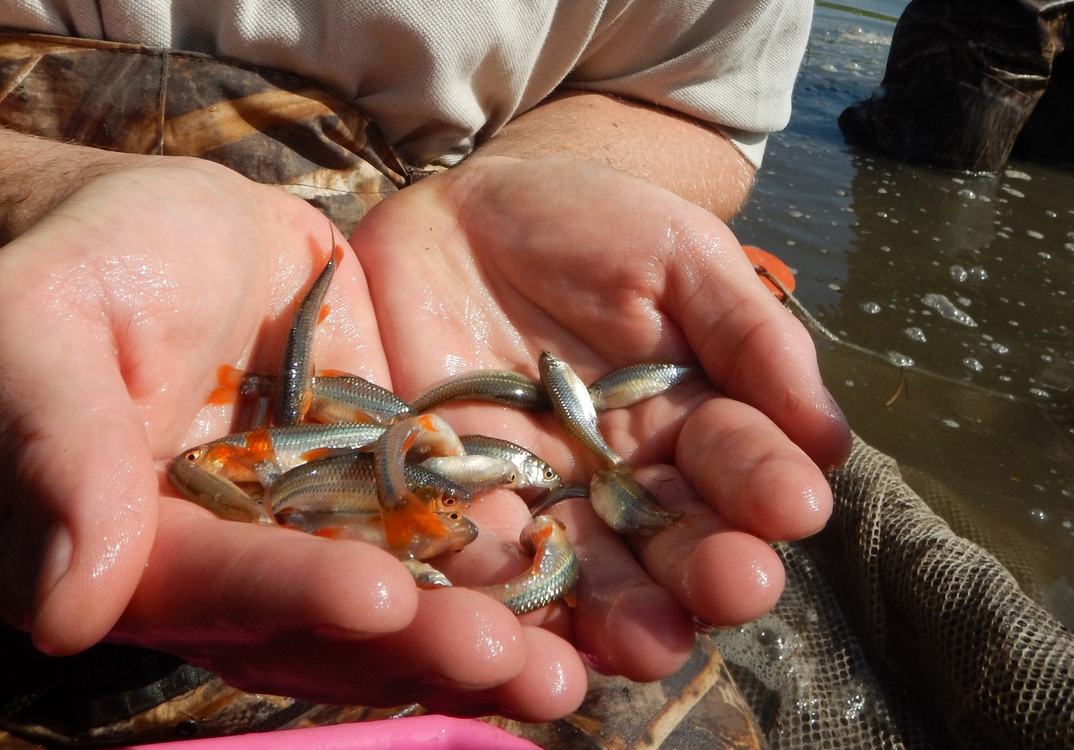
Across Iowa, urgent conservation efforts focused on the Topeka shiner, a federally endangered fish, have led to the remarkable restoration of hundreds of ponds and wetlands. Originally aimed at saving this small minnow, the initiative has yielded significant environmental benefits, addressing the state's nutrient runoff and revitalizing diverse ecosystems.
A Restoration Journey
The journey to restore Iowa's oxbow lakes dates back to the late 1990s, after the Topeka shiner was placed on the Endangered Species List. With the collaboration of the US Fish and Wildlife Service and the Iowa chapter of the Nature Conservancy, a restoration strategy was implemented to identify and restore these crucial wetland habitats. Once abundant in the state, oxbow lakes now reclaim their significance, covering a fraction of their former expanse.
Beyond the Shiner: A Flourishing Ecosystem
While the primary focus was on the Topeka shiner, the success of the wetlands has been profound. The resurgence of these habitats has also supported the return of 57 fish species, 81 bird species, and various other wildlife, including mussels, turtles, and even river otters. The positive feedback from landowners highlights the broader ecological benefits of these efforts.
A Story of Collaboration and Success
The restoration of Iowa's wetlands has been made possible through a combination of private investments, state funding, and federal grants. By alleviating any financial burden from landowners, the initiative has encouraged widespread participation. With more than 200 oxbow lakes restored, the results are promising, with Topeka shiners already found inhabiting 60% of these revitalized areas. The ongoing support from organizations like the Iowa Soybean Association has infused additional energy into these efforts, expanding their reach.
Hope for the Future
The progress in restoring the Topeka shiner population is being recognized, with recommendations to move the fish from "endangered" to "threatened" status. This potential shift reinforces the effectiveness of the Endangered Species List as a powerful tool for wildlife conservation and serves as an inspiring testament to what dedicated conservation efforts can achieve.

