How Grandparenting Boosts Brain Power: A Surprising New Study Reveals Benefits
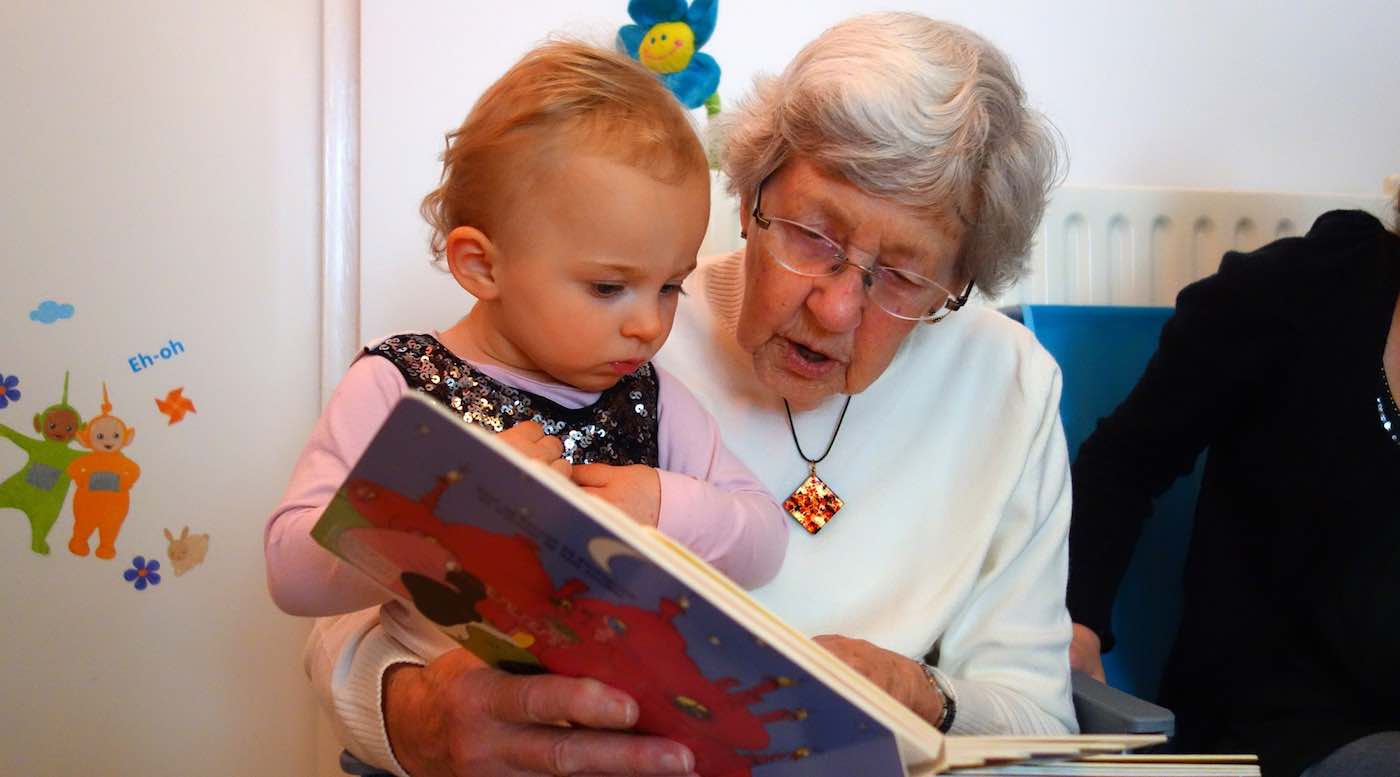
A recent study has unveiled the remarkable benefits of being an involved grandparent, highlighting a crucial link between caregiving for grandchildren and cognitive health in older adults. According to the research led by Flavia Chereches at Tilburg University, caring for grandchildren can act as a protective factor against cognitive decline and dementia.
The Study's Insights
Involving 2,887 grandparents over the age of 50, the study analyzed their cognitive performance over several years. Participants reported on their involvement in childcare activities, ranging from babysitting and engaging in leisure activities to helping with homework. The findings were substantial and revealed that those who provided such care scored significantly higher on memory and verbal fluency tests compared to their counterparts who did not engage in grandchild care.
Positive Implications for Health
Notably, grandmothers who participated in childcare exhibited lesser cognitive decline throughout the study period. Chereches emphasized that the act of being an engaged grandparent mattered more than the specific type or frequency of care provided. This involved engagement appears to foster mental agility, illustrating that the experience of caregiving itself plays a pivotal role in maintaining cognitive health.
Grandparents Making a Difference
The significance of this study extends beyond individual health benefits. In the UK alone, approximately five million grandparents undertake childcare roles, often to ease financial burdens on their children. Age UK supports this notion, indicating that such "gran-nannying" not only bolsters familial support but also enriches the lives of the grandparents, keeping them active and connected while reducing feelings of loneliness.
A Testament to Family Bonds
As shared by a CBS news host whose mother assists with his children, the revitalizing effects of being a grandparent are apparent. She conveyed how her grandchildren energize her, reinforcing the idea that these familial relationships enhance well-being. The findings of this study encourage families to cherish and facilitate these interactions, emphasizing the dual benefits of caregiving.
This research opens the door for further studies into the relationship between cognitive health and family dynamics, suggesting a societal need to support and celebrate the role of grandparents in family structures. Taking on the role of caregiver not only provides invaluable assistance to families but also serves as a powerful strategy for mental resilience and longevity in grandparents.

