How Mauritius is Leading the Charge in Coral Conservation
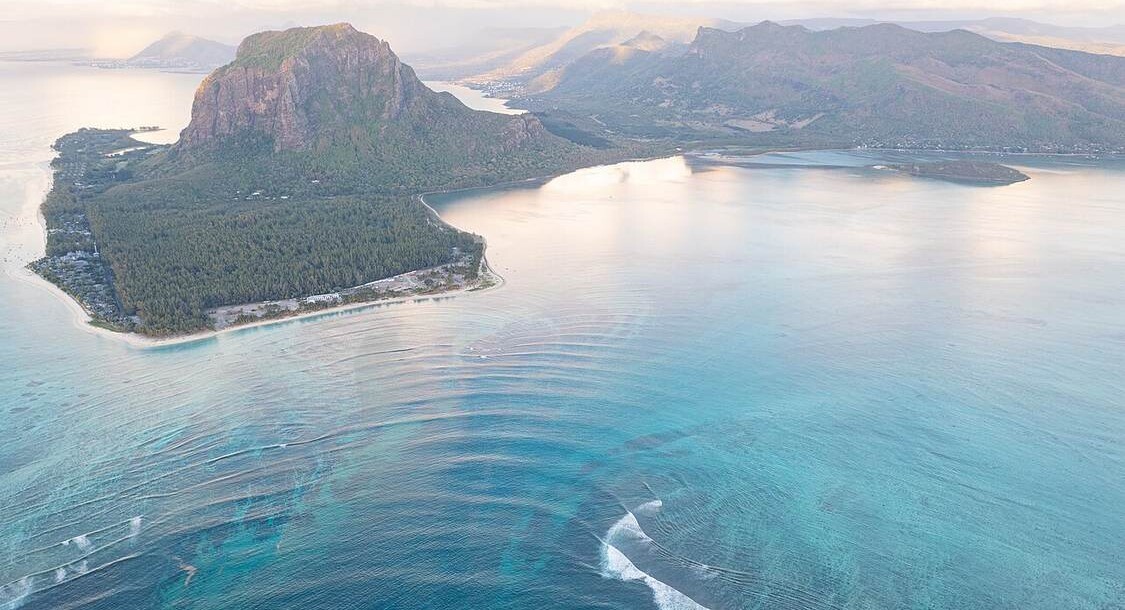
In the face of global warming and its devastating effects on marine ecosystems, a remarkable story of resilience is unfolding in Mauritius. As a large-scale coral bleaching event occurred last summer, one group of corals demonstrated exceptional survival, showcasing the potential of innovative coral management techniques.
Innovative Approaches to Coral Restoration
Dr. Nadeem Nazurally and his team are at the forefront of a revolutionary project aimed at breeding heat-resistant corals that can withstand the rising sea temperatures causing mass bleaching events. While wild reefs around Mauritius suffered bleaching rates as high as 80%, Nazurally’s efforts revealed that not only could these corals survive, but they could thrive under challenging conditions.
Partnerships Making a Difference
The collaboration between local institutions, including the Mauritius Oceanography Institute and the University of Mauritius, has enhanced the effectiveness of coral breeding techniques. With necessary funding support from the government and UN, researchers are embracing a new method that holds considerable promise for coral ecosystems worldwide. By focusing on breeding selections that demonstrate heat-resistance, the hope is to create a sustainable future for Mauritius’s stunning reefs.
A Bright Future for Coral Ecosystems
The success of Nazurally’s study, which reported a staggering 99.8% survival rate for the hydrozoan genus Millepora during the recent bleaching, marks a significant step in marine science. This extraordinary achievement emphasizes the importance of adapting coral management strategies to ensure the longevity of these crucial ecosystems. By utilizing advanced scientific methods to predict spawning events, researchers are not only collecting coral gametes more effectively but also enhancing their chances of survival in rapidly changing environments.
As Mauritius navigates through these environmental challenges, it sets a powerful example for other nations grappling with similar issues, demonstrating that research and innovation can pave the way for adaptation to climate change rather than relying solely on mitigation. The lessons learned in Mauritius could influence global strategies for coral conservation, ultimately reshaping our approach to protecting these invaluable marine habitats.

