How the Green and Golden Bell Frog is Making a Triumphant Comeback in Australia
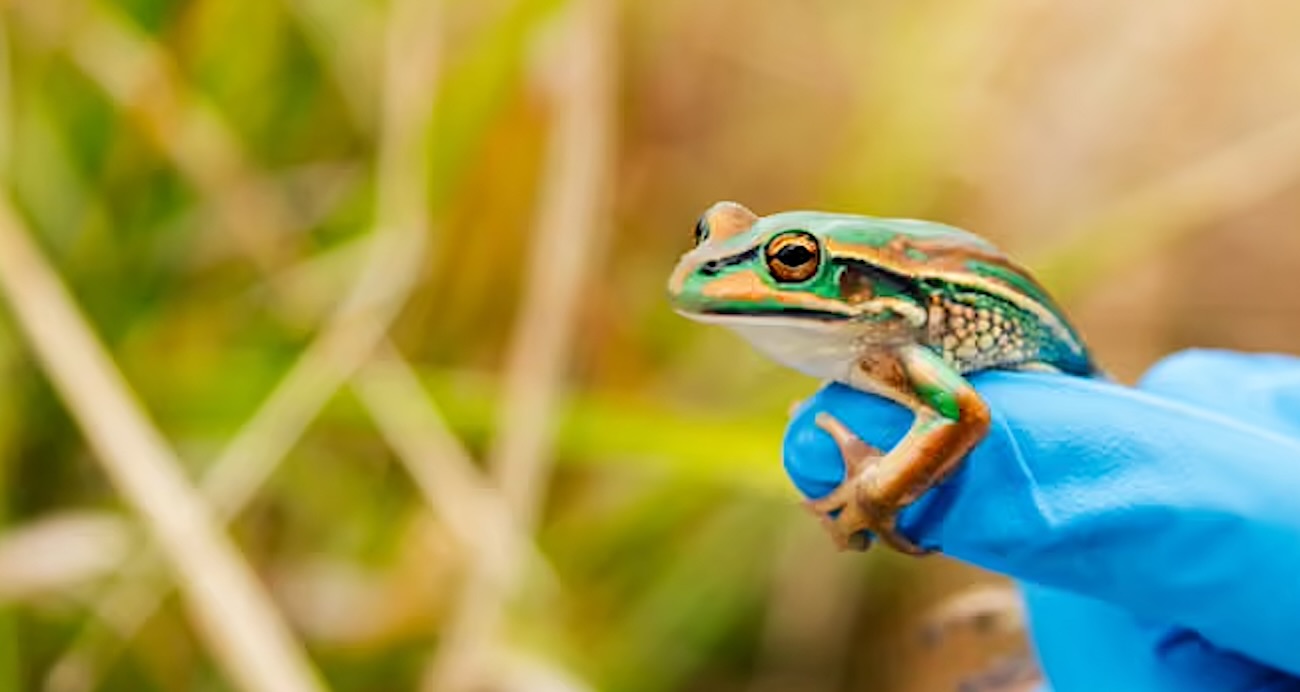
In a remarkable conservation effort, the green and golden bell frog is being reintroduced to the wetlands around Canberra, Australia, after facing a devastating population decline. This beautiful amphibian, which dramatically decreased in numbers due to the chytrid fungus, has found new hope through a dedicated breeding and reintroduction program.
Innovative Conservation Strategies
Scientists from the University of Canberra have been pivotal in this initiative, as they prepared over 300 captive-bred frogs to be released in small groups into carefully selected ponds and wetlands. These frogs have been immunized against the deadly chytrid fungus, which has wreaked havoc on amphibian populations worldwide. The reintroduction process is akin to witnessing a child leave for college, according to Associate Professor Simon Clulow, who expressed excitement at this potential turnaround for the species.
The Role of 'Frog Saunas'
Central to this effort are the so-called 'frog saunas'—specially designed structures made of black bricks and plastic sheets that create a warm habitat conducive to the frogs' survival. These saunas maintain temperatures that are lethal to the chytrid fungus, allowing the frogs to thrive. With over 180 of these refuges installed around wetlands, the scientists are hopeful that the frogs will flourish in their new environments.
A Bright Future for the Species
The goal of the initiative is ambitious: to establish populations exceeding 200 frogs in each of the 15 designated ponds. Given that each female green and golden bell frog can lay approximately 8,000 eggs in a single season, the team anticipates a rapid population expansion. However, there remains concern for the offspring, as they will still be vulnerable to the chytrid fungus. Nonetheless, the innovative 'frog spas'—locations with a warm, slightly saline water—have been identified as ideal relocation sites for a successful future.
This effort serves as a beacon of hope in conservation, demonstrating that with science and creativity, it is possible to reverse the damage done to our fragile ecosystems. The green and golden bell frog's journey back to the wild inspires many in the field of conservation and beyond, reminding us that progress is possible, even in the face of adversity.

