How the Super Bowl Became a Beacon of Sustainability
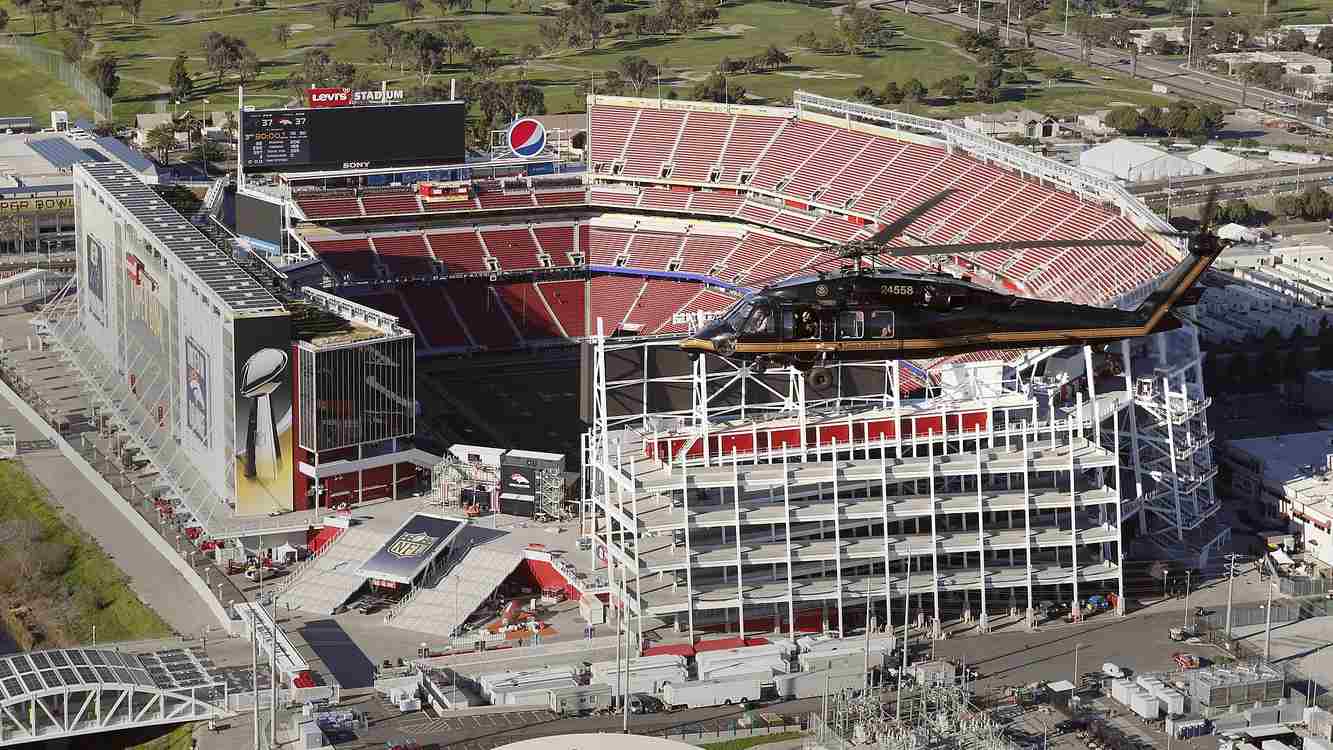
The recent Super Bowl LX showcased not only athletic prowess but also a remarkable commitment to sustainability through innovative environmental practices. Organized in collaboration with ENGIE Impact, the event highlighted how major sporting occasions can significantly reduce their ecological footprints.
Sustainable Practices in Action
This year, the NFL Green program, along with ENGIE Impact, ensured that all carbon emissions from the event were offset. Their initiatives included comprehensive recycling efforts and the utilization of green, renewable energy sources throughout Levi’s Stadium in Santa Clara, California. The results were impressive, with indications that the event achieved similar sustainability successes as last year's Super Bowl in New Orleans.
A Legacy of Waste Management
One of the standout features of this year’s event was the introduction of a sophisticated three-color waste bin system, aimed at simplifying waste segregation for attendees. ENGIE Impact provided staff to assist fans with proper waste disposal, reinforcing educational efforts around recycling.
Community Engagement and Donations
Beyond recycling, ENGIE Impact implemented materials donation initiatives. Leftover materials from the Super Bowl, such as fence mesh and carpets, were repurposed for community use, benefiting local schools and parks. This collaborative effort of repurposing exemplifies a model of sustainable event management that prioritizes communal benefit.
Looking Towards the Future
Ultimately, the Super Bowl is setting an example for large-scale events by striving for sustainability. With continued advancements in renewable energy and the responsible management of waste, the NFL demonstrates that it is possible to host grand spectacles while adhering to principles of sustainability. As we look to the future, such efforts are integral to offsetting climate change and fostering community support.

