How the Super Bowl Turned Green: A Look at Sustainable Innovations
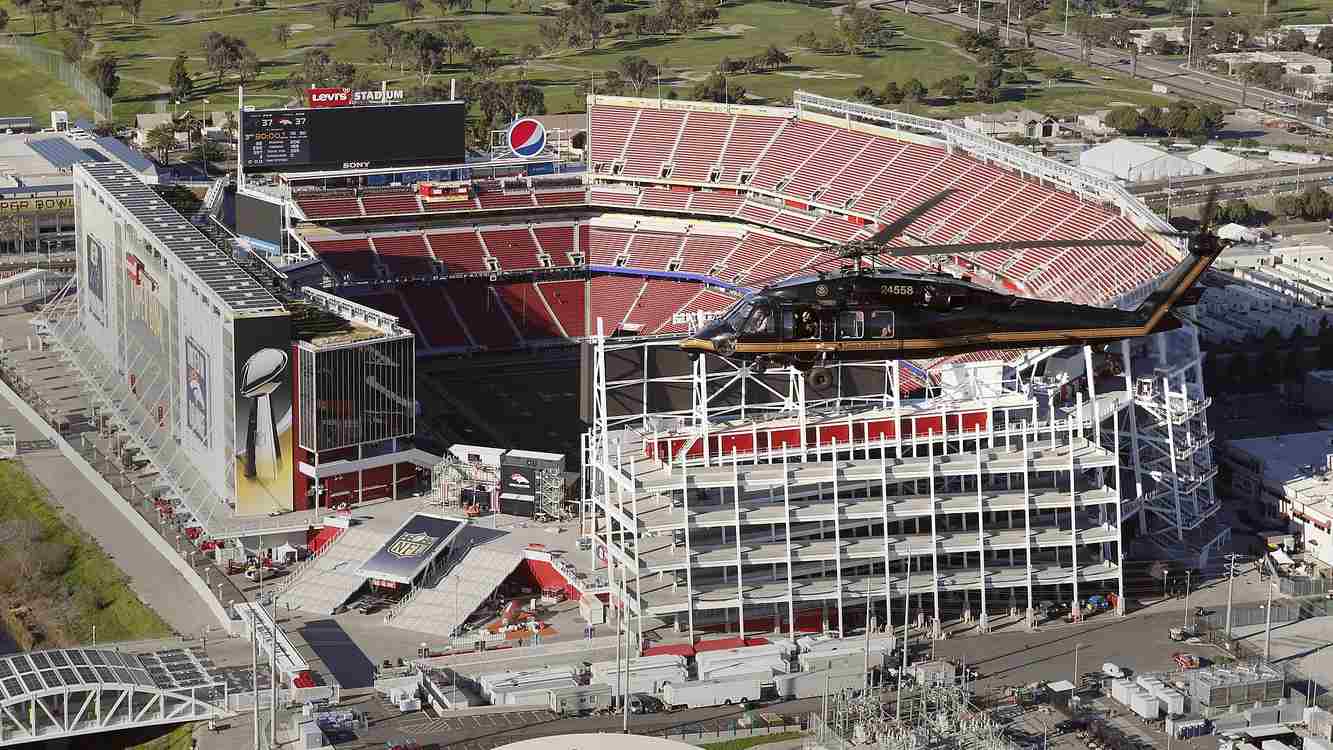
In an impressive display of sustainability, the Super Bowl LX event at Levi's Stadium has shown how large-scale entertainment can prioritize the environment. Collaborating with ENGIE Impact, the NFL has undertaken significant measures to offset carbon emissions, ensuring that this iconic event leaves a minimal ecological footprint.
Impressive Waste Management Efforts
This year, the Super Bowl organizers have achieved a remarkable feat, recovering 250 tons of materials, including both trash and reusable items, which is a five-fold increase compared to previous events. This proactive approach highlights a commitment to recycling, as all stadium waste was processed responsibly, further promoting a green message to attendees and fans alike.
Commitment to Renewables
Levi's Stadium is almost entirely solar powered, with diesel generators operating on biodiesel, resulting in significantly lower emissions. These efforts underscore a trend in the sports industry toward embracing renewable energy sources, with the potential of further reducing environmental impact at future events.
Community-Centric Material Donations
Beyond merely managing waste, the NFL and ENGIE Impact have engaged in community-driven initiatives. Materials like leftover carpets from tailgate parties were donated to schools, and fence mesh was redirected to parks and recreation departments. This focus on reutilization not only benefits the environment but also strengthens community ties by supporting local organizations.
As the NFL continues to set an example for event management, the positive impact of these sustainable practices serves as an inspiring model for future large-scale events. With ongoing efforts, the Super Bowl demonstrates that entertainment and environmental responsibility can go hand in hand, paving the way for a greener future.

