How to Support Garden Birds: Simple Changes for a Healthier Future
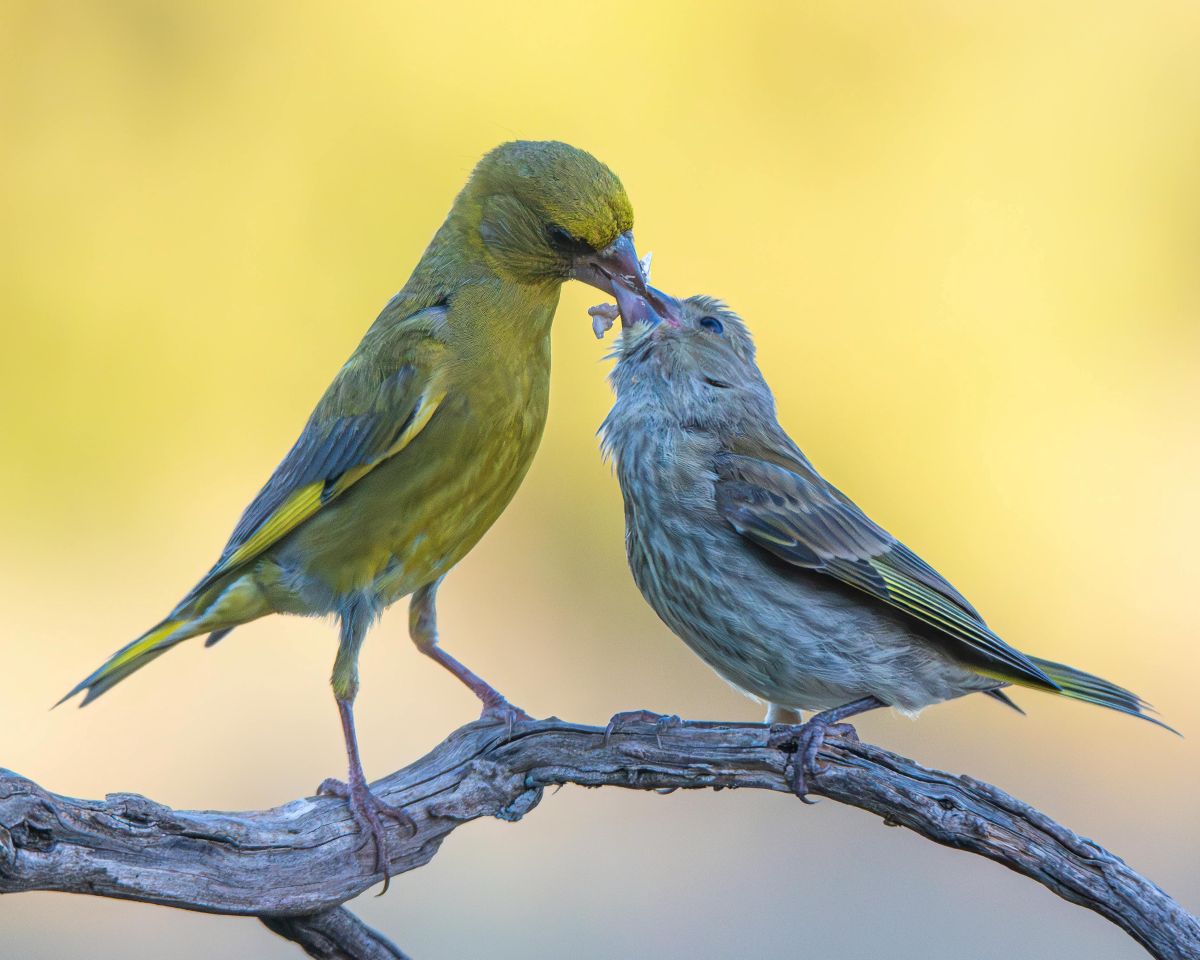
As the world observes a concerning decline in bird populations, particularly among species like the greenfinch, new guidance aims to harmonize our love for feeding garden birds with their health needs. The recent Big Garden Birdwatch saw participation from over 650,000 citizen scientists, showing how deeply engaged the public is in bird conservation. While the survey revealed declining numbers of certain birds, it also highlighted the positive steps we can take to nurture our feathered friends.
The Importance of Seasonal Feeding
The Royal Society for the Protection of Birds (RSPB) emphasizes the need for seasonal adjustments in how we feed these creatures. By changing what we offer them during high-risk months, specifically summer and autumn, we can significantly reduce the risk of disease transmission among bird populations. This means understanding that while feeding is vital, it must be done thoughtfully and hygienically.
Gardening for Wildlife: A Sustainable Approach
Interestingly, RSPB leaders point out that there are effective alternatives to bird feeders. Gardening in a wildlife-friendly manner creates a natural habitat that allows birds to find food on their own. Planting varied flowers, berry bushes, and fruit trees can serve as a sustainable source of nutrition while reducing dependency on feeders that might spread diseases. Creating bug hotels can support insects, which are essential in the bird food chain. These methods not only benefit the birds but also enrich the ecosystem we all share.
A Collective Effort for Bird Health
“Feeding birds is something millions of us love and value,” says RSPB’s chief executive, Beccy Speight. The call to action is clear: while it's not necessary to eliminate bird feeding altogether, we all must adopt practices that prioritize the long-term health of birds. By making small but significant changes, we can help mitigating potential health risks while ensuring that the act of feeding continues to be a positive contribution to nature. Together, through concerted efforts, we can advocate for healthier wildlife and a thriving environment for the generations to come.

