Innovative Approach to Rhino Protection: A Game-Changer in Conservation
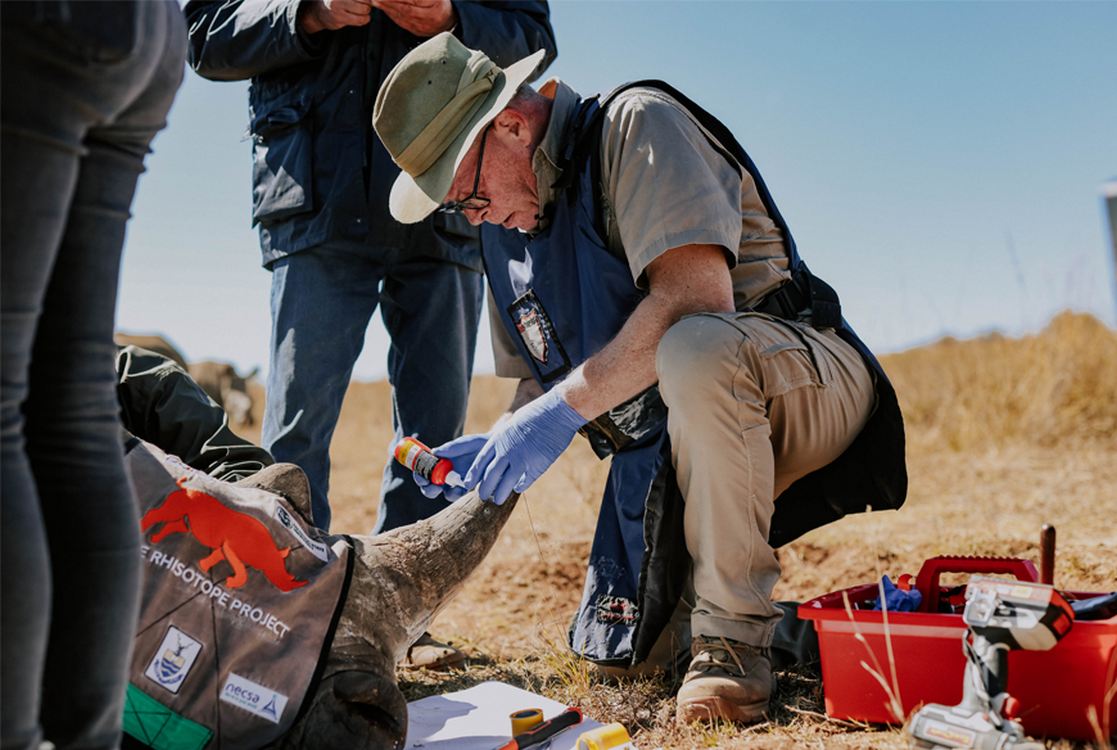
In an extraordinary development for wildlife conservation, South Africa is implementing a groundbreaking strategy to protect its rhinos from poaching. The Rhisotope Project, a six-year endeavor, utilizes non-harmful radioactive isotopes embedded in rhino horns, making them detectable at border crossings and thereby thwarting illegal trafficking efforts.
The Science Behind the Rhisotope Project
Led by the University of Witwatersrand-Johannesburg, the Rhisotope Project aims to combat the alarming rates of rhino poaching that threaten both white and black rhinoceros populations. As Jessica Babich, CEO of the project, states, the initiative strives to protect not just rhinos but a crucial part of South Africa's natural heritage. Equipped with 11,000 radiation detection machines installed globally, the project can seamlessly integrate into existing customs security systems, enhancing the fight against wildlife trafficking.
A Safe and Effective Solution
Concerns about potential harm to the rhinos from radioactive materials were addressed during rigorous testing over six months, which revealed no adverse effects. This finding assures conservationists that the isotopes can effectively deter poachers without endangering the health of these majestic animals.
Broader Implications for Conservation
The Rhisotope Project offers a sustainable alternative to conventional anti-poaching methods, such as de-horning, which can disrupt the social dynamics of rhinos. Instead, the isotopes allow rhinos to retain their horns, vital for their social behavior, while also reducing the financial burden on landowners who spend significant resources on anti-poaching measures. This innovative approach not only safeguards the species but also brings hope for a decrease in poaching activities.
Looking Ahead: A Beacon of Hope for Rhino Populations
As the Rhisotope Project moves into its deployment phase, experts like Professor James Larkin express optimism about making a tangible difference in the conservation of rhinos. The potential for this technology to be adopted at scale provides renewed hope for ensuring that these remarkable creatures survive for generations to come.

