Innovative STI Screening Initiative Celebrates Milestone Anniversary
A groundbreaking programme aimed at detecting undiagnosed sexually transmitted infections (STIs) is making waves as it marks its second anniversary. Initiated in January 2022, the emergency department at James Cook University Hospital became a pioneer in England by launching a syphilis screening initiative that also included routine testing for HIV, Hepatitis B, and C during blood sample collections.
A Community-Focused Approach
This innovative pilot programme quickly gained traction and was made permanent due to its success. By October 2025, it expanded to the emergency department at the University Hospital of North Tees, showcasing a commitment to public health and early detection of STIs in the community.
Impressive Outcomes
Since its inception, the programme has tested over 8,000 adults, discovering that 20 individuals were positive for HIV, 134 for syphilis, and 236 for Hepatitis C. Notably, a significant number of those diagnosed were either new cases or individuals who had previously lost connection to care, emphasizing the programme's impact in reconnecting patients with essential health services.
Expert Opinions
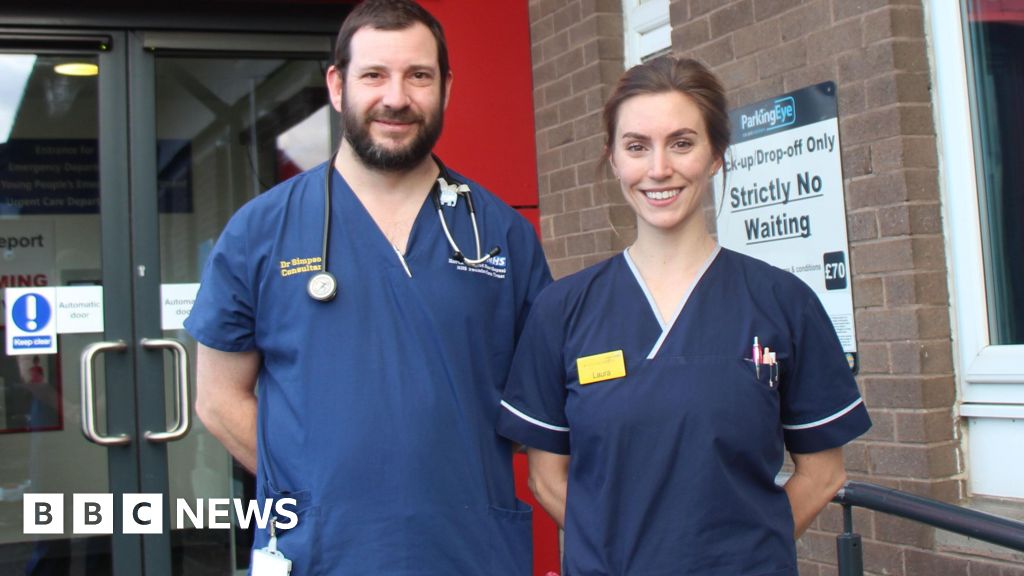
David R Chadwick, a consultant in infectious diseases involved in the programme’s launch, highlights the critical importance of early detection, stating, "If not treated early, some STIs can cause permanent and serious damage to one's health." Similarly, Dr. George Simpson, a consultant in emergency medicine at University Hospital of North Tees, lauds the initiative as a positive advancement for the community, noting that the "simple and confidential test" has allowed many individuals who were unaware of their infections to receive timely support and treatment.
This initiative not only underscores the significance of proactive healthcare but also exemplifies how systematic testing can lead to better health outcomes for communities. As this programme continues to thrive, it sets a standard for other hospitals and healthcare systems to prioritize similar screenings in their urgent care settings.

