Inspiring Breakthroughs: How Athletes with ADHD are Redefining Success
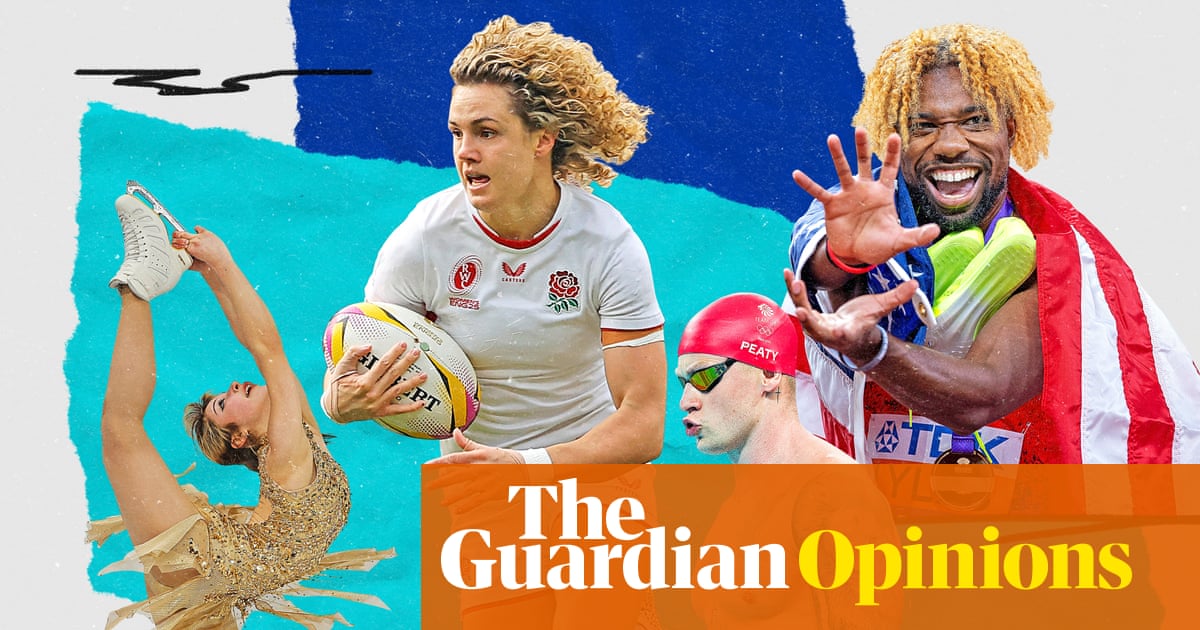
In a world where challenges abound, the stories of athletes who navigate ADHD with resilience and determination stand out as a testament to the human spirit. This week, notable figures in sports have shared their journeys, illustrating how their experiences with attention deficit hyperactivity disorder contribute to both their struggles and successes. The narratives not only inspire others facing similar challenges but also highlight the importance of understanding neurodiversity in athletic environments.
Triumphant Returns and Personal Triumphs
Adam Ramsay-Peaty, a three-time Olympic champion, made headlines with his remarkable return to competitive swimming after taking a mental health break in 2023. At the British Swimming Championships, he clinched the title in the 100m breaststroke with the second-best time in the world this year, followed by a victory in the 50m event. Ramsay-Peaty attributes his relentless drive to his ADHD diagnosis, proving that the condition can serve as a motivational force in the pursuit of excellence.
Similarly, rugby player Ellie Kildunne has openly discussed her ADHD following England’s triumphant Six Nations win. In her book "Game Changer," she reflects on how recognizing her neurodiversity has empowered her both on and off the field. Kildunne's journey of self-acceptance serves as a beacon of hope for others, demonstrating that embracing one's differences can lead to personal and professional growth.
The Power of Understanding and Support
As more elite athletes share their experiences with ADHD, researchers and coaches are prompted to examine the implications for both mental health and performance. Kirsty Brown, a researcher at the University of Birmingham, emphasizes the need for improved understanding and support for neurodivergent athletes. By acknowledging the unique strengths and challenges associated with ADHD, sports organizations can foster an environment where all athletes can thrive.
It is crucial to strike a balance between recognizing the strengths that neurodivergence can offer—such as hyperfocus and resilience—while also addressing the challenges athletes face. The goal is to create supportive frameworks that nurture talent rather than exacerbate mental health struggles.
Broader Implications for Neurodiversity in Sports
The stories of athletes like Ramsay-Peaty and Kildunne challenge the traditional narratives surrounding ADHD, inviting a broader discussion on neurodiversity in sports. With indications that ADHD may be overrepresented in elite athletics, it is imperative to further research and understand its role in developing successful athletes. Experts advocate for sports environments that are more inclusive and mindful of neurodiversity, emphasizing that every athlete's journey is unique.
In conclusion, the uplifting narratives of athletes overcoming the challenges of ADHD not only redefine success in sports but also serve as a call to action for better support systems. As the conversation around neurodiversity continues to evolve, it fosters hope for future athletes who can draw inspiration from these journeys to achieve their own extraordinary feats.

