Inspiring Rescue: Loggerhead Turtle's Journey to Recovery
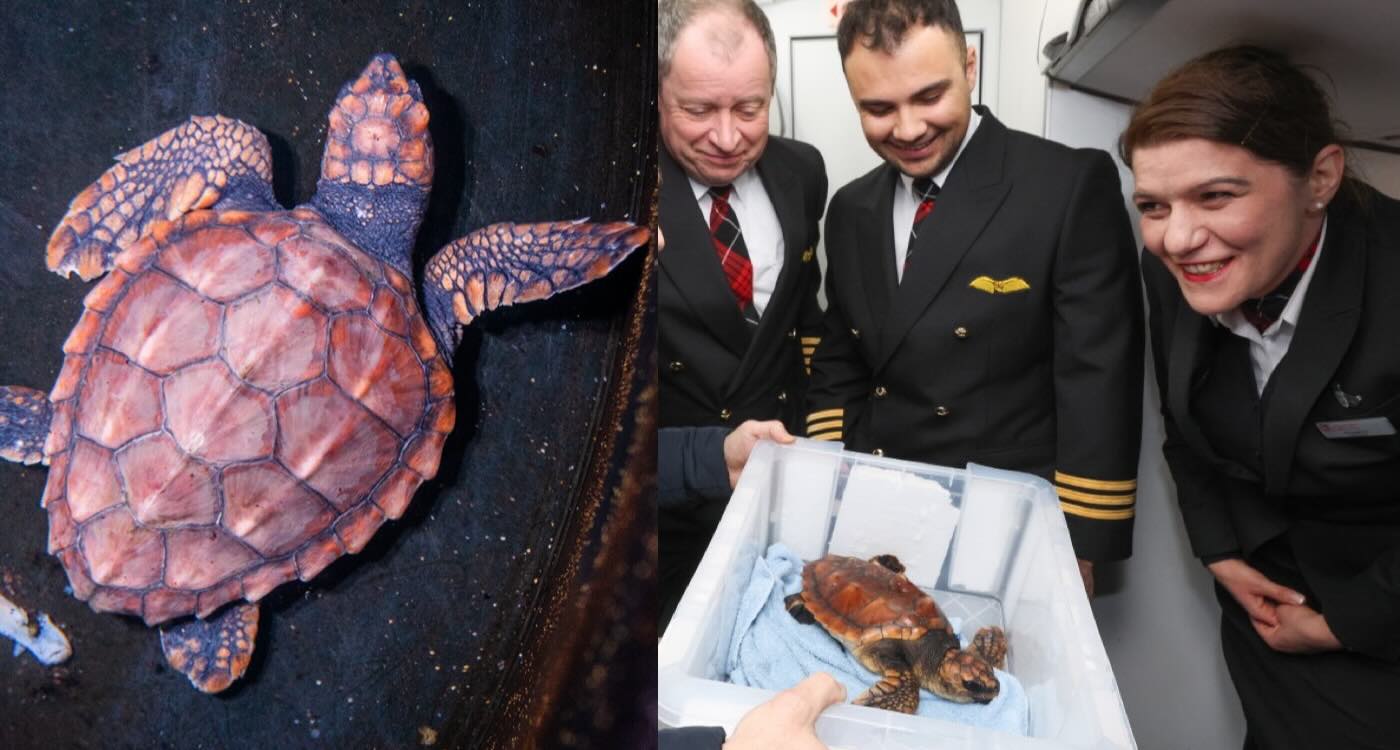
In an extraordinary turn of events following the recent Storm Goretti, a young loggerhead turtle named Crush has captured the hearts of animal lovers and conservationists alike. After being rescued off the coast of Jersey, this cold-stunned reptile is on a path to recovery thanks to dedicated veterinary care and the support of compassionate airline staff.
A Remarkable Rescue
On 9 January, Storm Goretti wreaked havoc across Europe, leading to a remarkable rescue when a beachcomber discovered Crush washed ashore. This juvenile loggerhead, displaced by the harsh storm, was found in a severely weakened condition. Thanks to the immediate attention from Veterinarian Peter Haworth at New Era Hospital, Crush was stabilized in a warming seawater tank, a generous provision from The Jersey Oyster Company.
A First Class Flight to Safety
Recognizing that a boat journey across the English Channel could stress the fragile turtle even further, Peter Haworth sought a more peaceful means of transport. Loganair answered the call, allowing Crush to travel as a First Class passenger on a scheduled flight to Southampton, England. This logistical collaboration ensured that the turtle could travel in comfort, highlighting a unique partnership between wildlife care and the aviation industry.
Looking Ahead: Hope for Crush
Upon arrival, Crush was transported 90 miles to the SeaLife Centre in Weymouth for long-term care. Initial scans at the hospital revealed a concerning amount of sand in her oesophagus, but veterinary teams have already commenced treatment to prevent any potential blockages. The SeaLife Centre is optimistic about Crush's chances and is planning to release her back into her natural habitat this spring, aligning with conservation efforts aimed at protecting endangered sea turtles.
This inspiring story doesn’t just end with Crush but serves as a beacon of hope, underscoring the collaborative efforts of veterinarians, airlines, and local communities in wildlife conservation. As we support these initiatives, we not only save individual lives but also contribute to the preservation of our planet’s delicate ecosystems.

