Iowa's Conservation Triumph: The Remarkable Comeback of the Topeka Shiner
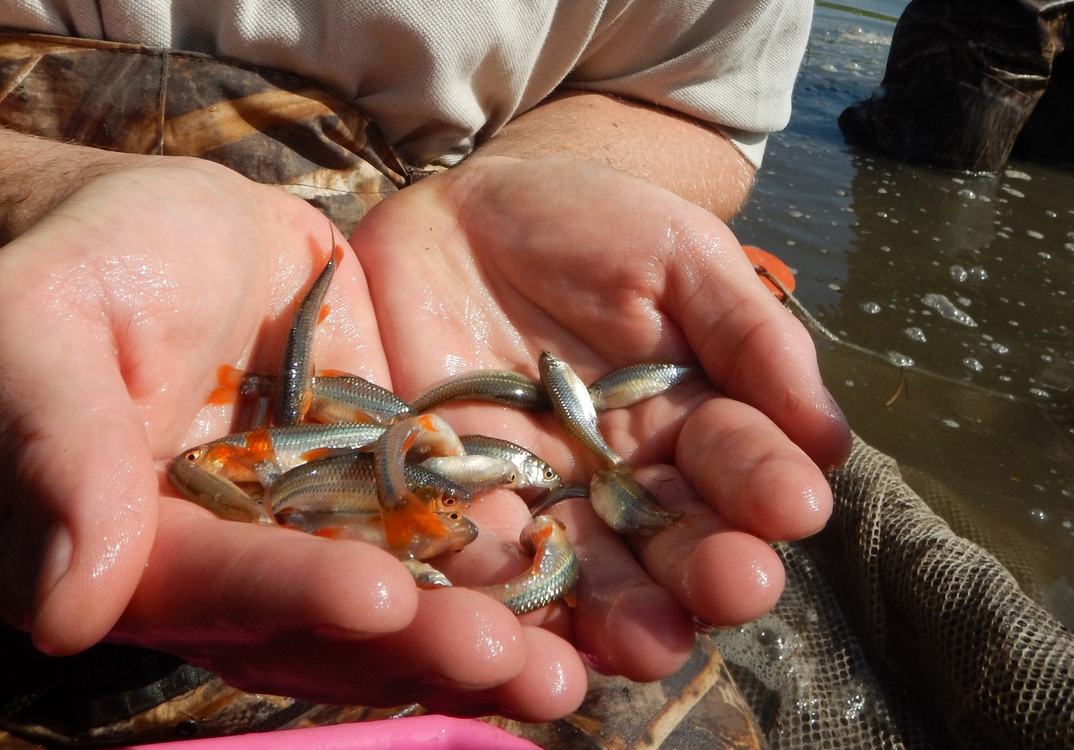
In a heartening tale of ecological restoration, Iowa has embarked on a significant conservation initiative inspired by the tiny Topeka shiner fish. Once jeopardized by habitat loss due to agricultural expansion, this federally-endangered species has driven the revival of hundreds of oxbow ponds, revitalizing both the landscape and the ecosystem within it.
A Historic Transformation
The narrative begins with the Topeka shiner, a small fish from the minnow family that flourished in Iowa's wetlands before agriculture transformed the landscape. Historically, oxbow lakes covered an impressive 11% of Iowa, providing essential habitats. However, agriculture diminished these vital ecosystems, leading to the shiner's drastic decline and its eventual listing as endangered in 1998.
A Community Effort for Restoration
In a committed response to conserve the Topeka shiner, the US Fish and Wildlife Service collaborated with the Iowa chapter of the Nature Conservancy in 2000 to restore these significant oxbow wetlands. Their efforts have not only steered conservation for this little fish but have also led to the revival of overall water quality in Iowa waterways, as agricultural pollutants are increasingly filtered out. Karen Wilke, from the Nature Conservancy, emphasizes the broader implications of this initiative by stating, “Now we’re not just doing it for the Topeka shiner, but we’re doing it for water quality as well.”
Diversity Flourishes with Restoration
The benefits of these restoration efforts have been profound. As the oxbow lakes have been rejuvenated, they have welcomed back not only the Topeka shiner but also a wealth of biodiversity, including 57 fish species, 81 bird species, mussels, turtles, amphibians, and even beavers and river otters thriving once again in the restored habitats. This resurgence illustrates the power of committed ecological restoration efforts and the intrinsic value of preserving local biodiversity.
Positive Outcomes and Future Prospects
Despite the financial pressures involved in such a large-scale project, the combined support of private, state, and federal funding has ensured that landowners are incentivized to participate without facing adverse consequences. As a result of these successful conservation efforts, Topeka shiners are now documented in approximately 60% of the over 200 restored oxbow lakes, pushing their status closer to recovery. A recent review has even recommended shifting its classification from “endangered” to “threatened,” marking a significant milestone in the story of wildlife conservation in America.
This ongoing journey is not merely about saving a single species; it's a reflection of a community's dedication to restoring and enhancing their natural environment. The Topeka shiner's resurgence underscores the notion that with systematic efforts and community involvement, nature can heal, and hope can flourish once more across Iowa’s landscapes.

