
Is Andy Burnham Winning Back the Hearts of Voters? Insights from a Focus Group
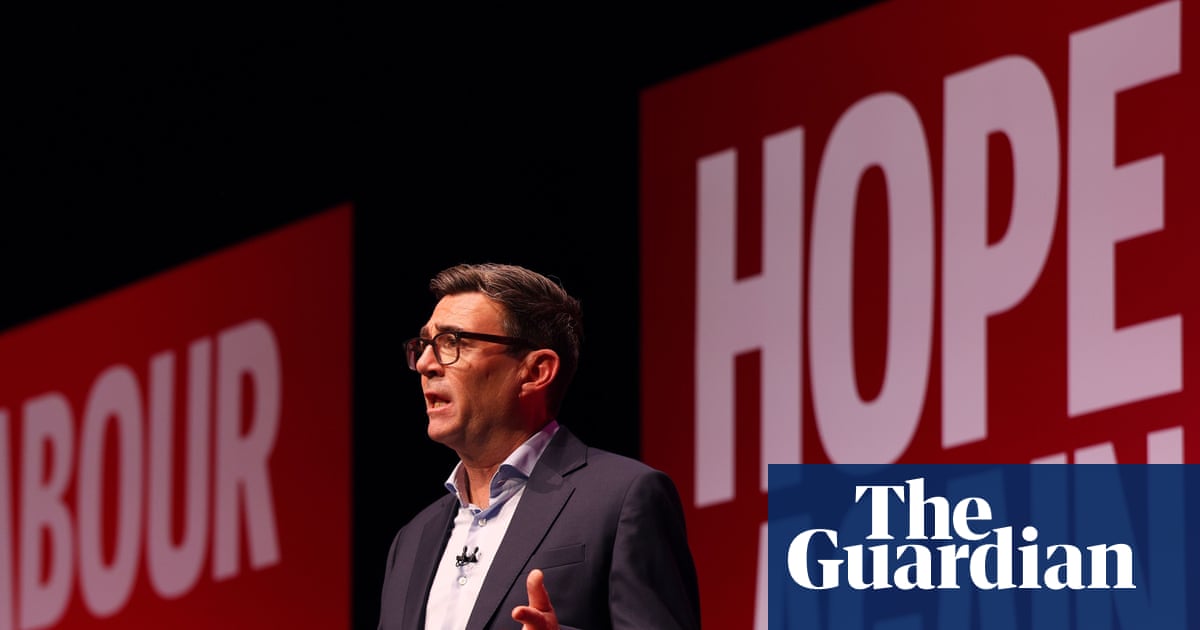
Recent focus group discussions reveal a surge of optimism among Labour voters regarding the party's new leader, Andy Burnham. Participants expressed a sense of relatability and connection with Burnham, indicating a reinvigoration of Labour's presence in British politics.
A Leader Who Resonates
In a gathering of Labour supporters, Andy Burnham was lauded for his approachability and human touch, qualities that many felt distinguished him from previous leaders. Neil, a geography teacher, articulated this sentiment well: "He actually feels like he's one of us," suggesting that Burnham's persona is resonating deeply in a time of political cynicism.
Other attendees echoed similar thoughts, praising Burnham's relatable background and positive demeanor, which many felt had been lacking in previous leadership. This degree of admiration, reminiscent of Boris Johnson's initial popularity during the Covid-vaccine rollout, signals a potential turning point for the Labour Party.
The Impact of Burnham's Vision
Attendees also engaged thoughtfully with Burnham's proposals, especially his plans concerning the UK’s relationship with the EU. While many expressed dissatisfaction with the current state of affairs post-Brexit, there was an overall openness to exploring if rejoining the EU could be beneficial, provided that Britain negotiated favorable terms.
The focus on social care reform was another highlight of the discussions, with participants acknowledging the need for substantial change. This reflects a growing awareness of the importance of social services, as exemplified by Tariq from the pharmaceutical industry, who appreciated the necessity of making "hard decisions" for the greater good.
Conclusions and Implications
While many in the focus group were positively inclined towards Burnham's leadership and vision, they also recognized significant challenges ahead. There is a clear understanding that feeling positive about a leader does not automatically translate to unwavering support for all policies. The discourse reflects a community that is cautiously optimistic yet well aware of the complexities involved in political reform.
This nuanced feedback is crucial for Burnham as he navigates the delicate balance of winning public support while addressing pressing policy issues. The enthusiasm from Labour's base could signify a notable shift in the party's fortunes, but translating that energy into concrete electoral victories will depend on how well Burnham can manage expectations and deliver on his promises.




