JB Pritzker's Strategic Maneuver: A Major Win for Illinois Politics
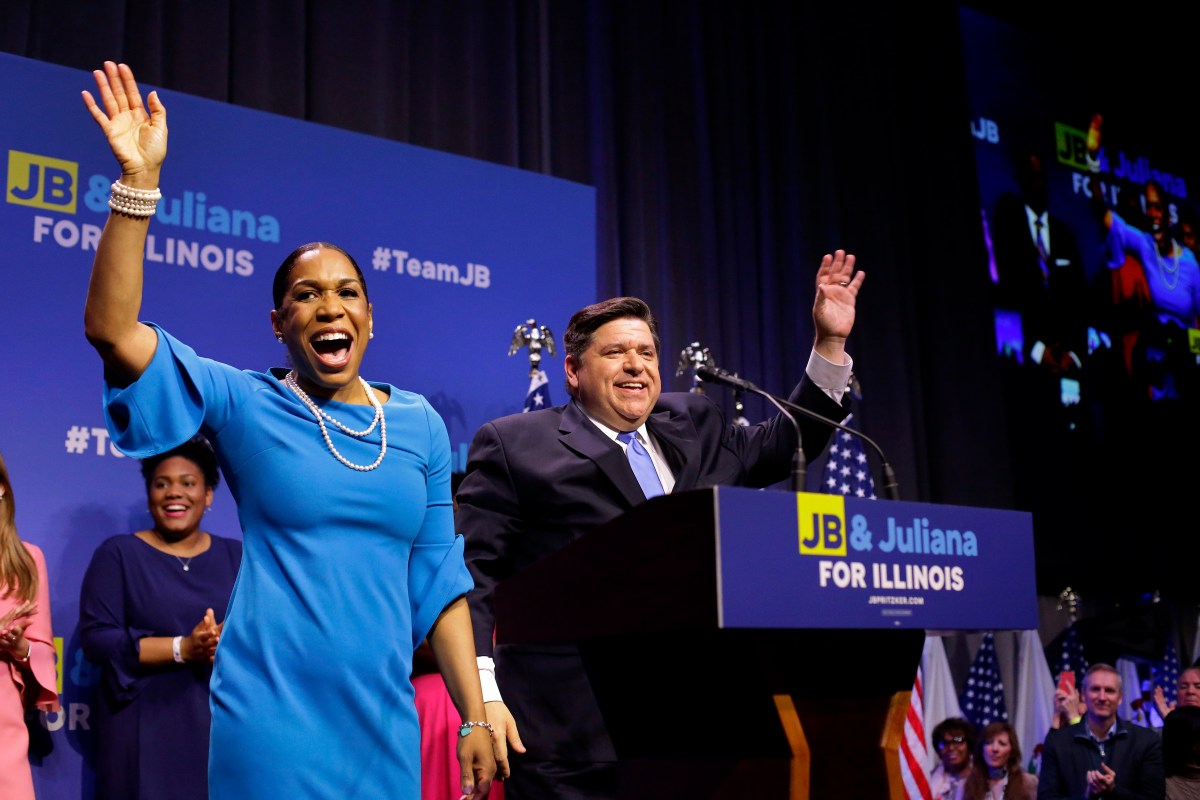
In a significant turn of events in the Illinois political landscape, Governor JB Pritzker's endorsement has led to a pivotal victory for Lieutenant Governor Juliana Stratton in the Democratic primary for Senate. As Pritzker aims for a historic third term, this win not only solidifies his influence within a divided Democratic Party but also signals a collective endorsement of his governance style by the voters.
The Power of Political Alliances
Stratton's emergence as the Democratic nominee to replace retiring Senator Dick Durbin showcases the strength of Pritzker's political infrastructure and his ability to mobilize support. Pritzker's early backing of Stratton and his strategic financial investments into aligned super PACs have clearly paid off, reinforcing the notion that his leadership can yield fruitful results, even amid internal party divisions.
Connecting Policy to Community Impact
Throughout her campaign, Stratton emphasized tangible successes achieved under Pritzker’s administration, including the raising of the minimum wage and expansion of health care protections. By framing her approach around concrete achievements that resonate with voters' everyday lives, she effectively distinguished herself from her opponents, advocating for a model of governance that focuses on immediate public needs.
Looking Ahead: Strengthening Ideological Alignment
Stratton's victory not only reflects her personal campaign success but also represents an opportunity for Pritzker to have a steadfast ally in Washington. If she wins the general election, she would become Illinois' second Black woman Senator, further diversifying representation and aligning closely with Pritzker's progressive agenda, particularly regarding immigration rights and protections.
As the Democratic Party navigates its internal challenges, Stratton’s win positions Pritzker advantageously as he prepares for the upcoming general election. Her candidacy symbolizes hope for continued progressive policies in Illinois, reinforcing the message that electing leaders who prioritize community needs can resonate with voters even amidst broader partisan strife.

