Kpop Demon Hunters: A Phenomenal Rise to Global Stardom
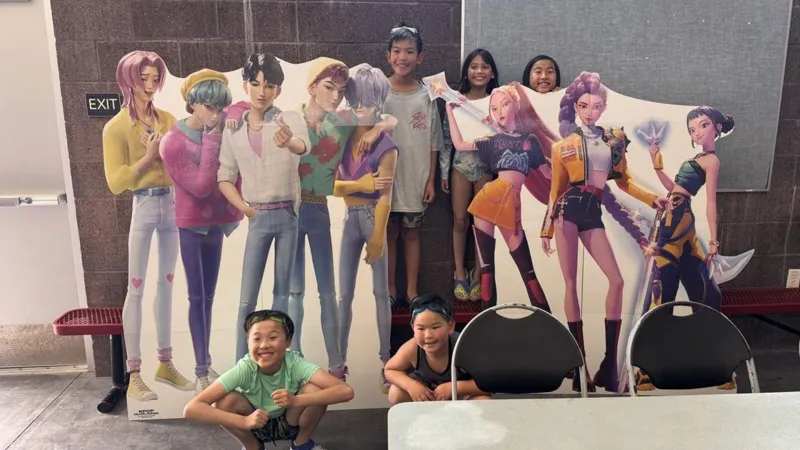
In a stunning turn of events, the animated film Kpop Demon Hunters has won best animated film at the Oscars, marking a significant milestone in the world of animation and K-pop culture. Since its release last summer, the film has garnered a series of prestigious awards, including a Golden Globe for best animated feature and a Grammy for best original song, making it a cultural phenomenon that has captivated audiences of all ages.
The Impact on Young Fans
At Oona Herman's elementary school in San Francisco, merchandise celebrating the film has become highly sought after, with bright-haired character stickers trading hands among students like a new form of currency. The film's infectious charm is evident at themed birthday parties, where children enthusiastically engage with the film's merchandise and enjoy its catchy soundtrack. Oona's excitement resonates with audiences everywhere, highlighting how Kpop Demon Hunters has successfully bridged generational gaps in fandom.
A Deeply Personal Connection
The film does more than entertain; it strikes a personal chord with many viewers. Christine Kao, Oona's mother, reflects on the emotional resonance of its themes, particularly those surrounding identity and family expectations. The protagonist Rumi’s struggles mirror the experiences of many Asian Americans, highlighting a need for representation in storytelling that audiences didn’t have when they were children.
A New Era of Global K-pop Influence
The success of Kpop Demon Hunters comes at a time when the global appetite for Korean pop culture is rapidly expanding. The film showcases a unique blend of K-pop and Western pop music, crafted by a team of talented songwriters and producers. This musical fusion not only captivates audiences but exemplifies how K-pop continues to break cultural barriers, as acknowledged by industry experts.
Pride and Cultural Recognition
The film's achievements have sparked immense pride in South Korea, exemplifying a new wave of cultural export that goes beyond music to encompass a broader K-pop phenomenon. The emotional acceptance speech by Ejae during the Oscars represents a shift in how K-pop is perceived worldwide, transforming from a niche interest into a celebrated cultural movement that embraces diversity and authenticity.
As we witness the enduring appeal of Kpop Demon Hunters, it is clear that this film is not merely a success in animation but a substantial cultural landmark in the ever-evolving landscape of global entertainment. This celebration of K-pop culture holds the promise of a bright future for diverse storytelling that resonates with audiences across generational and cultural lines.

