Kpop Demon Hunters: The Animated Film Taking the World by Storm
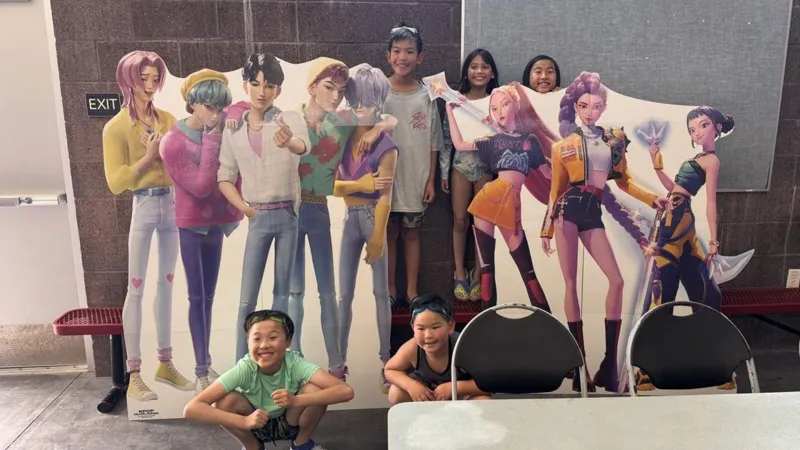
The animated film Kpop Demon Hunters continues to make waves across the globe, recently winning the prestigious Oscar for Best Animated Film. This accolade is just the latest in a series of impressive awards, including the Golden Globe for Best Animated Feature and the Grammy for Best Original Song, recognizing the film's epic journey since its Netflix debut last summer.
A Cultural Phenomenon Among Children
The film, which revolves around a K-pop girl group using their talents to combat demons, has become a cultural sensation, especially among young audiences. In San Francisco, for instance, Oona Herman and her classmates are trading vibrant character stickers from the movie, showcasing its influence in schools. Kpop Demon Hunters-themed birthday parties have become the norm, complete with merchandise goodie bags and jubilant sing-alongs to its hit soundtrack. Oona herself expressed her admiration for the film's characters and energetic dance moves, capturing the enchanting essence of the movie.
Connecting Generations
But Kpop Demon Hunters isn't just resonating with children; it has also struck a chord with parents. Oona's mother, Christine Kao, shared her emotional experience while watching the film, often moved to tears. This generational connection is enhanced by the film's themes of self-acceptance, resonating strongly with many viewers who see their own struggles reflected in the characters. The representation of an Asian American protagonist navigating family expectations has been particularly impactful for those who lacked similar representation in their childhood.
The Soundtrack's Universal Appeal
The film's soundtrack has proven to be infectious, drawing attention not just from K-pop enthusiasts but also from global audiences. With contributions from both K-pop and Western producers, the music seamlessly blends the two genres, making it accessible and enjoyable for a wider audience. Songs like "What It Sounds Like" not only propel the movie's narrative but also explore deeper themes of identity and self-discovery. This approach exemplifies the progressive evolution of K-pop's reach in the global music landscape.
A New Era for Korean Entertainment
Kpop Demon Hunters arrived at a pivotal moment in which the global appetite for Korean pop culture is surging. The success of this film signals more than just a win for animation; it represents a cultural shift where Korean artistic endeavors are celebrated on international stages. The film’s creators and performers are contributing to what many consider a revitalized "Korean Wave," reinforcing Korea's position as a cultural powerhouse. As Ejae, one of the film's singing stars, expressed passionately during the Oscars, the pride in K-pop has never been stronger, and the spotlight has finally turned towards Korean creators.
In conclusion, the acclaim surrounding Kpop Demon Hunters is reshaping perceptions of Korean entertainment, demonstrating that it is not just about K-pop but an entire spectrum of creative expression from Korea. This animated feature serves as a testament to the power of storytelling in music and film, captivating hearts worldwide while fostering a sense of pride among its Korean roots.

