Light Rail System Sees Positive Changes Amid Challenges
The Twin Cities' light rail system is showing signs of improvement, bringing hope to riders who have hesitated to return since the pandemic. After enduring a significant decline in reputation due to passenger behavior, meaningful investments by Metro Transit are making a notable difference in the safety and overall experience of commuting.
Increased Presence Enhances Safety
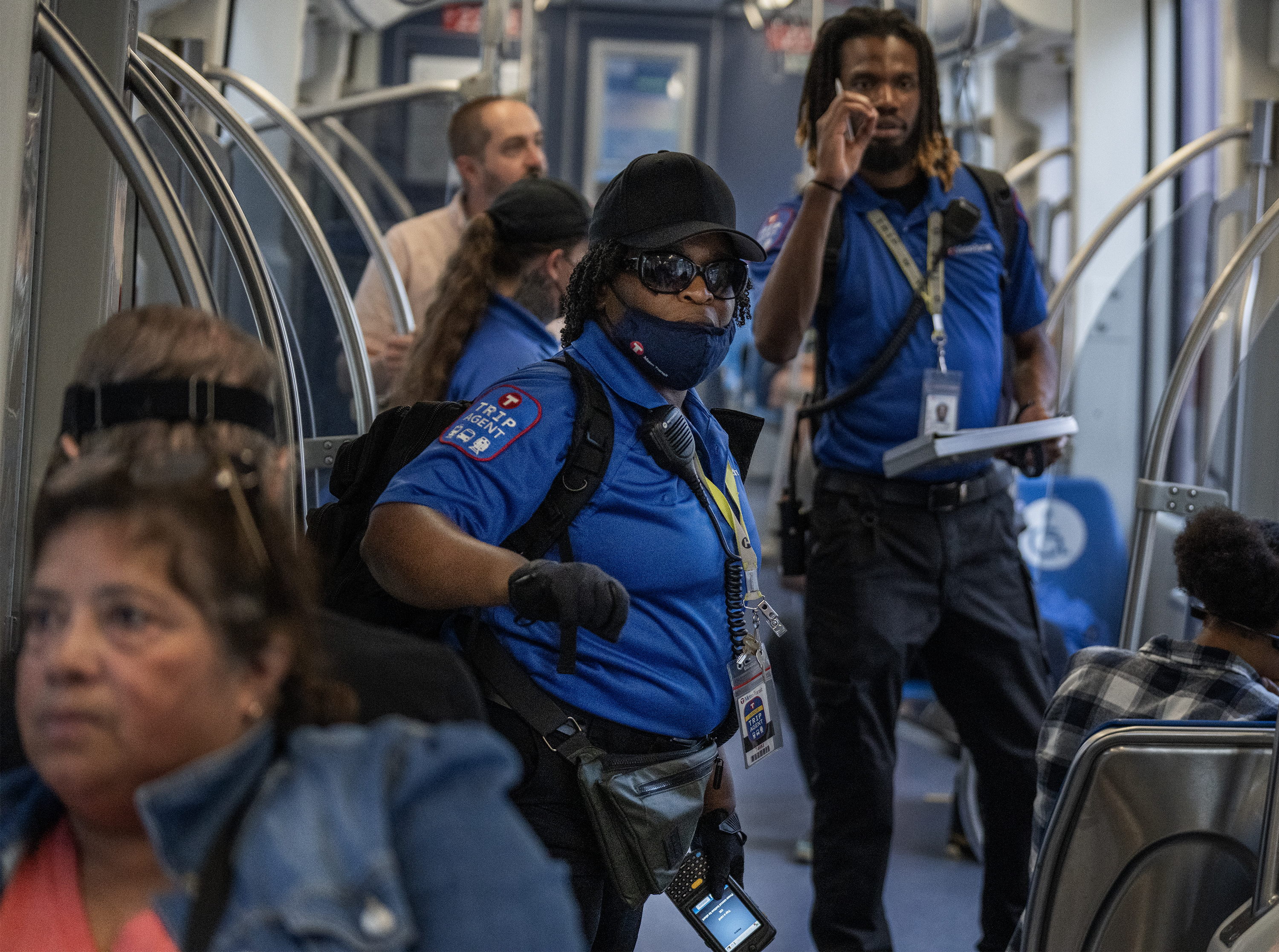
Metro Transit has responded to concerns about safety on its trains by introducing an increased presence of enforcement. The addition of 140 Transit Rider Investment Program (TRIP) agents over the last two years has been a significant step. These agents ensure fare compliance and monitor passenger behavior, which is resulting in a greater feeling of safety among riders.
Positive Statistics Reflecting Improvement
Recent reports show an 8% increase in the share of riders feeling safe on the trains, now reaching 49%. While this indicates progress, it underscores the work still needed to restore full confidence in the system. Another encouraging statistic is the rise in smoking citations, which have grown over 1,700 in 2025, demonstrating stricter enforcement against undesirable behavior.
Investment Fuels Progress
The improvements are also attributed to financial backing from a new 0.75% sales tax designated for transit enhancements. This funding allows for the expansion of the workforce dedicated to maintenance and security on the light rail, aiming to improve the infrastructure and its appeal to the public. With additional factors like a dedicated homeless action team and mental health crisis services being incorporated, the outlook for Metro Transit is becoming more optimistic.
A Broader Lesson for Urban Transit
The efforts made by Metro Transit could serve as a model for other cities grappling with similar issues in their transit systems. By investing in personnel and targeted programs, cities can take significant steps toward improving the commuter experience and encouraging the return of ridership.
As light rail ridership struggles to rebound post-pandemic, these initiatives represent a vital shift that could reignite interest and bolster confidence among commuters. Amidst the backdrop of negative news regarding urban environments, the Twin Cities’ commitment to enhancing public transportation deserves acknowledgment and encouragement.

