MDU Construction Rises Amidst Housing Challenges: A Bright Spot in the Industry
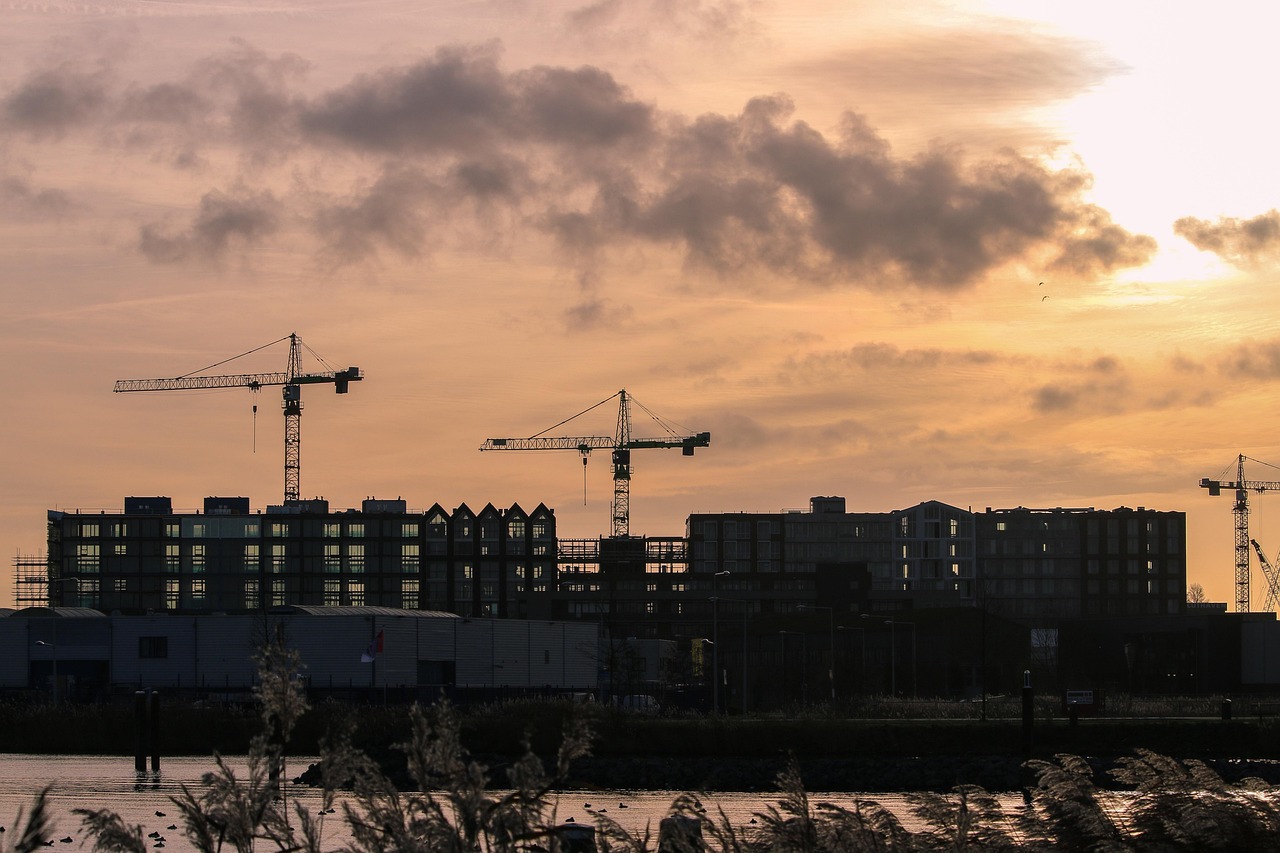
The housing industry faced notable challenges in 2025, with a significant decline in single-family home construction. However, a silver lining has emerged as the construction of multiple-dwelling unit (MDU) homes surged nearly 10 percent, demonstrating resilience in a tumultuous market.
Positive Growth in MDU Construction
According to recent statistics, the construction of MDUs rose from 489,000 in 2024 to an estimated 536,000 in 2025. This sharp increase indicates a strategic shift towards more cost-effective living spaces, which many broadband providers are eager to service. The rise in MDU construction represents over 38 percent of all dwelling units built in 2025, suggesting that developers are adapting to changing market demands.
Regional Variations Highlight Resilience
Despite the overall decline in new single-family homes, different regions exhibited varying growth patterns. The South showed signs of recovery from previous losses, while the Northeast and West regions also saw modest gains. This regional resilience speaks to the adaptability of the housing market and the ongoing demand for more affordable housing options.
Revolutionizing Broadband Access
Importantly, the surge in MDU construction aligns with broader goals in the broadband sector. The cost-effectiveness of providing broadband services to MDUs—where multiple units can benefit from a single network installation—enhances service availability and reduces costs for providers. This is particularly relevant as the Broadband Equity, Access, and Deployment (BEAD) program aims to expand high-speed internet access across the nation.
In conclusion, while the housing market contends with obstacles, the increase in MDU construction signifies a positive shift towards meeting housing demands sustainably and efficiently. This trend not only addresses the immediate needs of residents but also aligns with the long-term strategy to improve broadband connectivity, which is crucial for modern living.

