New Regulations on Edible Oil Packaging Promise Transparency and Better Choices for Consumers
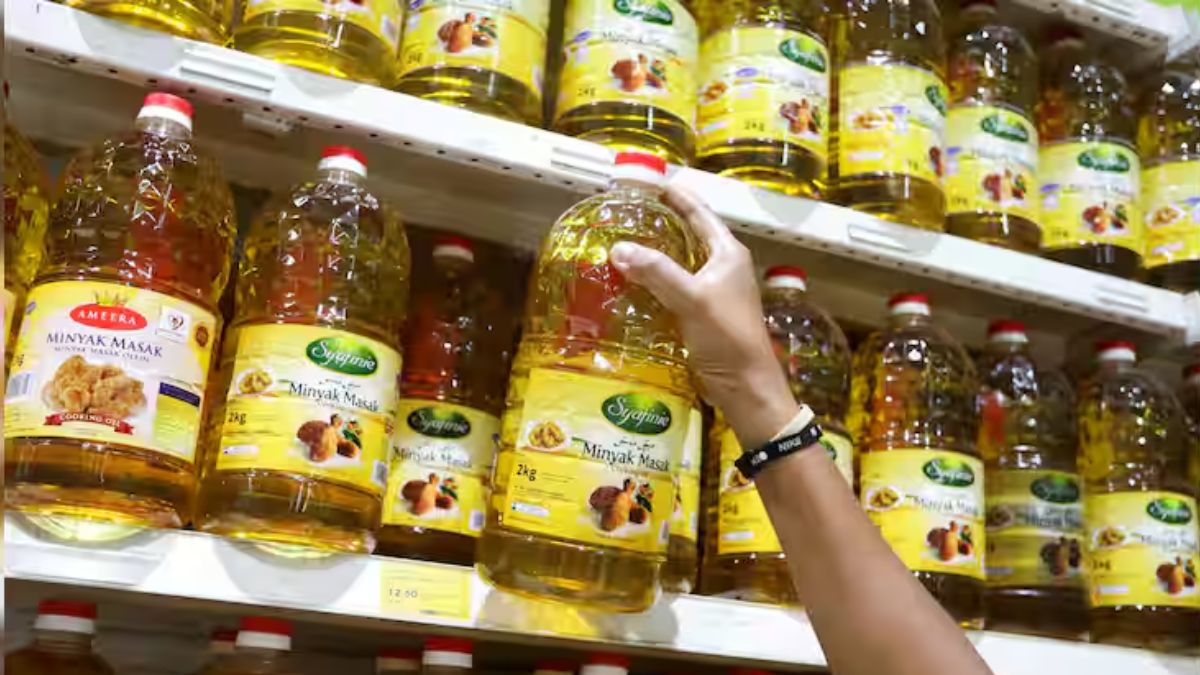
The recent decision by the Department of Consumer Affairs to prescribe uniform pack sizes for edible oils signals a significant step towards promoting consumer rights and enhancing market transparency. The initiative aims to simplify price comparisons for consumers, addressing a long-standing issue caused by the proliferation of varied package sizes across brands.
Why Standardization Matters
In an announcement made on Saturday, the Department highlighted that consumers often struggle to discern value for money due to inconsistent packaging. By implementing standard pack sizes, consumers will be better equipped to assess prices more effectively, leading to more informed purchasing decisions.
This reform has been developed following extensive consultations with industry stakeholders, representing approximately 90% of the edible oil sector in the country. The Ministry of Consumer Affairs, Food and Public Distribution has articulated that the recent amendments will ensure straightforward comparisons across different brands, thereby enhancing consumer confidence in their purchases.
Details on New Regulations
The standard pack sizes will apply to a range of edible oils, including popular varieties such as palm oil, soybean oil, and sunflower oil, among others. Notably, the permitted pack sizes will now include 200 ml/g, 500 ml/g, and up to 20 litres, offering considerable flexibility while maintaining uniformity.
Additionally, packages will be required to display both the volume and the equivalent weight, which aims to further improve pricing transparency. This new measure will cover both domestically produced and imported edible oils, with a three-month transition period allotted for manufacturers and distributors to adjust to the new requirements.
Looking Ahead
The Department's commitment to protecting consumer interests through such reforms exemplifies a progressive approach towards market regulation. The initiative not only benefits consumers but also encourages businesses to maintain competitive pricing and improve product labeling practices.
In conclusion, these changes herald a new era of transparency and consumer empowerment in the edible oils market, fostering a more informed customer base and potentially driving better market practices moving forward.

