One Nation Celebrates Historic Victory in Australia's Political Landscape
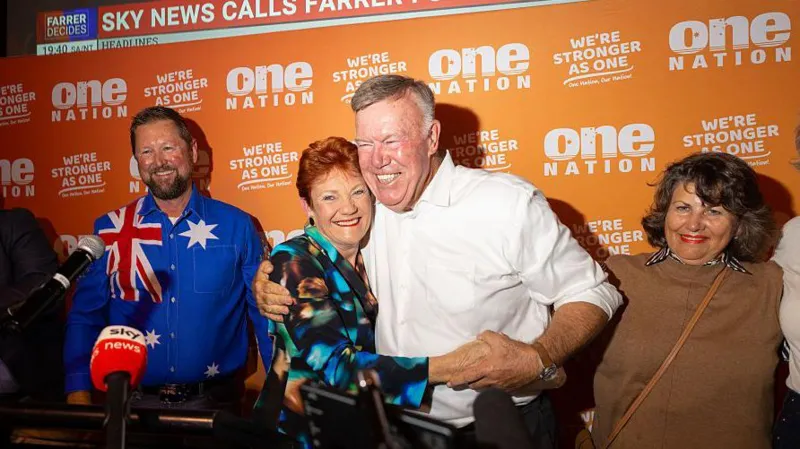
In a significant development for Australian politics, the One Nation party has secured its first-ever lower-house seat in the Farrer constituency of New South Wales. This landmark victory for candidate David Farley, who garnered over 57% of the vote, is being hailed as a pivotal moment for the right-wing populist party, marking a shift in voter sentiment away from traditional political structures.
A New Chapter for One Nation
The election was triggered by the resignation of Sussan Ley, who left her position as leader of the opposition Liberal Party. This resulted in a contest that has sent ripples through the political landscape, signaling that some voters are increasingly dissatisfied with established parties. While it does not directly impact the Labor government's sizeable majority, it reflects a growing trend of support for alternative political options.
Emboldened Leadership
Reacting to the results, One Nation leader Pauline Hanson expressed optimism, declaring this victory as not merely for Farrer, but for all of Australia. Her remarks suggest that the party is poised to expand its influence, stating, “We’re coming after those other seats,” indicating an ambitious agenda moving forward. David Farley, with his background in agribusiness, emphasized in his speech that One Nation has merely reached the "end of its beginning," suggesting a proactive approach to its future endeavors.
The Shift in Political Dynamics
This triumph also stands as a testament to the shifting dynamics within Australian politics. With a preferential voting system, One Nation’s success exemplifies a growing desire among voters for representation that aligns more closely with their views. Farley himself noted a disillusionment with major parties, highlighting a disconnect that could motivate further electoral changes in the future.
Looking Ahead
The implications of this victory go beyond simply adding another seat to the One Nation party; it opens up a discussion about the future of political engagement in Australia. As traditional parties like the Liberal and National suffer from internal challenges, the emergence of parties like One Nation represents a critical juncture in Australian democracy, where fresh voices may be seeking to redefine the narrative.

