
Poland's Political Shift: An Unexpected Opportunity for Change
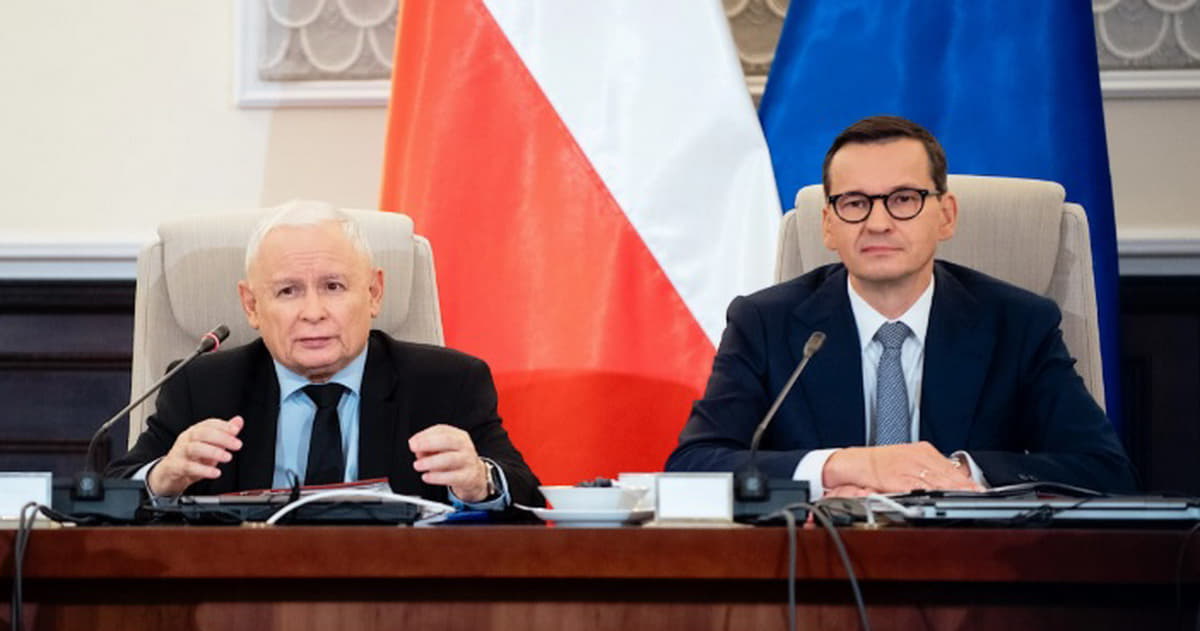
On July 24, a significant event unfolded in Poland's political landscape as Jarosław Kaczyński, the leader of the Law and Justice party (PiS), announced the removal of 30 members from the party. This development marks a pivotal moment for Poland's largest right-wing party, which has been under the tight grip of its co-founders for nearly two decades.
A New Political Reality
The internal crisis within PiS has resulted in a split, emerging between traditionalist factions and those aligned with former Prime Minister Mateusz Morawiecki. This division could potentially reshape Poland's political dynamics, offering a glimpse of more diverse representation in the future. Notably, Morawiecki's recent initiative, "Development Plus," aims to promote economic growth, suggesting a future political platform that resonates more with contemporary societal needs.
An Emerging Hope for Ukrainians
Interestingly, the split in PiS might lead to favorable changes in Poland's relations with Ukraine. While Morawiecki's leadership is not typically characterized by strong support for Ukraine, the departure of more radical anti-Ukrainian figures from the party may provide an opening for a more moderate approach. By potentially focusing on coalition-building with other political entities, both Morawiecki and his followers could advocate for policies that align more closely with Ukraine's aspirations for development and support.
Public Sentiment and Political Polls
Notably, recent polling data indicates that Morawiecki's faction could receive a substantial 6.9% of the vote if a separate party were to form, surpassing Poland's electoral threshold. This statistic not only reflects public sentiment but signals an opportunity for a political shift that could encourage diverse voices in the legislative process.
As Kaczyński's influence wanes, it remains imperative to observe how these internal dynamics will play out in the coming months. The ongoing political fragmentation could ultimately lead to a more nuanced and responsive political environment in Poland, one that is adaptable to the needs of its citizens and its international obligations.




