Pope Leo XIV's Encyclical Inspires Hope for Humanity Amid AI Advancements
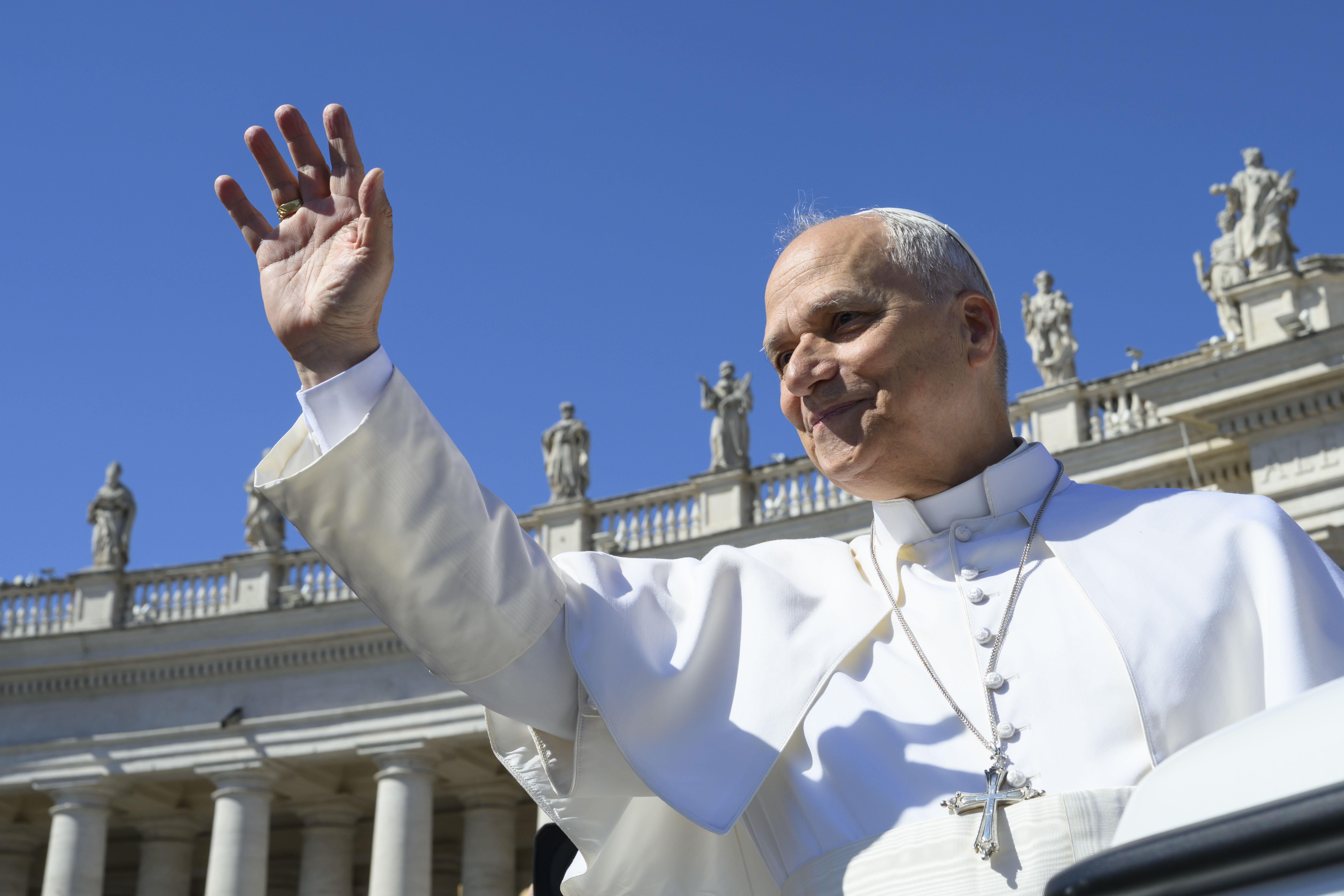
The recent encyclical from Pope Leo XIV, titled Magnifica Humanitas, has sparked a wave of enthusiasm among Catholic bishops across the United States. As the world grapples with the rapid development of artificial intelligence, the pope’s emphasis on human dignity and the common good resonates deeply in the face of these new challenges.
A Call for Moral Reflection
Archbishop Paul S. Coakley, president of the U.S. Conference of Catholic Bishops, highlighted the significance of the encyclical, particularly in its relation to the 135th anniversary of Pope Leo XIII’s Rerum Novarum. Coakley pointed out that the encyclical provides a moral compass for navigating the complexities introduced by artificial intelligence. The message encourages the application of the Gospel and Church tradition to foster technology that supports humanity rather than serving the interests of a select few.
Guiding Principles for AI Development
Bishops across the nation have echoed similar sentiments, emphasizing the necessity of establishing a moral and ethical framework to guide AI's implementation in various sectors. Bishop Robert Barron of Winona-Rochester expressed concerns regarding the prioritization of power over truth in today’s digital landscape, urging that technology should enhance human connections instead of replacing them.
Positive Outlook on Technology
Furthermore, Archbishop Nelson J. Pérez remarked on the potential of AI to revolutionize sectors such as healthcare and education while cautioning against the ethical dilemmas it may pose. He noted that the sanctity of human life must remain at the forefront as artificial intelligence becomes increasingly integrated into daily life.
Inviting Public Engagement
In a collective call to action, Bishop Michael F. Burbidge encouraged individuals to engage with the encyclical fully and reflect on its teachings in light of ongoing technological changes. This openness to dialogue signifies a hopeful stance as the Church seeks to lead discussions on the responsible use of technology.
The encyclical Magnifica Humanitas serves as a beacon of hope, urging society not only to embrace technological advancements but to do so with a commitment to uphold human dignity and promote the common good. As these conversations unfold, the collaborative efforts of bishops and faithful alike promise a future where technology and humanity coexist harmoniously.

