Positive Changes Ahead: How We Can Safely Feed Our Garden Birds
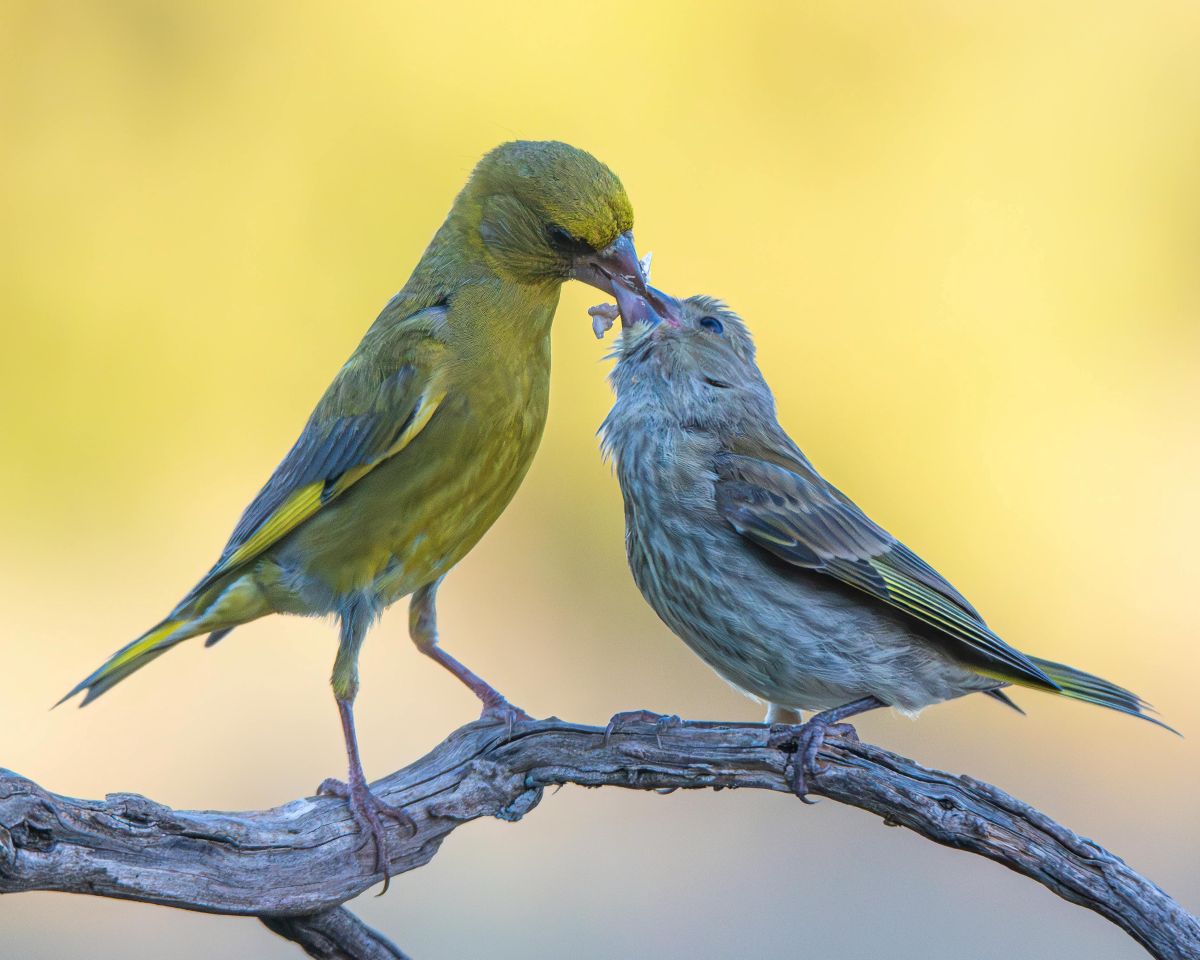
The world of garden wildlife has received a refreshing update as the Big Garden Birdwatch continues to gather momentum, engaging over 650,000 citizen scientists in the UK this year. This remarkable participation has led to the observation of more than nine million birds across 80 species, showcasing the spirit of community and environmental awareness in action.
Promoting Bird Health through Awareness
Despite the concerning trends regarding species like the greenfinch, now on the endangered red list, there is a call to action that encourages positive change. The RSPB has proposed new, science-based guidelines that aim to enhance the safety of feeding garden birds while promoting healthier practices. These recommendations are not just about restricting feeder use but promoting a more comprehensive approach to bird care.
Gardening for Wildlife
One of the most uplifting aspects of the new guidance is the promotion of wildlife-friendly gardening. Gardeners are encouraged to plant a variety of flowers, berry bushes, and fruit trees. This not only provides birds with a natural food source but also contributes to the broader ecosystem by attracting beneficial insects. The emphasis on avoiding pesticides further supports a safe environment for birds and other wildlife.
A Collective Effort for Nature
“Feeding birds is something millions of us love and value,” says RSPB’s chief executive, Beccy Speight. Her message is clear: we can still enjoy feeding birds while making responsible choices that ensure their long-term health. The call for simple seasonal changes in feeding practices underscores a collective commitment to problem-solving for the benefit of our feathered friends.
By embracing these changes, we not only safeguard the health of vulnerable species but actively contribute to the conservation of our natural environment. Together, through small individual actions, we can create a significant impact, reinforcing the enduring relationship between nature and community involvement.

