
Positive Progress in the Fight Against Coypu in Lombardy's Serio Park
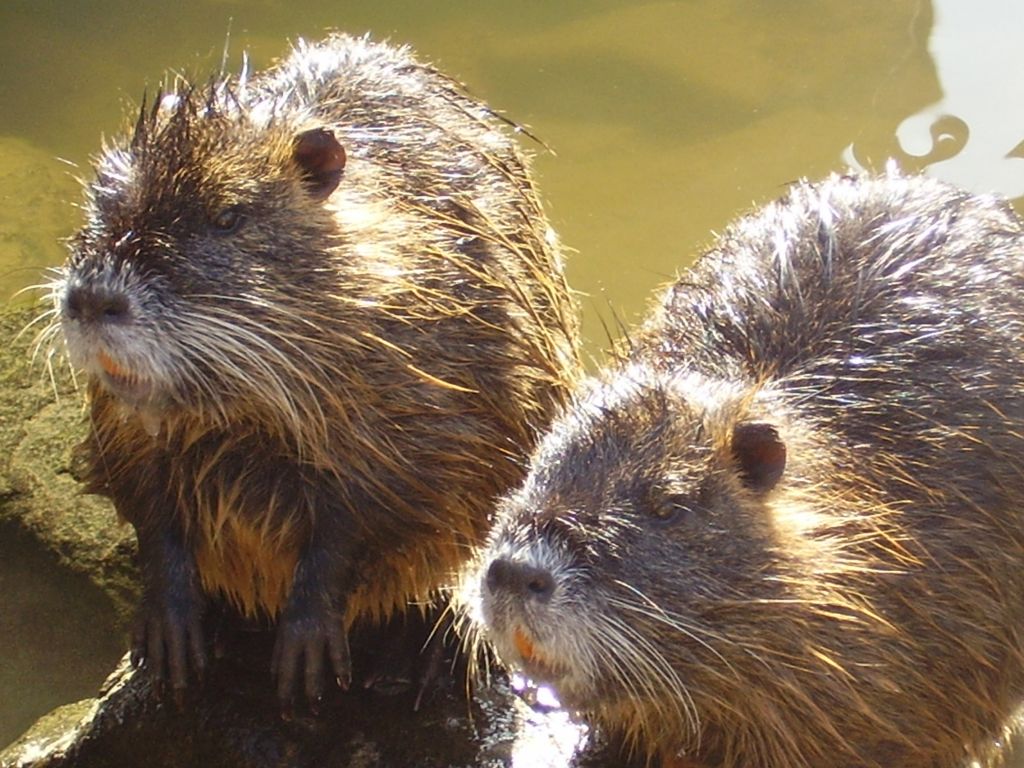
The serene landscape of Serio Park, a green area uniting 26 municipalities in the Cremona and Bergamo regions, is experiencing a notable shift in its ecological balance. Recent reports indicate a promising decline in the population of coypus, a rodent species that has long been a thorn in the side of local farmers and the natural environment.
Community Efforts Yield Fruitful Results
Basilio Monaci, the head of the Lombardy park authority, highlighted the positive impact of targeted eradication campaigns involving local hunters. These efforts have led to a significant reduction in coypu colonies as observed by volunteer guards. Monaci conveyed cautious optimism, stating, “Evidently, according to the reports of our volunteer guards, the colonies are less numerous.” This progress is not only hopeful for the organic health of the park but also for the local agricultural community that has suffered from the damage caused by these invasive rodents.
The Role of Predators and Environmental Factors
Interestingly, the decline in coypus has also been attributed to natural predators like wolves that inhabit the area. This development signifies a shift towards a more balanced ecosystem where natural checks and balances may play a role in controlling invasive species. The focus now is on maintaining this favorable outcome through continued vigilance and monitoring during the upcoming seasons.
A Glimmer of Hope for Local Farmers
The persistence of coypus and their destructive feeding habits have led to recurring challenges for farmers in the region. However, the current decline offers a beacon of hope that this pattern may finally be changing, allowing farmers to regain their footing and reduce the economic losses associated with these animals. With continued community involvement and ecological awareness, the Serio Park area may witness rejuvenated landscapes and more sustainable agricultural practices.
As the situation develops, the community remains hopeful that recent efforts will pave the way for further encouraging statistics, promoting both ecological restoration and agricultural viability in the region. The next few months will be crucial in assessing the long-term effects of these initiatives.




