Rathlin Island Achieves Historic Ferret-Free Status: A Model for Conservation Worldwide
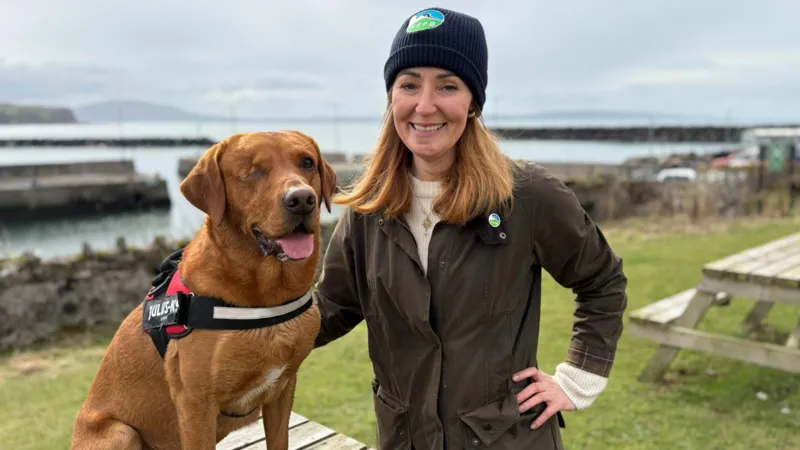
In an impressive feat of environmental conservation, Rathlin Island has successfully eradicated non-native ferrets, marking a significant milestone in the protection of its vital seabird population. The initiative, part of a five-year project dubbed 'Life Raft', utilized over 400 traps and specialized canine support to reclaim the island's ecological balance.
The Role of Woody, the Conservation Dog
Central to this achievement was Woody, a red fox labrador trained to detect ferrets. His extraordinary ability to sniff out these invasive predators played a crucial role in the project's success. With no ferrets sighted since October 2023, RSPB NI's area manager Claire Barnett expressed cautious optimism for the upcoming breeding season, suggesting that seabird numbers might steadily recover as a result of this focused conservation effort.
Community and Environmental Benefits
The removal of ferrets is not just a victory for wildlife; it also brings numerous benefits to Rathlin's community. Longtime resident Tom McDonnell highlighted that the community can once again raise chickens without fear of predation, enhancing their self-sufficiency. He also anticipates the potential growth in other local wildlife, particularly the hare population, which had been significantly impacted by the ferrets.
A Hopeful Future for Seabirds
Breeding seabirds across the UK and Ireland have faced a worrying decline, but the eradication of ferrets presents a hopeful turn of events for Rathlin's seabird colonies. Erin McKeown, RSPB NI's Senior Seabird and Marine Policy Officer, reinforced the importance of providing safe nesting spots for these birds, particularly as they face other global challenges such as climate change and pollution. The collaborative effort on Rathlin serves as a testament to what can be accomplished through community involvement and dedication to conservation.
Looking Ahead
With ambitious goals set for the future, Rathlin Island aims for complete rat-free status by 2027, further solidifying its ecological restoration efforts. The partnership between local residents and conservation agencies stands as an inspiring example for other regions struggling with similar invasive species issues. At an international conference in New Zealand, Rathlin's achievement was lauded as a blueprint for global conservation strategies.
As the community celebrates this triumph, the invaluable lessons learned here will undoubtedly inform conservation practices around the world, emphasizing the importance of collaboration between local communities and environmental organizations. Rathlin Island's conservation success story is a shining beacon of hope for both wildlife and local communities alike.

