Rathlin Island's Triumph: Eradicating Invasive Species to Revive Seabird Populations
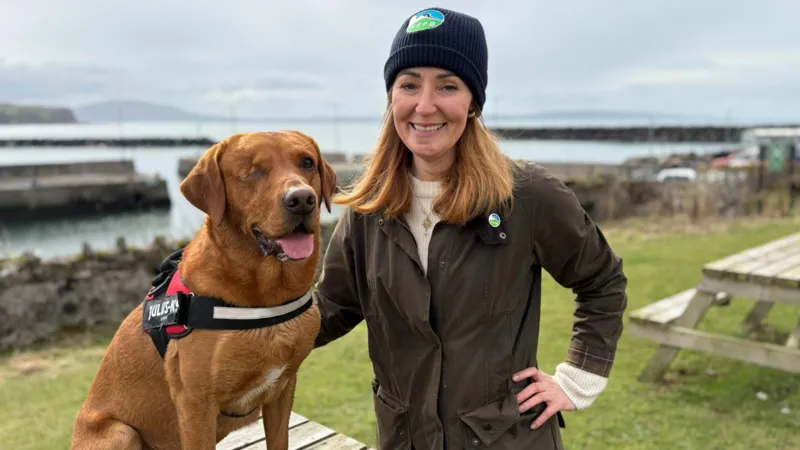
In an impressive conservation effort, Rathlin Island has become the first in the world to successfully eradicate ferrets, an invasive predator that threatened the local seabird population. This transformative achievement is largely credited to Woody, a specially trained conservation dog, whose keen sense of smell played a crucial role in the island's wildlife restoration project.
Community Efforts Bring Hope to Seabird Populations
The ferrets, introduced in the 1980s, caused significant damage to international seabird colonies on the island. Over a five-year project, dubbed Life Raft, extensive trapping efforts were undertaken to remove not just ferrets but also rats, with more than 400 traps deployed across Rathlin. With ferrets no longer seen since October 2023, there are already signs that the breeding seabird numbers are beginning to recover, offering a glimmer of hope to similar initiatives worldwide.
The Role of Woody: A Conservation Canine with a Mission
Woody, the red fox labrador, not only assisted in identifying remaining ferrets but is now transitioning into a biosecurity role. Following an unfortunate incident that led to the loss of an eye, Woody remains dedicated to ensuring that these invasive species do not return. His new duties include inspecting supplies arriving on the island to prevent any future infestations.
Looking to the Future: Recovery and Community Resilience
The successful removal of ferrets is not just a win for the seabirds but also for the community. Local resident Tom McDonnell highlighted the restoration of their ability to keep chickens, enhancing their self-sufficiency and contributing to community joy. As seabird colonies begin to rebound, the islanders are hopeful for an increase in the hare population and other local wildlife as well.
Global Inspiration: A Model for Conservation Efforts
Rathlin's success story is capturing attention far beyond its shores. At a recent international conference, experts discussed how the strategies implemented here could benefit similar conservation efforts across the globe. This remarkable collaboration between agencies and the local community demonstrates that with determination and a shared vision, significant change is possible in preserving biodiversity.
With ongoing monitoring and proactive measures in place, Rathlin Island stands as a beacon of optimism in the fight against invasive species. As communities around the world look to rehabilitate their own ecosystems, the lessons learned from Rathlin will undoubtedly serve as a foundation for future successes.

