Rediscovering the Legacy of Chapal Bhaduri: A Queen in a Changing World
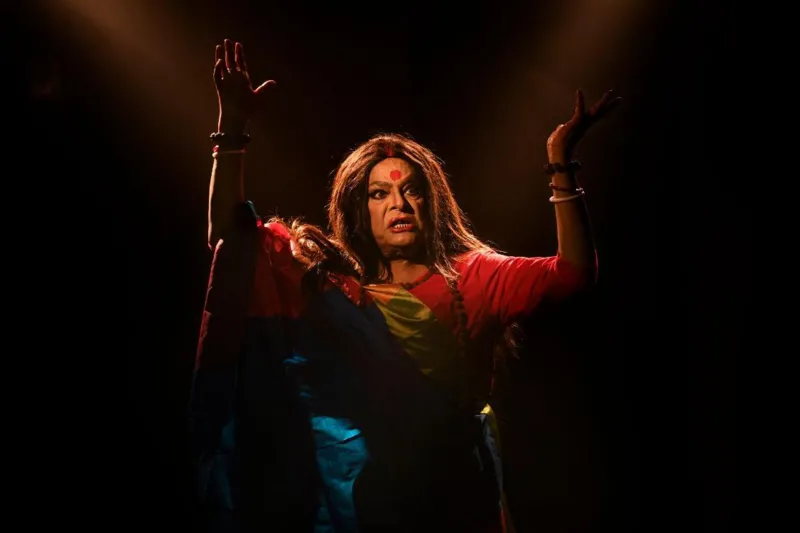
In a remarkable journey through the vibrant history of jatra, a traditional theatre form of Bengal, one figure stands out—Chapal Bhaduri, also known as Chapal Rani. His story is not just one of performance; it reflects the shifting attitudes toward gender and identity in Indian culture during the mid-20th century. This narrative is beautifully captured in the new book, Chapal Rani: The Last Queen of Bengal by Sandip Roy, which explores Bhaduri's impact on the arts and society at large.
The Rise of a Star
Born in 1939 to a stage actress, Bhaduri's early exposure to the world of performance shaped his future. By the age of 16, he took to the stage, embodying a variety of female characters with a grace that transcended stigma. Bhaduri's performances were noted for their depth and emotional resonance, challenging the conventions of gender portrayal within the arts. In a time when male actors were forced to navigate a complex theatrical landscape, Bhaduri swiftly became a symbol of authenticity in a genre that often leaned towards caricature.
A Bridge Across Generations
Although Bhaduri's prominence in the realm of jatra began to wane as women began to dominate acting roles, his work continued to inspire. His rich portrayal of female roles provided a counter-narrative to the ridicule often faced by queer characters in Indian performing arts, and in doing so, he carved out a unique space for himself within a community in search of representation. While his career faced numerous challenges, including a series of social and cultural shifts that phased out male impersonators, Bhaduri's talent never faded.
Rediscovering His Story
In recent years, interest in Chapal Bhaduri has resurged, particularly within the LGBTQ+ community in India, eager for representation and a connection to queer history. Bhaduri has been embraced as a "queer elder," a testament to the evolving narrative surrounding identity and performance. Roy's reflections on Bhaduri's life embody the spirit of resilience, showcasing how his artistry offered not only entertainment but also a pioneering perspective on gender fluidity.
The Importance of Memory and Representation
At a time when conversations about gender and identity are gaining momentum, Bhaduri's story is crucial for understanding the complexities of performance and existence beyond rigid labels. Despite living much of his life on the fringes, his legacy in jatra and beyond continues to resonate. As Roy unravels Bhaduri's journey, he raises profound questions about memory and whose stories are preserved in history. The life of Chapal Bhaduri illustrates the sometimes painful yet essential process of reclaiming narratives long buried in obscurity.
Through Sandip Roy's exploration of Bhaduri's experiences, we gain not only insight into a celebrated performer but also a broader understanding of the challenges faced by those who dare to live beyond societal expectations. As we highlight Bhaduri's contributions to the arts, we also foster a dialogue about the nuanced experiences of those who have navigated similar paths—providing hope and inspiration to current and future generations.

