Rediscovering the Silk Road: Archaeological Triumphs in Uzbekistan
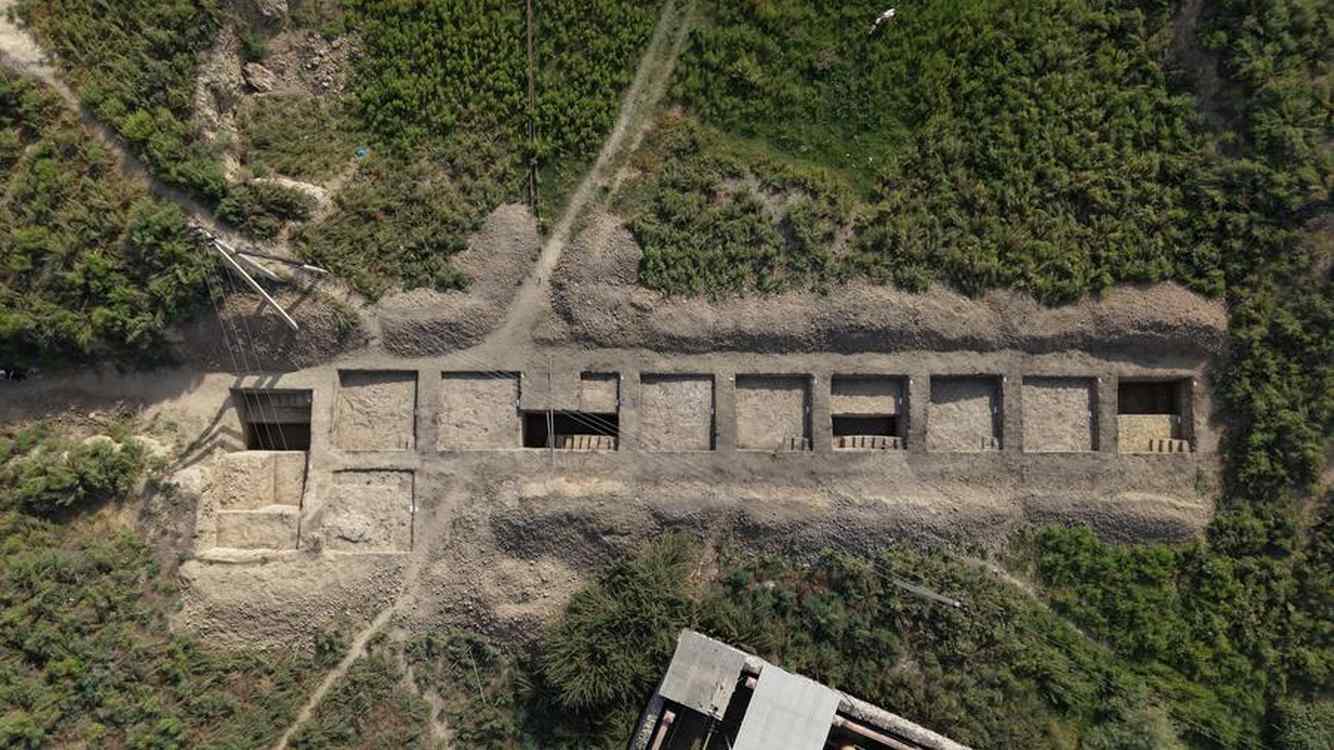
A groundbreaking joint mission between China and Uzbekistan has unearthed the remnants of a significant Silk Road city, Kuva, after two years of tireless excavation. This remarkable discovery offers a glimpse into a thriving settlement that played a crucial role in ancient trade routes spanning Asia.
A Window into History
The excavation of Kuva, located in the Fergana Valley, has revealed the foundations of palaces, residential buildings, and craft workshops, alongside the layout of streets and towering city gates. These findings are not just mere artifacts; they represent the intricate tapestry of cultures that inhabited the region between the 3rd century BCE and the 10th century CE.
Architectural Insights
The head of the Chinese expedition, Mr. Liu Bin, noted that the discovery of standing walls has provided substantial insights into the city's architectural evolution. With evidence of multiple reconstructions over the centuries, researchers now have the opportunity to timestamp the various civilizations that influenced Kuva’s development. This aspect of their studies underscores the complexity and richness of cultural exchanges along the Silk Road.
Importance in Trade and Culture
Kuva's historical significance extends beyond its ruins; it was a pivotal trade outpost that facilitated exchanges of goods such as silk and jade for ‘Heavenly Horses,’ a vital resource for the Han Dynasty in their campaigns against nomadic tribes. The strategic position of Kuva ensured it was at the heart of the rich commercial network that helped shape the economic landscape of ancient China and Central Asia.
Looking to the Future
Excavations at Kuva are set to continue, with plans for systematic digs at the palatial territories next year. This ongoing research promises even more exciting revelations about the settlement’s layout and its role in the broader context of Silk Road history. As Mr. Liu mentioned, the potential for new discoveries remains high, keeping alive the history of this incredible ancient trade route.
The collaboration between nations in undertaking this archaeological mission highlights the importance of shared history and mutual respect for cultural heritage. As the story of Kuva unfolds, it not only enriches our understanding of the past but also strengthens connections between China and Uzbekistan through a shared narrative of discovery.

