Remarkable Breakthrough in Coral Conservation: Mauritius Leads the Way
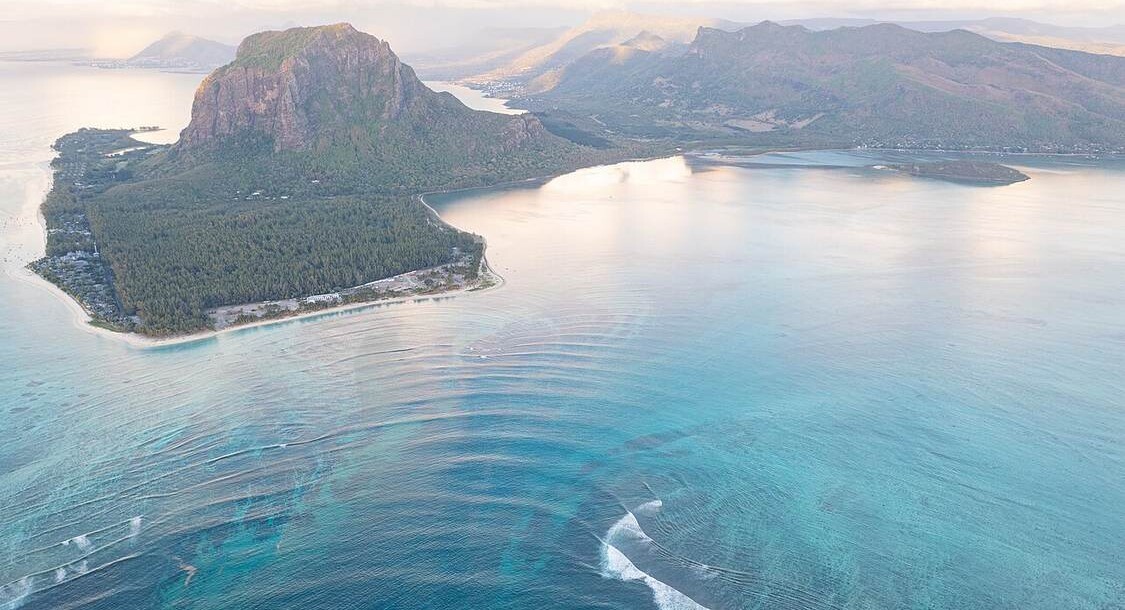
In a remarkable development for marine science, the coral reefs of Mauritius have demonstrated exceptional resilience in the face of climate change. Amid a significant coral bleaching event that affected neighboring reefs, one group of heat-resistant corals defied the odds, showcasing not just survival but a beacon of hope for future coral conservation efforts. Dr. Nadeem Nazurally's pioneering work with these resilient corals has opened new avenues for protecting vital marine ecosystems.
The Challenge of Coral Bleaching
Coral bleaching has become a critical concern for marine environments worldwide. Last summer, reefs around Mauritius faced alarming bleaching rates as high as 80%. However, the innovative strategies employed by Dr. Nazurally resulted in higher survival rates among his specially bred heat-resistant corals, marking a significant achievement in coral management.
Advancements in Coral Breeding Techniques
To combat the ongoing threat of coral bleaching, scientists have developed advanced methods of breeding corals that can withstand rising temperatures. With support from the Mauritian government and the United Nations, organizations like the Mauritius Oceanography Institute and Odysseo Oceanarium have collaborated to enhance the science of heat-resistant coral breeding. These concerted efforts have shown promising results, with a recent study by Dr. Nazurally revealing a remarkable 99.8% survival rate for certain bred hydrozoans during bleaching events.
A Sustainable Future for Coral Reefs
The implications of this research stretch far beyond Mauritius, serving as a model for coral restoration initiatives worldwide. By focusing on adaptability rather than solely addressing climate change at its source, these innovative strategies could substantially improve the resilience of coral ecosystems in the face of future challenges. As the marine science community continues to explore new avenues for supporting coral reefs, the recent successes in Mauritius offer a glimmer of hope for the future of our oceans.
Collaboration for Conservation
The journey towards restoring coral ecosystems involves collaboration across different scientific disciplines and institutions. The results from Madagascar can inspire similar projects globally, fostering a more unified approach to marine conservation. As researchers and conservationists work together, the lessons learned from the reefs of Mauritius could become instrumental in the ongoing battle against coral degradation.
In conclusion, the advancements in heat-resistant coral breeding exemplify the potential for science to drive effective conservation strategies against the backdrop of environmental change. The ongoing efforts in Mauritius could very well serve as a blueprint for preserving marine life around the globe, reinforcing the importance of investment in adaptation initiatives to safeguard our planet's aquatic ecosystems.

