Remarkable Comeback: Older Male Whales Outperform Young Rivals in Reproduction
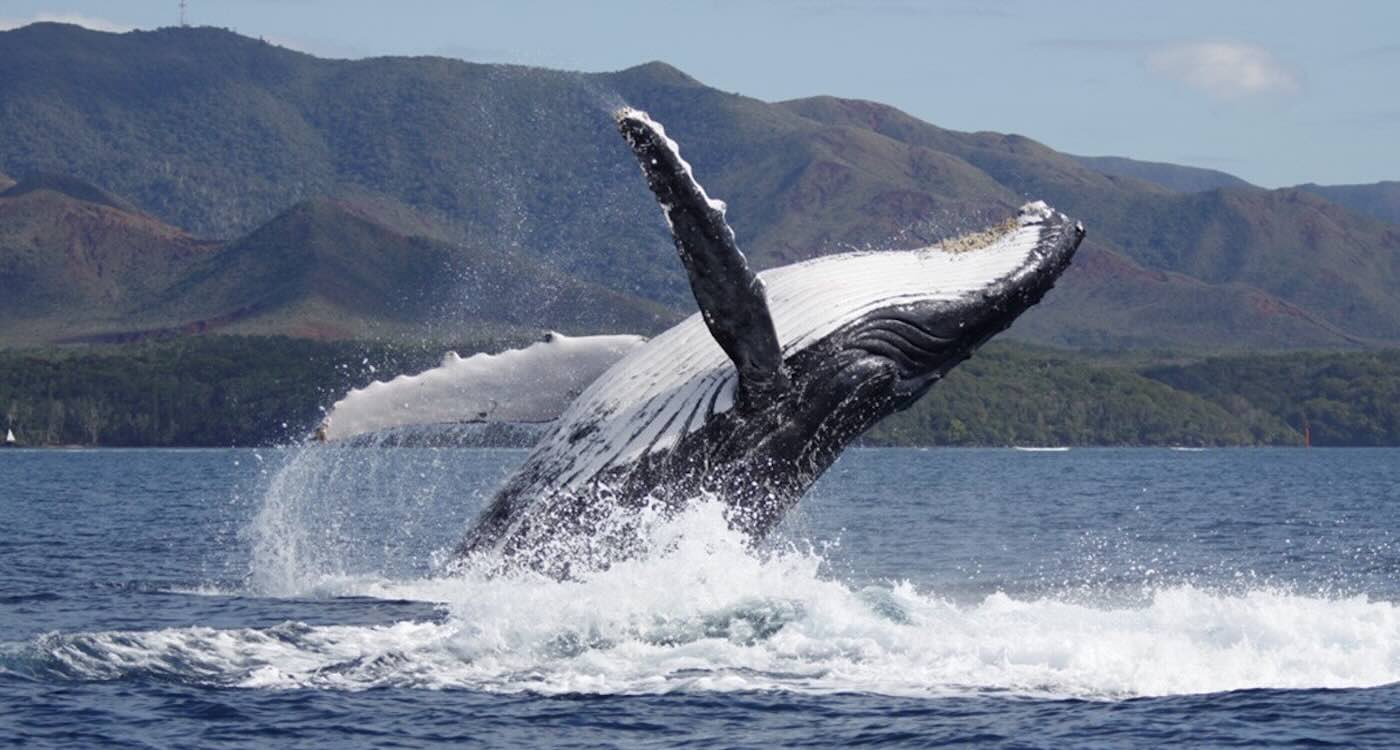
A fascinating new study reveals that older male humpback whales, with their refined singing skills, are outpacing younger peers in mating success. This discovery not only highlights the incredible recovery of whale populations post-whaling but also underscores the complexities of their social and reproductive behaviors.
Understanding the Advantage of Age
Research led by the Sea Mammal Research Unit at the University of St. Andrews in Scotland indicates that older male whales have become increasingly successful in birthing offspring as their populations recover from historic hunting pressures. The phenomenon is linked to their experience in singing and competitive tactics—skills that develop with age, giving these seasoned males a definitive edge.
The Shift in Whale Dynamics
Data collected over two decades in New Caledonia shows a significant shift in the age structure of humpback whale populations. As numbers began to recover, older males emerged as dominant figures in breeding. Once largely absent, these older males are now frequently observed engaging in mating activities, which may signal a shift in female selectivity and preferences as the population flourishes.
Innovative Research Techniques Reveal New Insights
This groundbreaking study also demonstrates the power of modern genetic analysis and technologies, allowing researchers to assess paternity from small samples of whale skin. The application of an ‘epigenetic molecular clock’ now reveals the age of whales, enabling scientists to draw conclusions about their reproductive strategies and behaviors effectively.
The Future Looks Bright for Humpback Whales
With whale populations significantly exceeding pre-whaling levels in regions like Australia, the behavioral patterns of these majestic creatures are altering. The increased singing of humpbacks, with songs now doubling in numbers, reflects a thriving environment, resulting in more elaborate vocal displays as they compete for attention from potential mates.
As they continue to recover, the future looks promising for humpback whales and their ecosystems. With ongoing research unveiling the complex layers of their social hierarchy, conservationists remain optimistic about the resilience and adaptability of these remarkable marine mammals.

