Revitalizing Light Rail: A New Dawn for Twin Cities Transit
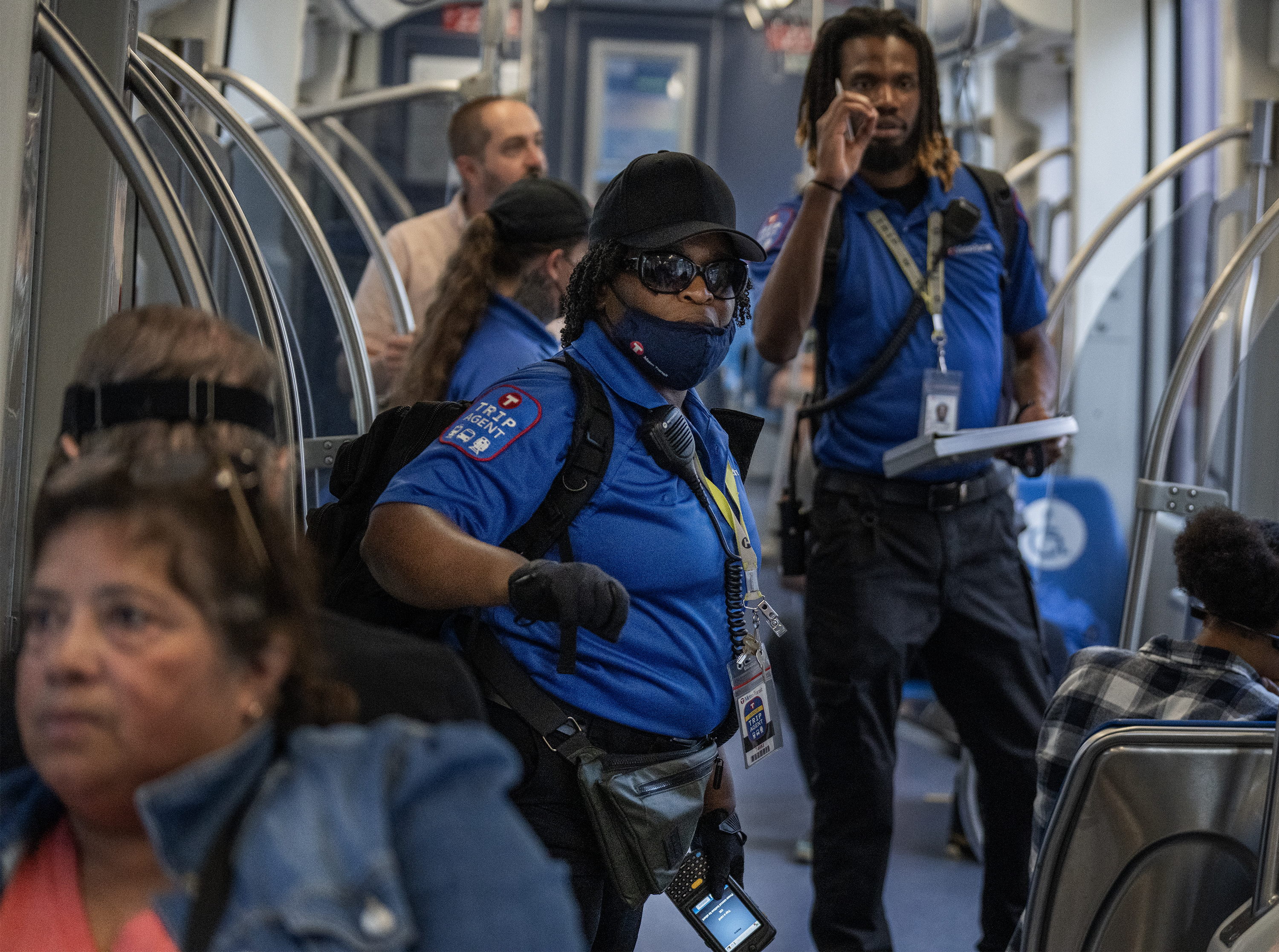
In a significant turnaround for the Twin Cities' light-rail system, Metro Transit has launched a series of initiatives aimed at improving safety and rider experience, making strides towards restoring public confidence in this vital mode of transportation. After enduring years of negative perceptions largely due to passenger behavior, recent investments and strategies have introduced a palpable sense of progress.
Increased Safety Measures
Metro Transit has recognized the importance of a visible security presence in enhancing commuter safety. Recent data indicates that the proportion of riders who feel safe has risen by about 8% over the last two years, now reaching nearly half of all passengers. To bolster this trend, the agency has deployed an “army” of Transit Rider Investment Program (TRIP) agents—up to 140 in just two years—with plans to expand to 215 by year-end. This increased personnel aims not just to monitor fare compliance but also to create a safer and more welcoming environment for riders.
Community Engagement and Support
Furthermore, Metro Transit is actively developing specialized teams such as a homeless action unit and mental health crisis services, indicating a commitment to addressing broader community issues that often affect urban transit. The agency's focus on safety has successfully freed up Metro Transit Police resources, allowing them to more effectively respond to incidents. In just one year, officers proactively managed twice as many events as in the previous year, showcasing an impressive response to public safety concerns.
A Bright Future Ahead
While the light-rail system still faces challenges, particularly in reigniting ridership to pre-pandemic levels, the investments made have laid a foundation for long-term improvements. The 0.75% metrowide sales tax, designed to enhance transit services and increase personnel, reflects a political commitment to prioritizing urban transport. Observers have noted a remarkable difference in experiences on the Green Line, with many reporting increased visibility of security measures during their commutes.
As we navigate a landscape often dominated by discussions of urban decay and ineffective governance, the positive developments within the Twin Cities light-rail system highlight a dedicated effort towards improving transit services. These changes may not only lure former riders back but also transform public perception, signaling a hopeful trajectory for urban mobility in the Twin Cities.

