Reviving the Light Rail: Positive Progress in Twin Cities Transit
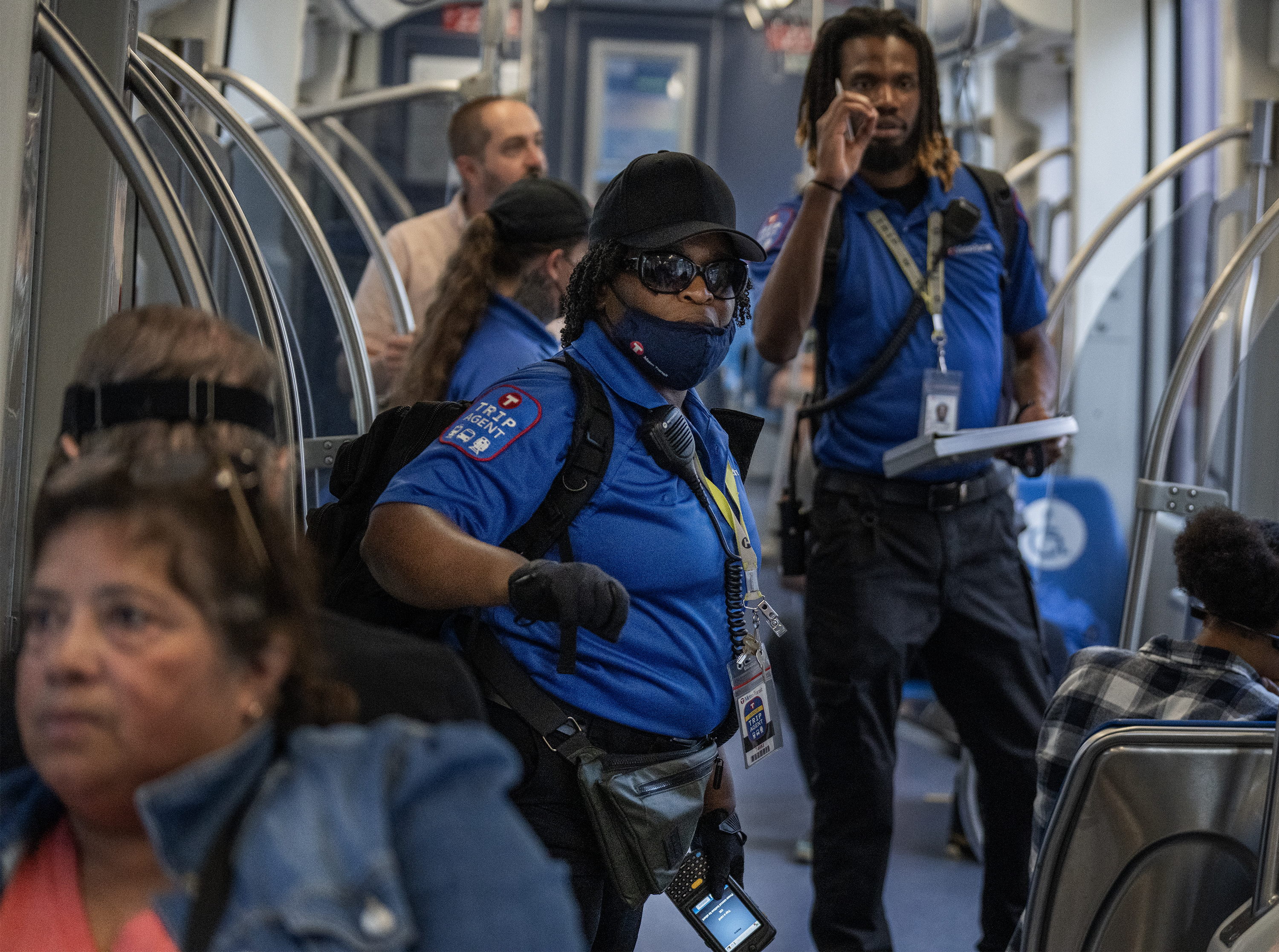
The Twin Cities light-rail system has faced significant challenges in recent years, but recent developments indicate a turning point. With substantial investments and a renewed focus on passenger safety, Metro Transit is successfully addressing past issues, making strides towards a more secure and inviting commuting experience.
Increased Security and a Safer Environment
The perception of safety on public transit is crucial for encouraging ridership, and Metro Transit’s efforts are yielding promising results. The share of riders reporting feeling safe on the trains has risen nearly 8% over the past two years. This uptick is a strong signal that the improvements—most notably the introduction of the Transit Rider Investment Program (TRIP) agents—are making an impact.
With the number of TRIP agents ballooning to around 140, their presence has become a common sight on trains and rapid bus lines. This influx of personnel is complemented by private security staff patrolling key transit hubs, all contributing to a notable reduction in problematic behavior. The Metro Transit Police Department has also been able to allocate resources more effectively, allowing officers to focus on responding to crimes rather than monitoring fares.
Investment in Infrastructure and Staff
Recent financial investments have played a critical role in the revitalization of the transit system. The introduction of a metrowide sales tax has facilitated an expansion of services and improvements to the infrastructure. With plans to double maintenance and repair staff, the focus on improving the rider experience is clear. This comprehensive approach aims to make the light-rail system not only safer but also more efficient and user-friendly.
Signs of Encouragement for the Future
Despite lingering perceptions of insecurity, the strides made by Metro Transit are commendable. The effort to curb incidents of smoking and other disruptive behaviors has seen successful enforcement, with citations for smoking climbing significantly in the last three years. As Metro Transit continues its commitment to enhancing safety and service, there is hope that these positive developments will encourage former riders to return.
In amidst the often negative discourse surrounding urban transit, acknowledging the advancements made in public safety reveals a more nuanced picture. The ongoing efforts by Metro Transit to enhance security and infrastructure demonstrate a commitment to restoring confidence in public transportation, paving the way for a brighter future for the Twin Cities’ transit system.

