Revolution in Display Technology: Inkjet-Printed OLEDs Set to Transform the Market
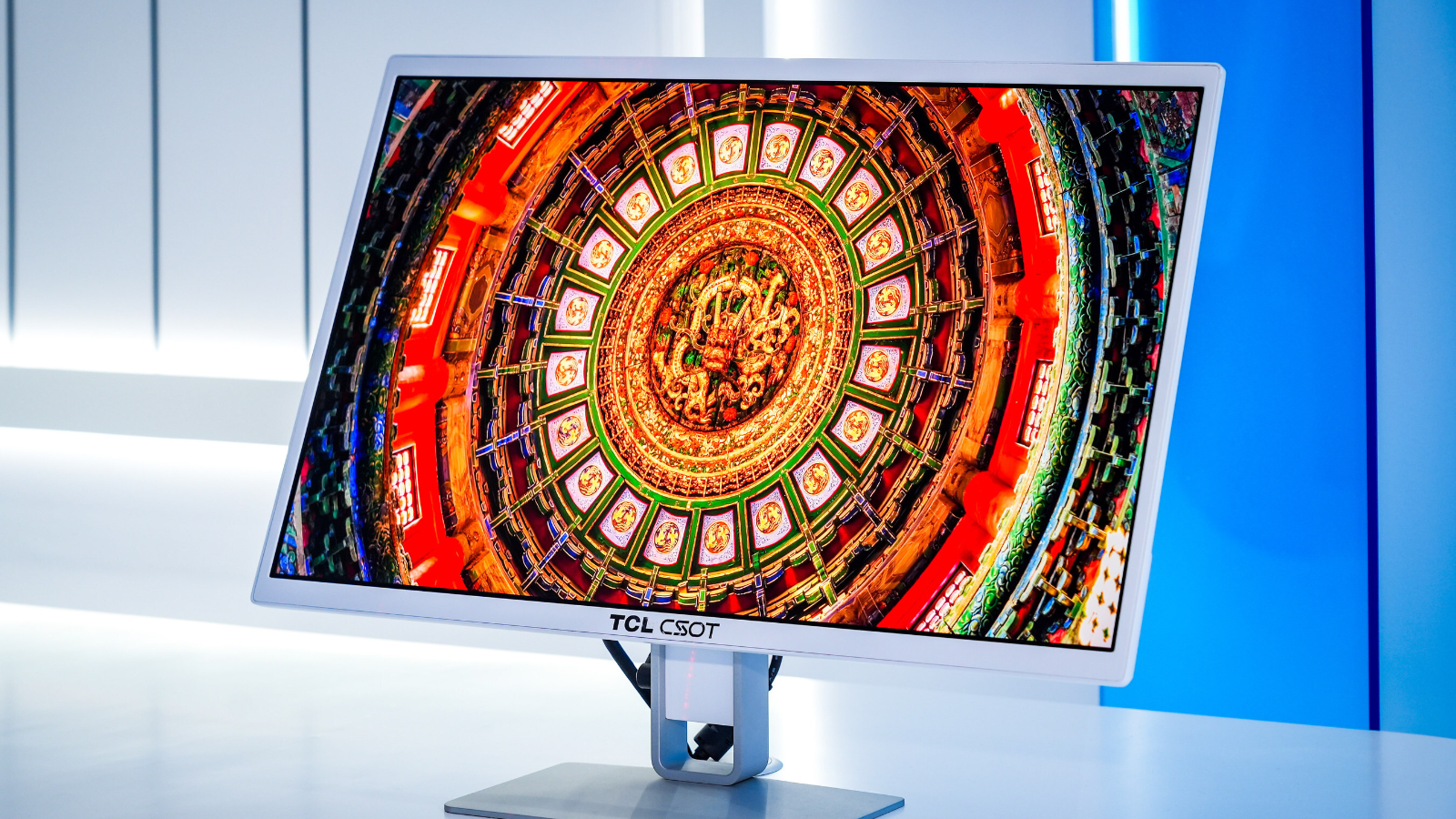
In an exciting development for tech enthusiasts and consumers alike, a new report reveals that the much-anticipated arrival of inkjet-printed OLED (IJP OLED) technology is expected to significantly reduce production costs, rendering OLED displays far more affordable. This innovation could have immediate benefits for products like laptops, mobile devices, and eventually even televisions.
Cost-Effectiveness and Efficiency
According to analysts at Omdia, the move from Fine Metal Mask (FMM) technology to inkjet printing may cut production costs by 30 to 35%. With OLED technology historically being expensive to manufacture, this reduction could democratize access to OLED displays, making high-quality visuals more attainable for everyday consumers. Moreover, manufacturers will find IJP to be more efficient, as it allows for the production of more panels from a single substrate than FMM methods.
Improvements on the Horizon
Although IJP OLED technology is still in its infancy, with current production costs remaining high, there have been substantial strides in addressing longstanding challenges. For instance, TCL CSOT has made noteworthy improvements in the lifespan of blue OLEDs, which have extended from a mere 40 hours to an impressive 400 hours within a few years. Additionally, power consumption has been reduced significantly, enhancing the overall sustainability of the technology.
A Bright Future for OLED Displays
TCL CSOT's ambitious plans also include a substantial investment of $4 billion in a new production plant in Guangzhou, China, which aims to produce large volumes of substrates. With mass production expected to start as early as late 2027, the future of OLED technology is set to be brighter and more accessible than ever before. Consumers can look forward to a wide range of options, including larger screens tailored for televisions, monitors, and laptops.
This upcoming transformation in display technology signifies a turning point, where cutting-edge innovation meets consumer demand for affordability and efficiency. The implications for the tech landscape are profound as more individuals gain access to high-quality, state-of-the-art displays.

