Revolutionary Approach to Saving Rhinos: The Rhisotope Project
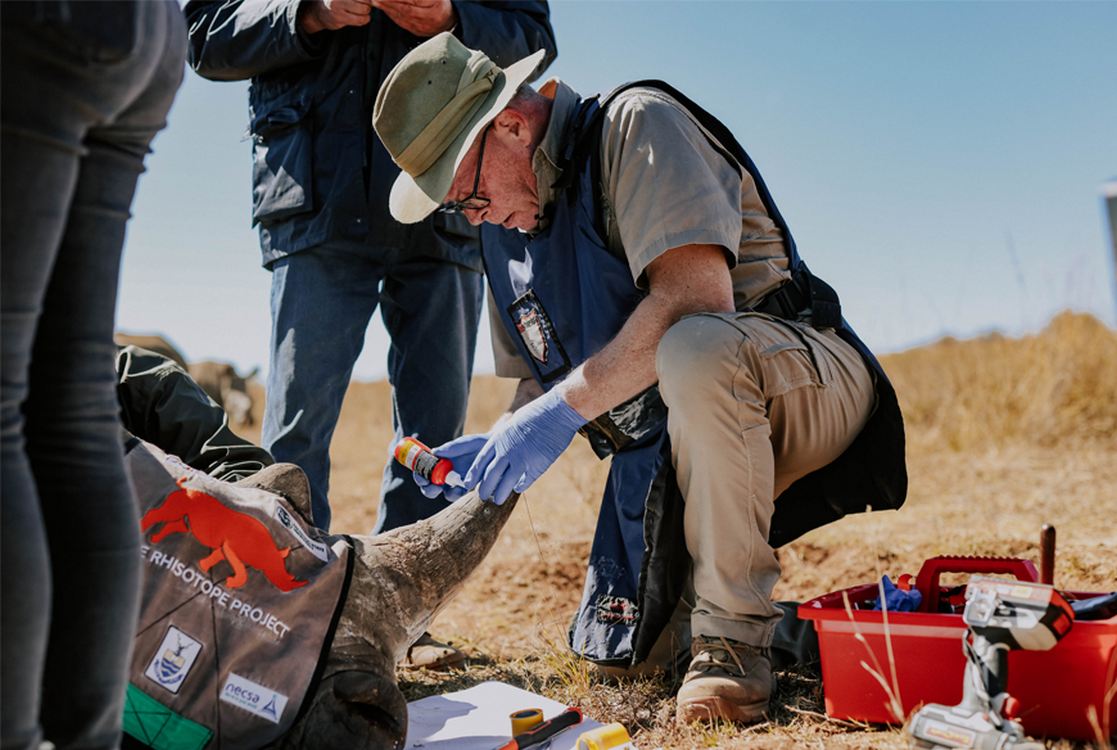
In an innovative stride towards wildlife conservation, South Africa has launched the Rhisotope Project, a groundbreaking strategy designed to protect its rhino population from poaching. This initiative, emerging from six years of meticulous planning and research, involves the integration of non-harmful radioactive isotopes into rhino horns, creating an insurmountable barrier for traffickers and paving the way for a brighter future for these majestic creatures.
A Bold Strategy Against Poaching
Given the alarming rates of illegal poaching that threaten both the white and black rhino species, the Rhisotope Project emerges as a solution that blends science with conservation efforts. The project leverages existing radiation detection technology to ensure that any rhino horn, tainted with these isotopes, can be easily identified and intercepted during international transport. This strategy could be a game-changer, effectively safeguarding not just rhinoceroses, but also preserving a critical part of South Africa’s natural heritage.
Scientific Backing and Ethical Considerations
Field tests conducted by the University of Witwatersrand revealed no adverse effects of the isotopes on the rhinos themselves, a crucial aspect of the project's ethical considerations. This breakthrough provides reassurance to conservationists, validating the project’s safety and efficacy in making rhino horns detectable without compromising the animals’ health. As Jessica Babich, CEO of the Rhisotope Project, puts it, "Our goal is to deploy the Rhisotope technology at scale to help protect one of Africa’s most iconic and threatened species."
Impact on Poaching and Broader Conservation Efforts
By potentially reducing the financial burden on private landowners who currently need to invest in anti-poaching measures and regular dehorning practices, the Rhisotope Project could represent a significant economic advantage as well. It not only preserves the rhinos’ natural appearance, but also allows for a long-term approach that could culminate in the stability and growth of rhino populations in South Africa.
Looking Ahead
As the project moves towards a broader application, there is palpable optimism among scientists and conservationists alike about its prospects. Professor James Larkin, a key figure behind this initiative, expresses a sense of pride and hope that their work may indeed contribute to the survival of rhinoceroses for generations to come. The Rhisotope Project stands as a testament to human ingenuity, combining technology and compassion in an effort to combat one of the most pressing crises facing wildlife today.
The promising results from the Rhisotope Project encourage not only innovative conservation strategies but also foster a renewed commitment to protecting vulnerable species worldwide. As this project develops, it provides a hopeful narrative in the ongoing battle against wildlife crime.

