Revolutionary Aquaculture: A Game Changer for Japan's Seafood Culture
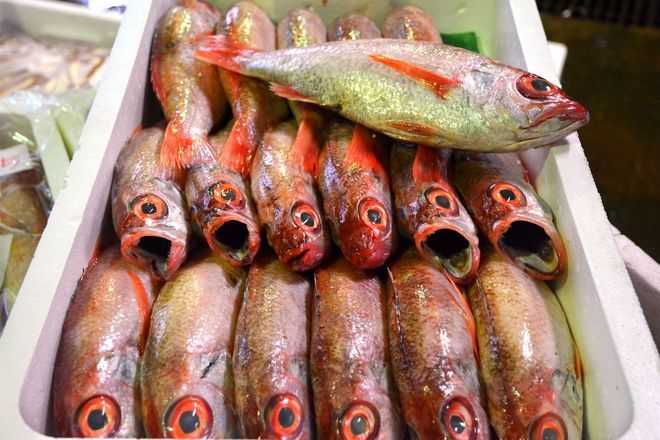
In a groundbreaking development for the fishing industry, Kindai University has announced the successful aquaculture of the nodoguro blackthroat seaperch, a delicacy known for its exquisite taste. This achievement marks the first time in the world that this deep-sea fish has been raised entirely in captivity from artificially hatched parents, offering a sustainable solution to its unstable catch rates.
The Culinary Delicacy of Nodoguro
Nodoguro, also known as akamutsu, is celebrated not only for its mysterious black throat but also for its versatility and flavor. Historically, it has been a prized ingredient in Japanese cuisine, best enjoyed as sashimi or grilled. Despite its popularity, the unpredictable availability and high prices have deterred many consumers from experiencing its rich, buttery taste.
A Step Towards Sustainability
The importance of this aquaculture breakthrough cannot be overstated. As the demand for high-quality seafood continues to rise, Kindai University's research team is paving a new path for sustainable fishing practices. By cultivating nodoguro in a controlled environment, the pressures on natural populations can be significantly alleviated, allowing for potential revival of traditions tied deeply to this fish.
Looking Ahead
With commercialization projected by 2030, this development could play a pivotal role in rekindling Japan's rich seafood culture, moving it from reliance on imported fish back to local delicacies. This could not only ensure the survival of nodoguro but also foster a renewed appreciation for traditional Japanese cuisine. As we await its commercialization, one can only hope that more regions will adopt similar measures, ensuring that future generations can savor the umami of nodoguro.

