Revolutionary Aquaculture: Japan's Nodoguro Fish Cultivation Breakthrough
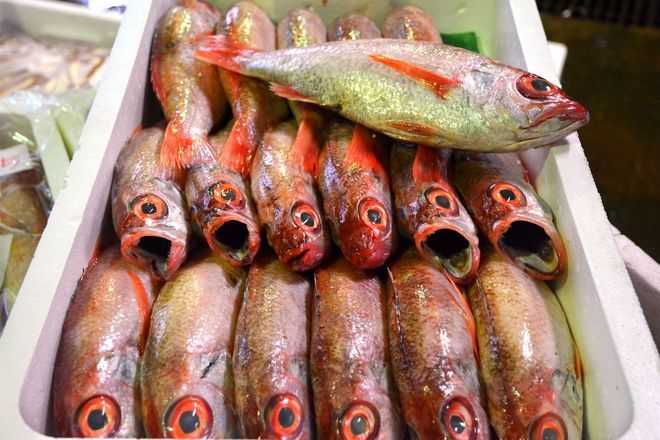
In a remarkable achievement for Japan's seafood industry, Kindai University has announced the successful aquaculture of the esteemed “nodoguro” blackthroat seaperch. This innovative method allows for the raising of nodoguro entirely in captivity, marking a historic breakthrough as it is reported to be the first of its kind globally.
A Culinary Treasure on the Rise
The nodoguro, formally known as akamutsu or rosy seabass, has long been celebrated for its exquisite flavor and culinary versatility. Often lauded as “shiromi no toro” for its rich and fatty belly meat, this fish is a prized delicacy enjoyed in various forms, from sashimi to grilled dishes. However, the challenges associated with its catch due to unstable populations have rendered it a rare and costly option in restaurants. The newfound ability to cultivate this species could potentially democratize access to this delicious fish for everyday consumers.
Promising Developments for the Future
Kindai University aims for the commercialization of this aquaculture process by around 2030. As Japan, an island nation steeped in rich seafood traditions, grapples with changing fishing practices and declining catch, this achievement could herald a revival of its time-honored culinary heritage. With the growing demand for sustainably sourced seafood, the successful farming of nodoguro may not only satisfy cravings but also nourish a broader commitment to preserving traditional flavors.
This development not only showcases technological advancements in aquaculture but also signals a positive direction for food sustainability and biodiversity. As we await further developments, one can only imagine the joy of enjoying freshly prepared nodoguro—an echo of Japan’s rich marine culture—available at more dining establishments in the near future.

