Revolutionary Changes Announced for Young Horse Championships: A Step Towards Better Welfare
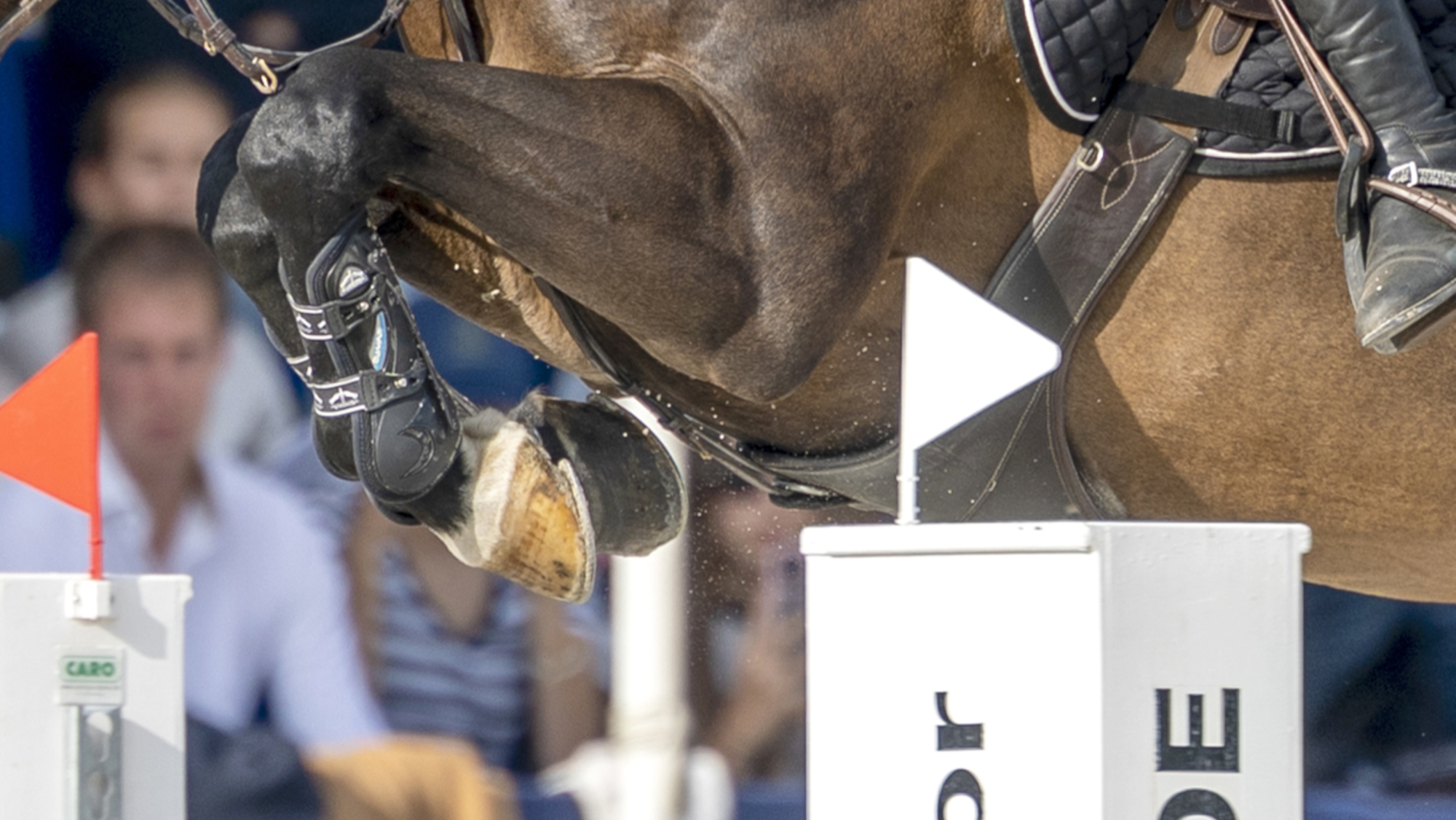
In a notable development for the equestrian community, the World Breeding Federation of Sport Horses (WBFSH) and the Fédération Equestre Internationale (FEI) have announced crucial changes to the jumping World Championships for young horses. This initiative comes in response to last year's concerns about the undue pressure placed on young athletes in the sport, particularly regarding the format of competitions.
Emphasis on Welfare and Correct Training
To enhance the well-being and development of young horses, this year’s championships will adopt an "optimum time" standard for five-year-olds at Lanaken, replacing the previous "racing against the clock" approach. This shift is intended to mitigate the stress experienced by these young competitors and prioritize educational riding, thereby fostering a more supportive environment for their growth.
Katy Holder-Vale, a committee member for the WBFSH, articulated the consensus reached among various stakeholders, emphasizing that the welfare of young horses must take precedence. The introduction of Minimum Eligibility Requirements (MERs) ensures that horses are suitably prepared before entering the championships, which, according to experts, is vital for their development.
A Positive Feedback Loop
The reactions to these changes have largely been favorable, with industry professionals recognizing the need for such measures. Breeder Carron Nicol, who witnessed last year’s competitions, expressed her support for the new format, noting the dangers of forcing young horses into high-pressure situations that compromise their training. “If you keep racing horses against the clock,” she stated, “they don’t learn to jump in the correct way.”
Similarly, renowned rider William Funnell endorsed the new standards, describing them as a significant advancement for the sport. The concept of racing five-year-olds around the course last year did not yield positive outcomes, and the community's collective move towards reform represents a commitment to better practices in horse training and management.
Looking Ahead
This initiative is not just a one-off change; stakeholders hope that federations will adopt similar measures at a national level, laying a foundation for improved standards across the board. Funnell also suggested that these changes could serve as a template for upcoming championships, advocating for further advancements in horse welfare standards.
As the equestrian community embraces these changes, the overall outlook for young horse competitions appears brighter, emphasizing preparation, education, and care for the athletes of tomorrow. These reforms serve as a reminder that prioritizing welfare can lead to healthier, more capable horses, ultimately enriching the sport we all cherish.

