Revolutionary Changes in Young Horse Championships: A New Era for Equine Welfare
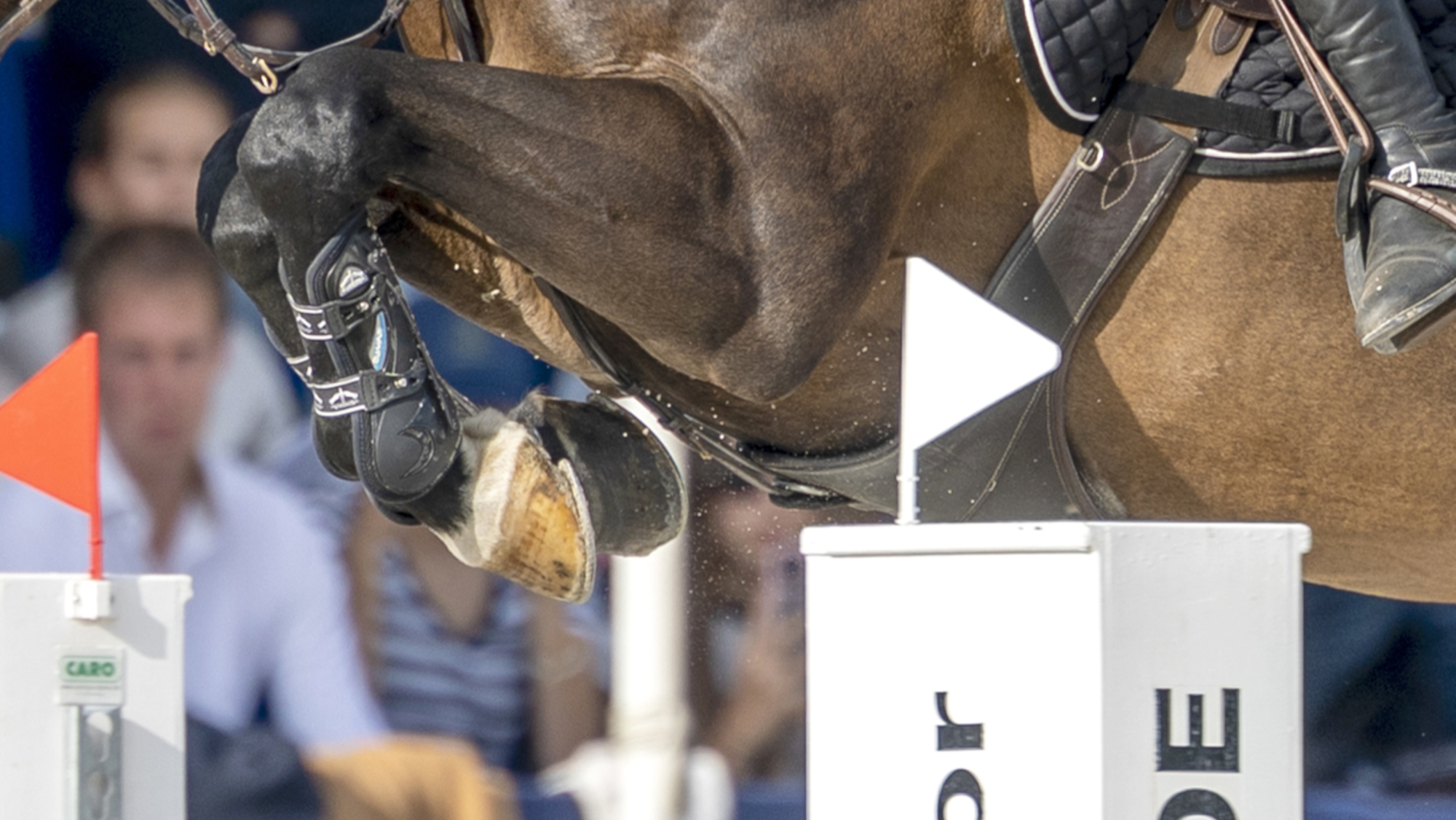
In a significant move towards enhancing the welfare of young horses, the World Breeding Federation of Sport Horses (WBFSH) and the International Equestrian Federation (FEI) have announced a pivotal change to the format of the jumping World Championships for five-year-olds. This update, driven by feedback from the previous year's competition, aims to alleviate the pressures faced by these young equestrians while prioritizing their development and well-being.
New Format Emphasizes Education Over Speed
One of the primary developments is the shift from a time-based competition to an "optimum time" format for the classes involving five-year-old horses. This alteration is set to foster an environment that emphasizes proper riding techniques and reduces the stress of racing against the clock. The federations have highlighted the importance of “correct and educational riding,” aiming to support the crucial developmental stage of younger horses.
Minimum Eligibility Requirements (MERs) Introduced
To further ensure that only well-prepared horses participate in the championships, minimum eligibility requirements have been established. For five-year-olds, this includes jumping three clear rounds in CSIYH competitions, while for six and seven-year-olds, the requirements adjust according to the heights of the jumps. This strategic step is intended to refine the selection process and guarantee that horses arrive at the championships adequately prepared.
Expert Opinions on Welfare and Development
The change in format has been welcomed by many industry experts. Notably, William Funnell, a prominent figure in the equestrian community, expressed that this new direction is a much-needed step towards safeguarding young horses. He noted that the previous method of racing these horses did not yield positive outcomes, stating, “We’re ruining a lot of horses doing that – and the fact they’re doing something about it means that it’s not OK.”
Support is widespread among stakeholders, including breeder Carron Nicol, who emphasized the significance of teaching young horses to jump in balance and properly accept the rider's signals, rather than focusing on speed. The collective consensus points to a brighter future for the sport, encouraging the introduction of similar regulations on a national level.
A Step Towards a Sustainable Future
The new regulations signify a broader commitment within the equine community to prioritize horse welfare. By promoting correct training methods and reducing competitive pressure, these changes may not only improve the experiences of young horses in competitions but also foster a more sustainable and ethical approach to equestrian sports. The developments reflect a growing acknowledgment of the responsibility that comes with training these animals and the importance of nurturing their physical and mental well-being.
This evolution in the young horse championships opens avenues for potential advancements in other competitions globally, marking a pivotal shift towards better practices in horse training and competition. As we look ahead, the hope is that these changes inspire continued dialogue and improvements within the equestrian community.

