Revolutionary Coral Breeding Method Offers Hope for Marine Ecosystems
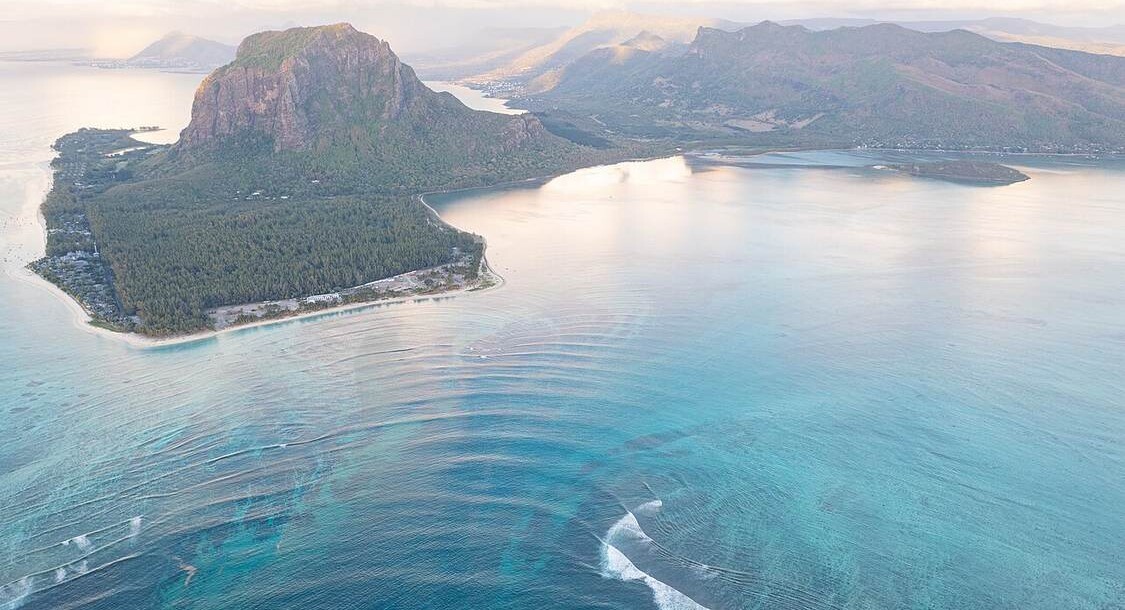
In a time when coral reefs around the globe are facing unprecedented threats from climate change, a beacon of hope has emerged from the waters of Mauritius. Dr. Nadeem Nazurally and his team have successfully demonstrated that innovative breeding techniques can help create heat-resistant corals, significantly improving the survival rates during catastrophic coral bleaching events.
A Resilient Coral Community
Last summer, as a major coral bleaching event affected Mauritius, it was remarkable to observe that Dr. Nazurally's project exhibited resilience with survival rates that often exceeded those of the surrounding wild reefs. While many local reefs suffered alarming bleaching rates of up to 80%, the corals nurtured through Nazurally's pioneering methods managed to thrive, showcasing the potential for sustainable coral restoration practices.
Scientific Breakthroughs in Coral Management
The Mauritian government, alongside UN initiatives, has recognized the need for advanced strategies to combat the ongoing challenges faced by coral ecosystems. This has sparked increased collaboration among local institutions such as the Mauritius Oceanography Institute and the University of Mauritius. Their work is now centered on refining the science of coral breeding that specifically targets heat resistance.
Encouraging Results in Coral Survival
A recent study led by Dr. Nazurally revealed impressive results, with the hydrozoan genus Millepora exhibiting an astounding 99.8% survival rate during bleach conditions, as opposed to an average of 88% for all coral types. This emphasizes the success of the new breeding techniques that prioritize the adaptation of corals to warmer waters, leading to a brighter outlook for marine biodiversity in Mauritius.
The Future of Coral Reefs
As these innovative approaches gain momentum, they signal a promising shift towards more resilient coral reefs capable of withstanding the impacts of climate change. The successful utilization of floating nurseries, as demonstrated in the research, further highlights the adaptability of coral restoration methods, ensuring that Mauritius could lead the way in global marine conservation efforts. As we look to the future, the progress made by Dr. Nazurally and his collaborators offers hope that we can protect and sustain vital marine ecosystems.

