Revolutionary Coral Breeding Offers Hope for Marine Ecosystems in Mauritius
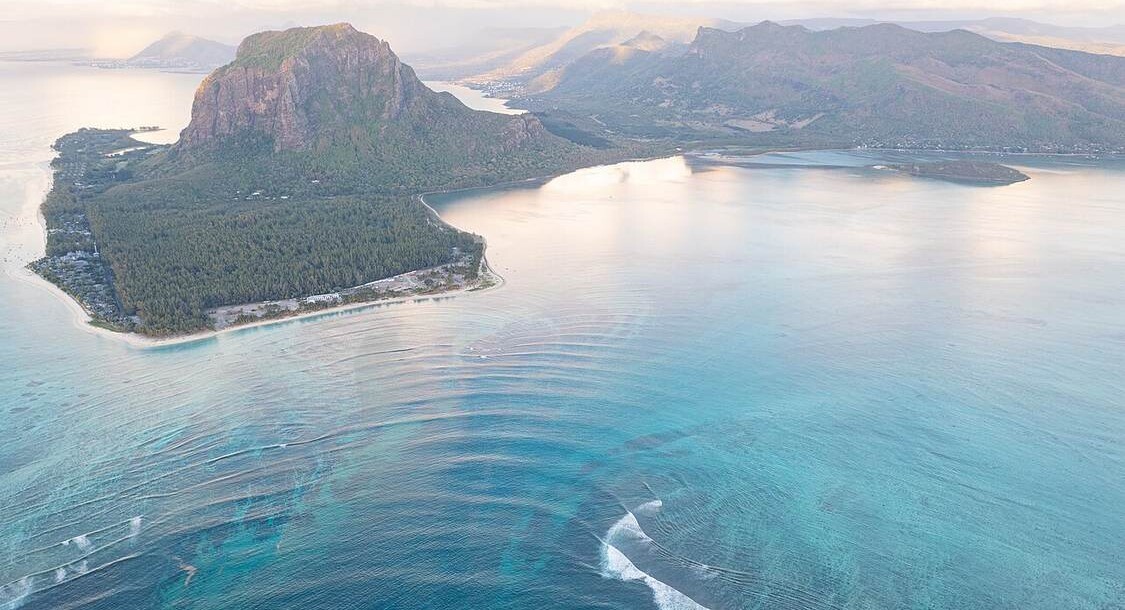
In a remarkable breakthrough for marine conservation, researchers in Mauritius have demonstrated the potential of breeding heat-resistant corals to combat the devastating effects of climate change on coral reefs. While many surrounding reefs suffered catastrophic bleaching events, a small group of corals managed to thrive, signaling a new direction for coral restoration efforts.
Innovative Coral Management Techniques
Dr. Nadeem Nazurally and his team have been at the forefront of this innovative approach, focusing on enhancing coral resilience to rising sea temperatures. The success of their coral breeding program is a significant step toward preserving the vibrant marine ecosystems that are crucial to both ocean biodiversity and local livelihoods.
Impact on Marine Life and Local Economy
The coral reefs of Mauritius, home to nearly 250 species of coral and hydrozoans, serve as a vital resource for local fisheries and support a wealth of marine life. As these ecosystems face unprecedented threats, the work being done to develop heat-resistant corals is not just an environmental concern but an economic imperative. The fishing industry that relies on these reefs generates billions in revenue, highlighting the intertwined fate of marine health and human prosperity.
A Future Focused on Adaptation
This research signifies a pivotal shift in how we respond to climate challenges. Instead of attempting to combat climate change directly, scientists are finding ways to adapt to its realities. The findings from recent studies demonstrate that, under the right conditions, corals can be cultivated in a manner that keeps them safe from the adverse effects of warming waters. With 99.8% survival rates observed in newly bred strains compared to significantly lower rates in traditionally cultivated corals, the path forward is becoming clear.
The collaborative efforts of organizations such as the Mauritius Oceanography Institute and the University of Mauritius signal a hopeful future for marine conservation. By investing in adaptation strategies, these institutions are paving the way for a more resilient marine environment that can withstand the impacts of climate change.

