Revolutionary Coral Breeding Techniques Pave the Way for Resilient Marine Ecosystems
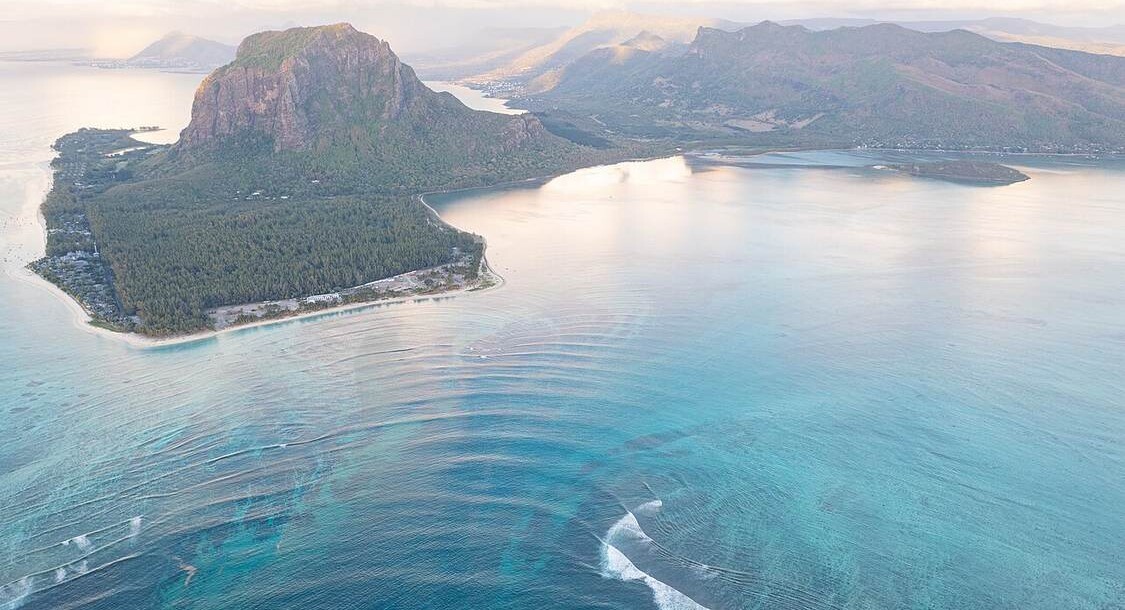
Recent advancements in coral breeding techniques are inspiring hope for the future of marine ecosystems in Mauritius, where a dedicated team of scientists, led by Dr. Nadeem Nazurally, is making strides against coral bleaching. After a devastating bleaching event last summer, which saw neighboring reefs suffer up to 80% loss, Dr. Nazurally's managed reefs showcased remarkably better survival rates, hinting at a promising future for coral resilience.
Rethinking Coral Restoration
The resurgence of vibrant coral species is critical not only for maintaining biodiversity but also for supporting the livelihoods of local communities that depend on these ecosystems. Mauritius is home to nearly 250 coral and hydrozoan species, underscoring the urgency of restoring these essential habitats. With traditional methods proving less effective against persistent bleaching events, innovative approaches are now being embraced. The collaboration between the government, the UN, and various marine research organizations signifies a collective effort to safeguard these reefs.
Heat-Resistant Coral Breeding
At the forefront of this initiative is Dr. Nazurally's program to breed heat-resistant corals, which has shown promising results. A study conducted last summer demonstrated an impressive 99.8% survival rate of the hydrozoan genus Millepora during bleaching events, a stark contrast to the average survival rate of 88% among all coral genera. This breakthrough highlights the potential of selecting and cultivating coral phenotypes that can withstand rising water temperatures, thus ensuring that the reefs continue to thrive in changing oceanic conditions.
Innovative Techniques for Coral Cultivation
The methods employed extend beyond mere breeding; they involve sophisticated timing and collection techniques to maximize reproduction rates. Utilizing advancements in marine biology, researchers have been able to predict spawning events and successfully gather coral gametes. This meticulous approach allows for the nurturing of corals in controlled conditions to enhance their resilience against future bleaching incidents.
Furthermore, studies exploring the growth dynamics of coral indicate that innovative nursery solutions, such as floating platforms, can help mitigate sedimentation damage, particularly in popular tourist areas. This not only helps in preserving coral populations but also promotes sustainable tourism practices.
The ongoing efforts by the Mauritius marine science community to develop and implement these innovative coral restoration strategies demonstrate a remarkable commitment to ecological preservation and showcase the potential for human ingenuity to combat environmental challenges.

