Revolutionary CRISPR Therapy Offers Hope for Rare Genetic Disorders
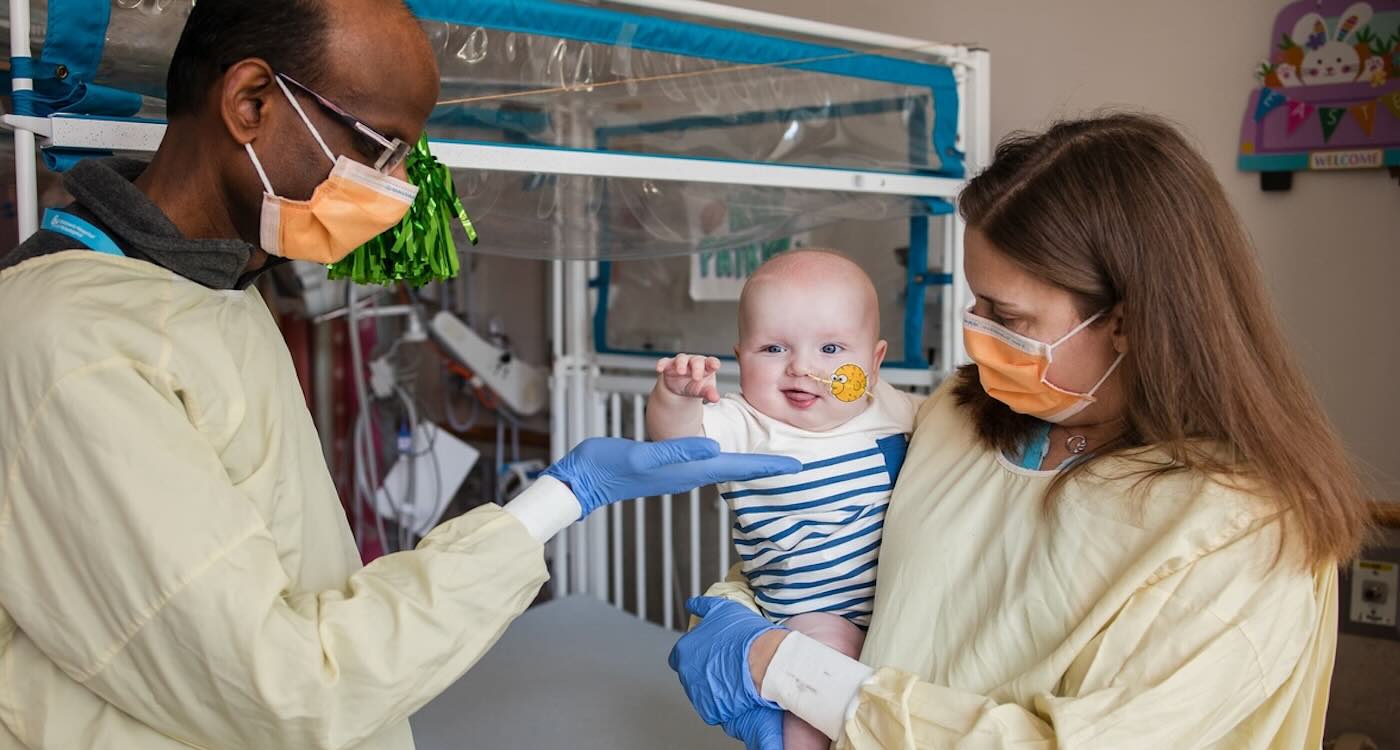
In a remarkable breakthrough, a child from Pennsylvania suffering from a rare metabolic disorder has shown promising results following a pioneering CRISPR gene therapy treatment. Newborn KJ, who faced severe risks due to his inability to convert ammonia to urea, has become a symbol of hope as doctors at Children’s Hospital of Philadelphia (CHOP) successfully designed a treatment to correct his genetic defect.
Customized Gene Therapy Breakthrough
KJ's parents, Nicole and Kyle Muldoon, were faced with a daunting situation. Their son’s metabolic disorder, known as severe carbamoyl phosphate synthetase 1 (CPS1) deficiency, threatened his health and future. After extensive collaboration and hard work by WHISPER about CRISPR members of the NIH-funded Somatic Cell Genome Editing Consortium, KJ’s doctors created a bespoke treatment that not only targets his specific genetic variant but also showcases the potential of CRISPR technology in treating individual genetic disorders.
A Positive Shift in Treatment
After receiving his first infusion of the experimental therapy in late February 2025, KJ has shown significant improvements. Remarkably, he was able to halt his previous medication regimen and gradually reintroduce some protein into his diet. While he will require ongoing monitoring, the absence of side effects from the treatment suggests a positive trajectory for his health.
Hope for Other Families
As advocates for genetic therapy, Dr. Rebecca Ahrens-Nicklas and Dr. Kiran Musunru emphasize that KJ's success could pave the way for others facing similar challenges. This innovative breakthrough highlights not only the power of scientific collaboration but also raises hopes for parents of children suffering from previously untreatable genetic disorders.
Nicole Muldoon expressed her sentiments, stating, “We thought it was our responsibility to help our child, so when the doctors came to us with their idea, we put our trust in them in the hopes that it could help not just KJ but other families in our position.” This story is a testament to human resilience and the ever-advancing field of gene editing, holding promise for the future treatment of rare diseases.

