Revolutionary Discovery: The Nodoguro Fish Can Now Thrive in Aquaculture!
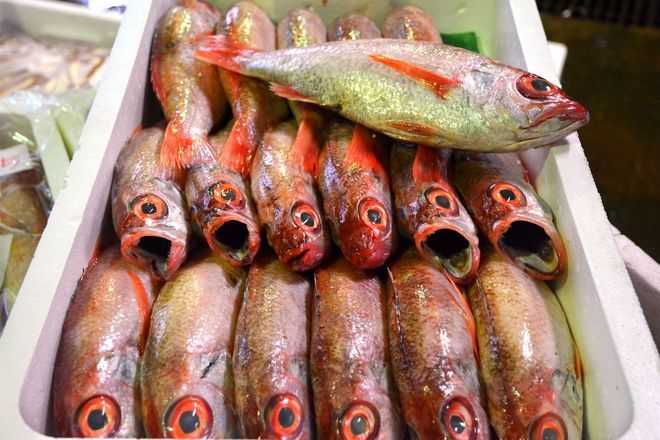
In an exciting breakthrough for seafood enthusiasts, Kindai University has achieved what many thought was impossible: the complete aquaculture of the nodoguro, or blackthroat seaperch, by raising the fish entirely in captivity. This remarkable development marks the first successful attempt globally as the nodoguro, known for its exquisite taste, is notoriously hard to farm due to its sensitivity to light and sound.
Bringing Back a Culinary Treasure
The nodoguro, also known formally as akamutsu or rosy seabass, has long been revered in Japan for its rich flavor, usually enjoyed as sashimi, boiled, or grilled. The fish has held high prices in markets due to unstable catches, making it a rare delicacy for many. With Kindai University's success, there is hope that this culinary treasure can be more widely available, potentially reviving Japan’s once-prosperous seafood culture.
A Greener Future for Food Production
This achievement not only promises a sustainable supply of nodoguro but could also pave the way for more durable fishing practices, preserving marine populations while simultaneously feeding local consumers. Kindai University aims for commercialization by around 2030, and this could reshape the seafood market landscape, offering consumers access to a beloved dish at a more reasonable price.
Culinary Delights Await
Recent taste tests confirm the nodoguro lives up to its reputation. Enjoying fresh nodoguro nigiri, one can appreciate the "umami" flavor that is said to ooze from its lightly charred skin. The enthusiasm for this fish is palpable, with enthusiasts eagerly anticipating its wider availability. The expression "nodo ga naru," which reflects a deep desire for something truly delightful, resonates with many as they await the day they can enjoy nodoguro without the high price tag.
As Kindai University continues its efforts, seafood lovers around the world can look forward to a phenomenon that combines tradition with innovation, making this ancient dish a staple once more.

