Revolutionary Inkjet Printed OLED Technology Set to Transform Display Affordability
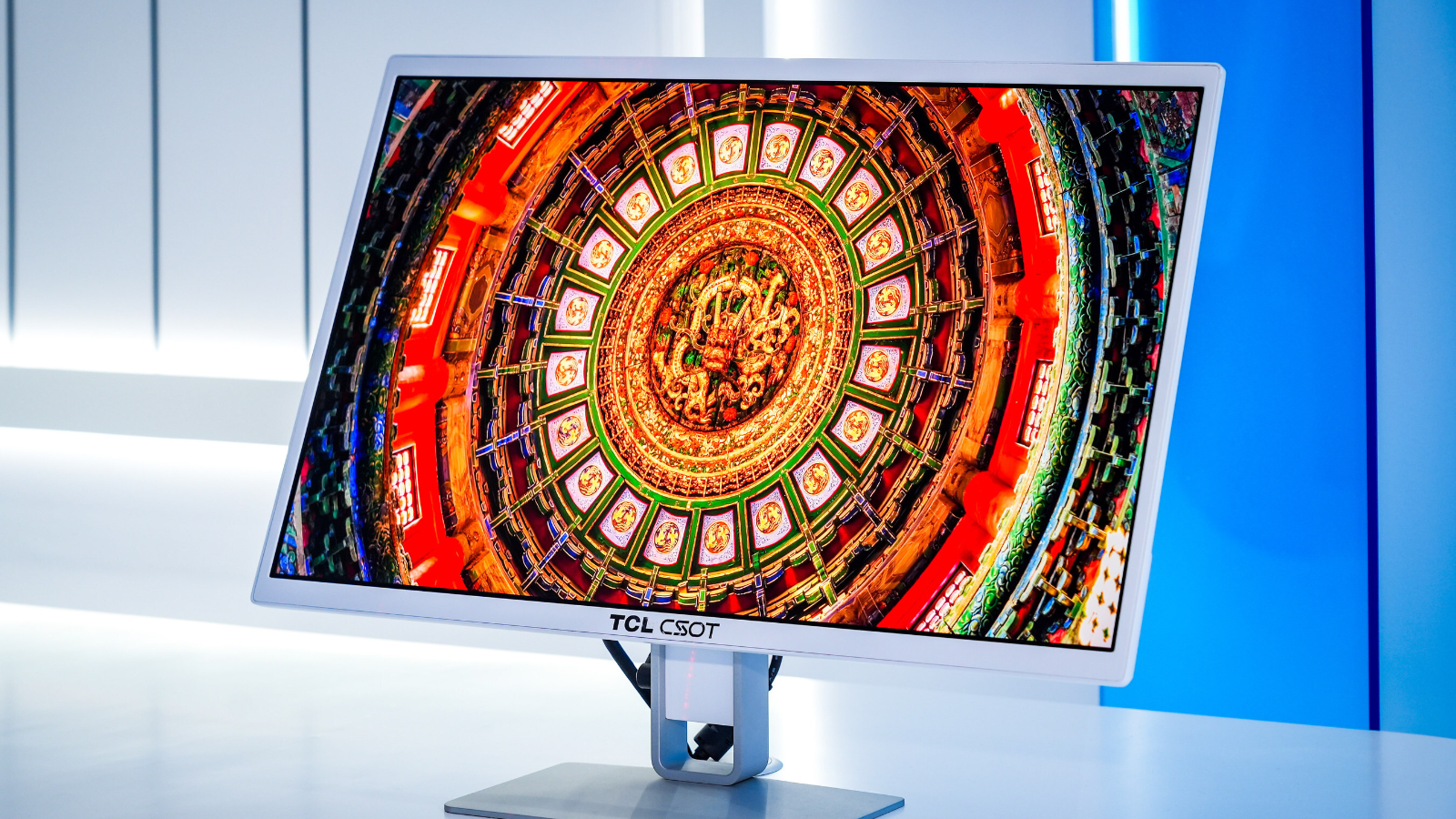
The world of display technology is on the cusp of a significant shift, as recent reports highlight the promising future of inkjet-printed OLED displays. This innovative approach is poised to drastically reduce production costs, making advanced OLED technology accessible to a wider audience. With potential savings of 30 to 35% compared to traditional production methods, the implications for consumers and manufacturers alike are substantial.
Affordability on the Horizon
According to industry analysts Omdia, the adoption of inkjet printing in OLED production is expected to lead to more affordable displays, particularly benefiting portable devices like laptops and smartphones. This advancement is crucial for enhancing consumer access to high-quality displays without the premium price tag that has historically been associated with OLED technology.
Increased Efficiency and Quality
Beyond cost savings, the inkjet printing process offers remarkable efficiency advantages. Manufacturers can produce a greater number of display panels from a single substrate, enhancing production capabilities. With improved quality control and decreased machinery costs, this shift not only maximizes output but also establishes a more sustainable production model.
A Bright Future Despite Challenges
While exciting developments are underway, challenges remain in perfecting inkjet-printed OLED technology, particularly concerning the longevity of blue pixels—a critical component of OLED displays. However, progress has been significant, with advancements increasing longevity from a mere 40 hours to 400 hours, while power consumption has been notably reduced. These enhancements signal a rapidly maturing technology that holds great promise for the future of display innovation.
Investment in the Future
Major investments are being made to support the development of this technology, with TCL CSOT committing $4 billion to expand its production capabilities. As factories geared towards mass production begin to take shape, consumers can expect to see OLED panels not only in laptops and monitors but also in the TV market by late 2027, making the dream of affordable OLED displays a reality.
In conclusion, the evolution of inkjet-printed OLED technology represents a landmark moment in electronics manufacturing, combining innovative production methods with the goal of enhanced affordability. As we anticipate the rollout of these displays in the consumer market, it is clear that the future of tech holds great promise for all.

