Revolutionary Inkjet Technology Set to Make OLED Displays More Affordable
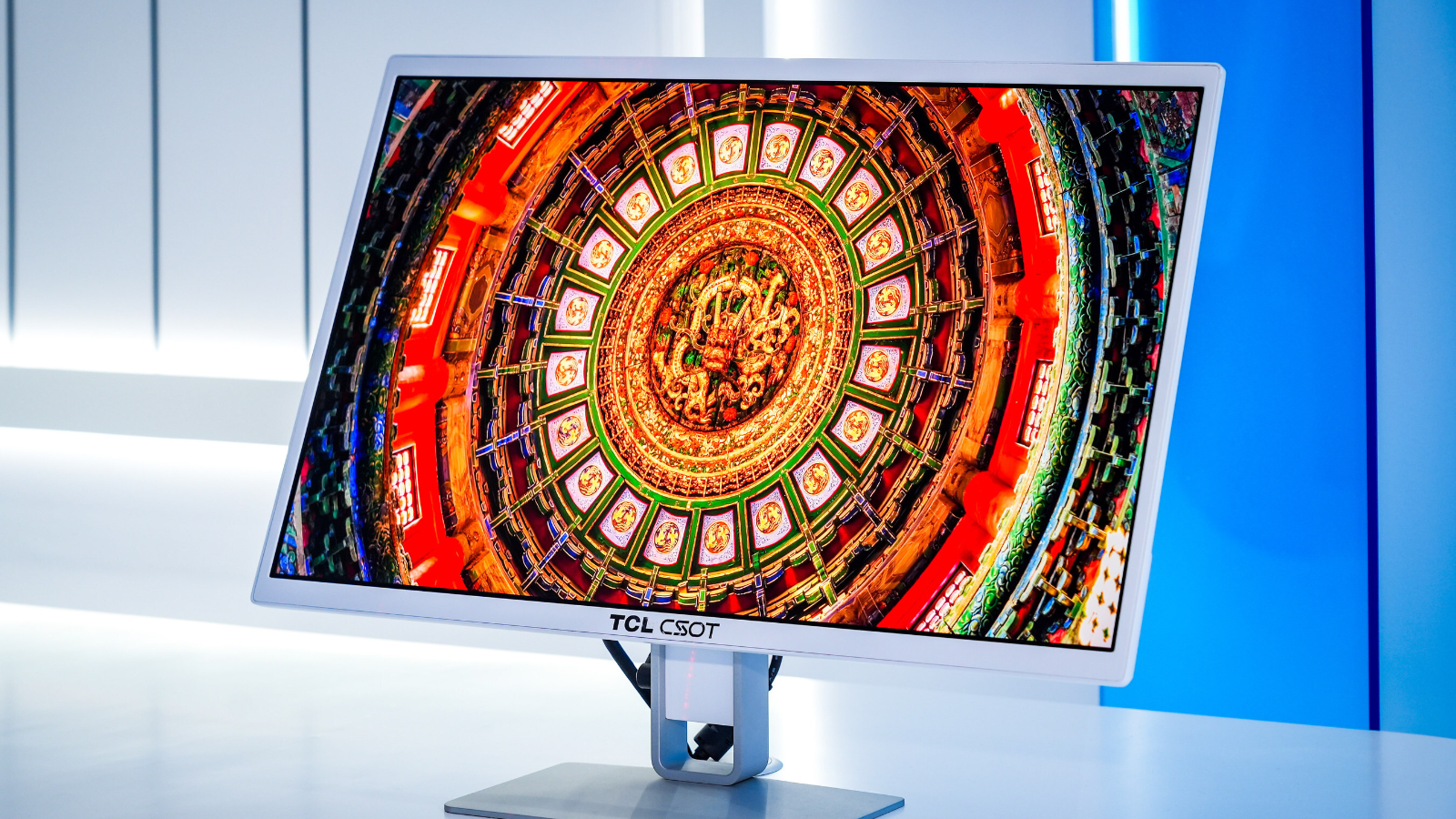
In a promising development for tech enthusiasts and consumers alike, the long-anticipated arrival of inkjet-printed OLED technology is projected to drastically reduce the production costs of OLED displays. This innovation is not only expected to make OLED screens more cost-effective in the near term, particularly for laptops and mobile devices, but it also holds the potential to transform the television market in the longer term.
Cost-Effective Production on the Horizon
According to experts from the display analytics firm Omdia, the costs associated with the current dominant production technology, Fine Metal Mask (FMM), are decreasing. However, inkjet printing is anticipated to be even more affordable, potentially slashing production costs by an impressive 30 to 35%. This significant price reduction stands to benefit a wide range of consumers, from laptop users eyeing the next-generation OLED MacBook Pro to families looking forward to more affordable large-screen TVs.
Increased Efficiency and Improved Quality
Beyond just lower costs, inkjet-printed OLED displays promise improved production efficiency as well. Manufacturers could potentially yield 10% more panels from a single substrate compared to traditional FMM methods. The lower investment needed for the machines required for inkjet printing further sweetens the deal for manufacturers, catalyzing a shift toward this innovative technology.
Challenges and Future Prospects
While the future of inkjet-printed OLED technology appears bright, it is not without its challenges. The lifespan of blue OLEDs created using this newer process has historically been an area of concern, with improvements still necessary for it to reach mass-market viability. However, TCL CSOT, a leading player in the field, has made significant strides, boosting the lifespan of blue pixels from just 40 hours in 2020 to an impressive 400 hours by late 2025, while simultaneously reducing power consumption by a third.
With substantial investments—like TCL's $4 billion allocation for its T8 plant in Guangzhou—manufacturers are focused on overcoming existing hurdles. The facility is expected to produce a remarkable 22,500 substrates monthly, aimed at various devices such as monitors, notebooks, and, in due course, large televisions.
As we await the mass production of these new inkjet-printed OLED panels, which is projected to begin by late 2027, consumers and manufacturers alike have much to anticipate in terms of innovation, cost reduction, and enhanced viewing experiences.

