Revolutionary Insights from Elephant Whiskers Could Transform Robotics
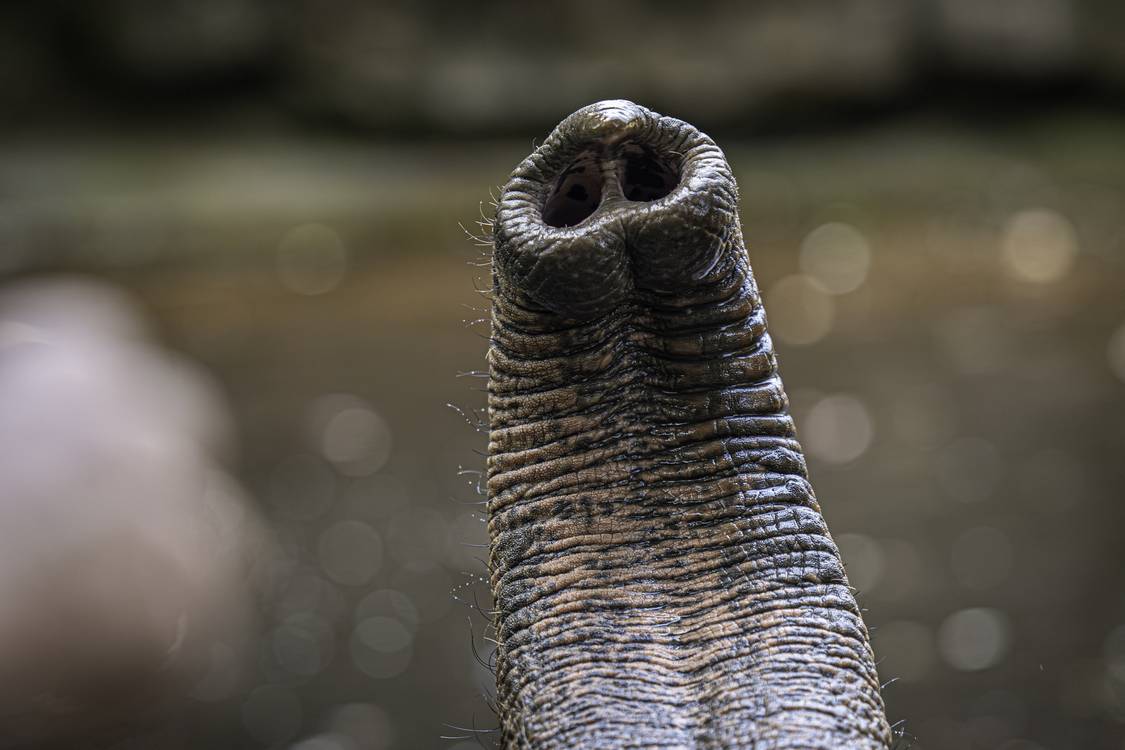
Recent groundbreaking research on the unique whiskers of elephants has unveiled remarkable insights that could significantly advance the field of robotics. The study, led by a team of German scientists, highlights how the specialized structure of elephant trunk whiskers enhances their exceptional sense of touch, enabling these majestic creatures to perform delicate tasks with precision.
Unraveling the Secrets of Elephant Whiskers
The new research indicates that the over 1,000 whiskers on an elephant's trunk possess a unique stiffness gradient that allows the animals to identify the specific points of contact as they interact with various objects. This ability is crucial for tasks as intricate as grasping a peanut or picking up a tortilla chip without causing damage. The findings emphasize a complex interplay of geometry, porosity, and stiffness in these remarkable sensory hairs.
Applications in Robotics Inspired by Nature
One of the most exciting aspects of this research is its potential application in robotics. The researchers aim to create innovative robotic sensing technologies that mimic the functional gradients found in elephant and cat whiskers. By developing bio-inspired sensors, they hope to enhance robotic systems, allowing them to understand their surroundings with greater accuracy and respond to delicate tasks more effectively.
The Future of Intelligent Systems
Dr. Andrew Schulz, the study's lead researcher, noted that the stiffness gradient provides elephants with a 'map' of contact points along each whisker, showing how their natural abilities can inspire future technologies. As we continue to explore the stunning capabilities of the animal kingdom, the implications for intelligent systems are vast and could lead to significant advancements in both robotics and artificial intelligence.
This pioneering research exemplifies how studying the natural world can lead to revolutionary technologies and solutions. As scientists continue to unveil the marvels of nature, we may find ourselves on the brink of a new era in robotics that closely resembles the intricate designs observed in nature.

