
Revolutionary Lab-Grown Chicken: A Game Changer for Sustainable Eating
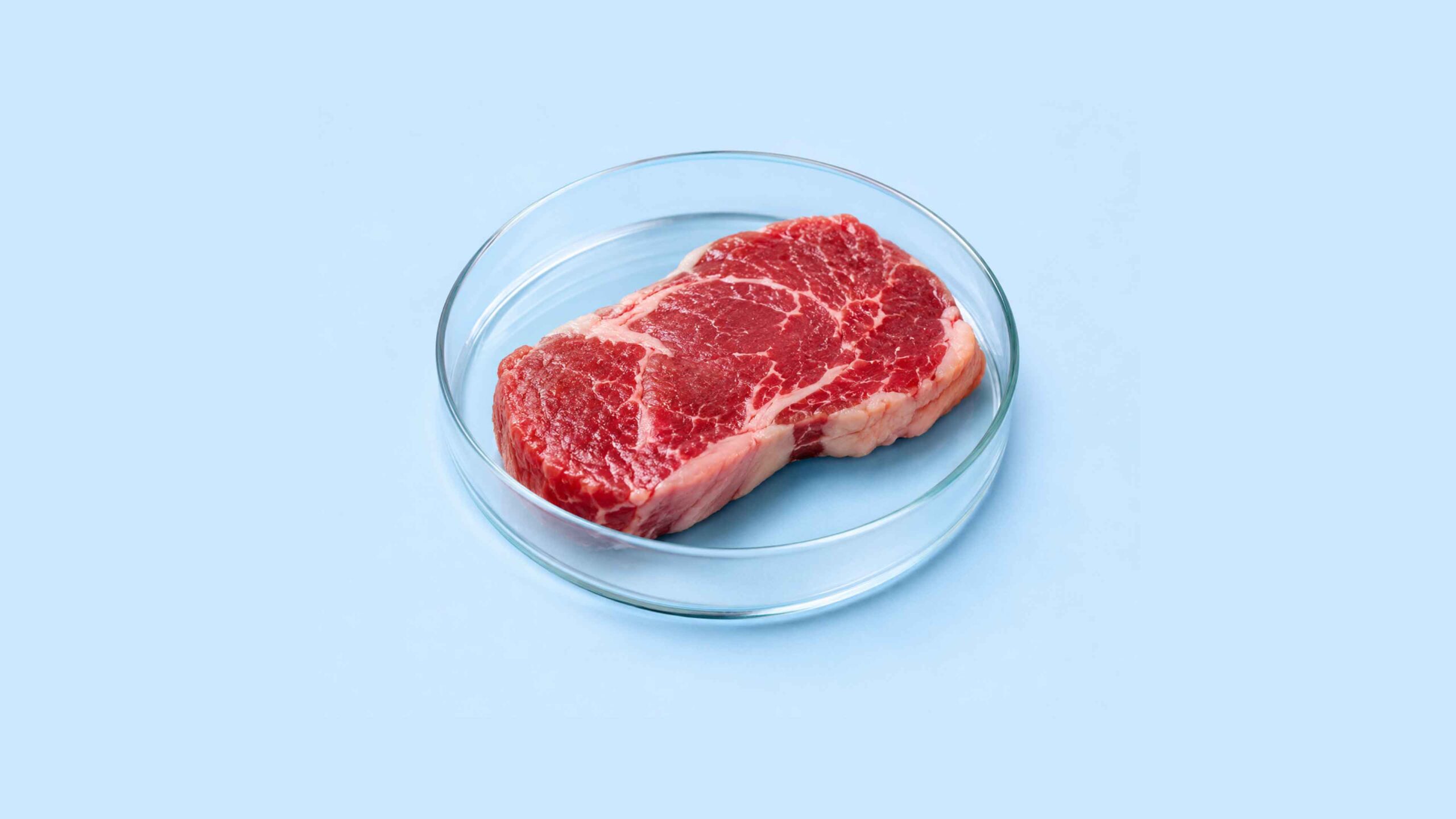
In an exciting development for both food lovers and environmentalists, lab-grown chicken has taken a significant step towards mainstream acceptance. What once cost an astronomical €250,000 per burger is now available for just $20, marking a major breakthrough in the production of sustainable meat alternatives.
Positive Impact on Climate Change
Recent advancements in lab-grown meat technology promise to tackle one of the most pressing issues of our time: climate change. By potentially reducing the greenhouse gas emissions associated with traditional livestock farming, lab-grown chicken offers a solution that could benefit millions and the planet alike. With livestock production responsible for around 12% of global human-caused emissions, the shift towards cultivated alternatives could be a significant stride towards a more sustainable future.
Accessible and Tasty Alternatives
UPSIDE Foods, an American company, is at the forefront of this revolution, having launched cultivated chicken to various restaurant venues across the United States. These innovative offerings are not only priced competitively at under $20 but are also gaining acclaim for their taste. This is exemplified by popular YouTuber MrBeast, who found it difficult to distinguish UPSIDE's cultivated chicken from conventional poultry during a taste test.
The Future of Eating
As discussions around ethical eating continue to evolve, the acceptance of lab-grown products by vegetarians and vegans speaks volumes about the potential of this technology. Many individuals who have long avoided meat express a willingness to embrace cultivated options, provided they meet environmental and ethical standards. This illustrates a growing consensus that lab-grown meat could represent a harmonious balance between animal welfare and culinary enjoyment.
The future of food is on the horizon, and lab-grown meat could become a staple on our plates. It presents a fascinating opportunity to separate the pleasure of eating meat from the moral dilemmas associated with conventional farming practices. As innovations continue to develop, there is hope that meat consumption can be redefined in a way that benefits both humanity and the planet.


