Revolutionary Method to Save South Africa's Rhinos: The Rhisotope Project
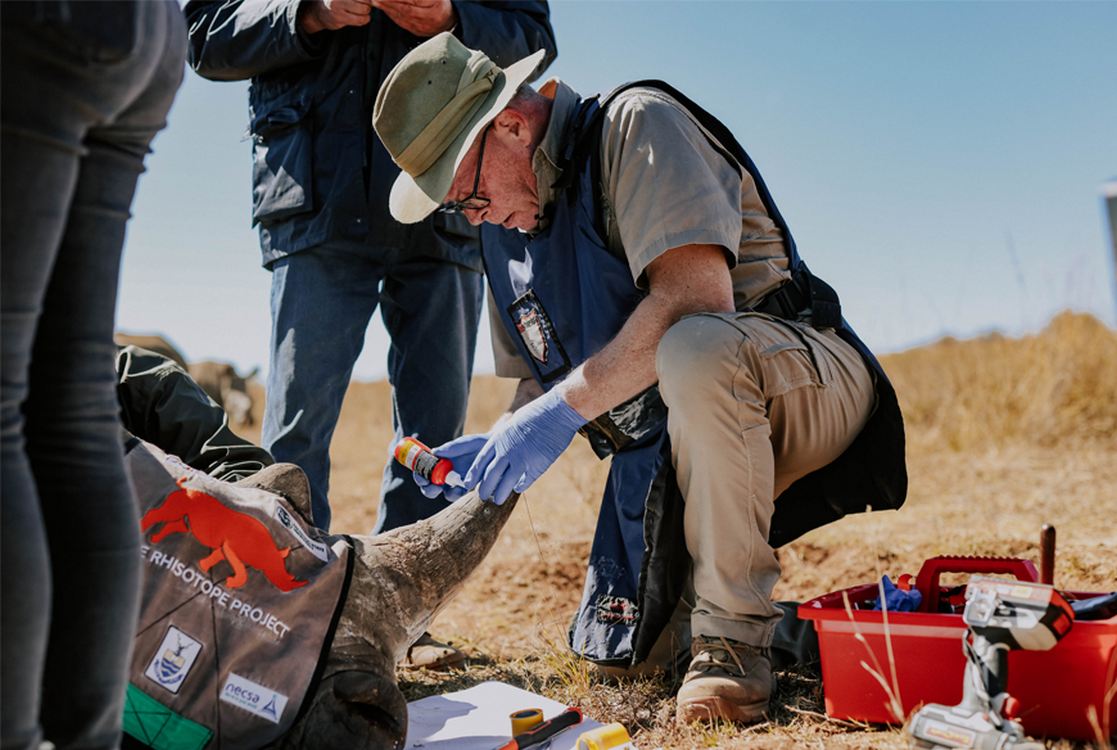
In a groundbreaking strategy that has taken six years to materialize, South Africa is launching the Rhisotope Project, a unique initiative designed to combat the alarming rise of rhino poaching. By embedding non-harmful radioactive isotopes into rhino horns, this innovative approach aims to render the horns undetectable and untraffickable across international borders, utilizing existing infrastructure intended for nuclear security. As the project begins to roll out in game reserves and parks, its potential impact on rhino conservation is significant.
Innovative Techniques and Safe Testing
Launched by the University of Witwatersrand-Johannesburg, the Rhisotope Project has undergone rigorous preliminary testing, confirming that the isotopes can be identified even when hidden in shipping containers. This not only promises to protect the rhinos but also safeguards a vital part of South Africa's natural heritage. The project's CEO, Jessica Babich, emphasizes the importance of deploying this technology at scale to ensure the survival of both white and black rhinoceroses, classified as "Near Threatened" and "Critically-Endangered" by the International Union for Conservation of Nature (IUCN).
A Collaborative Effort for Conservation
The efficacy of the Rhisotope Project has been corroborated by a six-month monitoring phase of rhinos in a nursery, which showed no adverse effects from the radioisotopes. This meticulous approach to testing has instilled confidence among conservationists, many of whom have hailed the isotope embedding method as a "magical idea." With over 11,000 machines capable of detecting radiation installed globally, this technology is positioned to drastically change the landscape of wildlife trafficking deterrent strategies.
Potential Economic Benefits for Landowners
With rhino horns fetching exorbitant prices on the black market, the financial implications of successful implementation of the Rhisotope Project are profound. Babich notes that this method could reduce costs associated with hiring anti-poaching teams and conducting routine de-horning procedures. By allowing rhinos to retain their horns while being safeguarded through isotope monitoring, landowners could see significant long-term savings, reinforcing their commitment to conservation efforts.
A Hopeful Future for Africa’s Iconic Wildlife
The path forward is bright as scientists and conservationists rally around this innovative approach to wildlife protection. Professor James Larkin, a key figure behind the project, expresses a combined sense of pride and hope as the initiative progresses from concept to reality. With the support of both the scientific community and private landowners, the Rhisotope Project may prove to be a crucial turning point in the struggle against rhino poaching, ensuring that these majestic creatures continue to roam the earth for generations to come.

