Revolutionary Project Aims to Save South Africa's Rhinos from Extinction
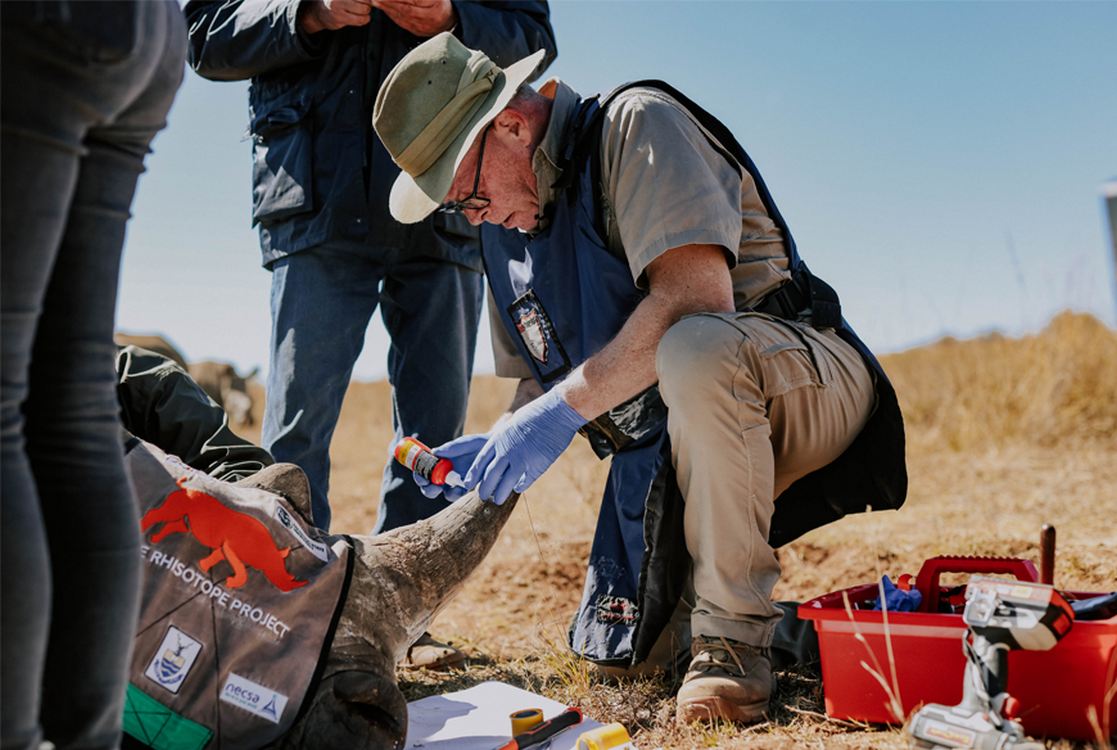
In a remarkable effort to combat illegal rhino poaching, South Africa has launched the Rhisotope Project—a cutting-edge initiative designed to embed non-harmful radioactive isotopes into rhino horns. This groundbreaking strategy, developed by a team from the University of Witwatersrand-Johannesburg, is not only innovative but also represents a significant advance in wildlife conservation.
Groundbreaking Technology for Global Protection
The essence of the Rhisotope Project lies in its ability to make rhino horns detectable at international borders, thereby dissuading poachers from illegal trafficking. The isotopes embedded in the horns can be easily identified by specialized machines at customs checkpoints around the world—suggesting that new technologies may finally provide a viable solution to a persistent and devastating problem.
Proven Safety and Effectiveness
Field tests conducted over a six-month period have verified that the isotopes do not harm the rhinos themselves, further enhancing the credibility of this approach. According to Professor James Larkin, the Chief Scientific Officer of the project, these findings indicate that the method is safe and effective for both the animals and for thwarting poaching efforts.
A Collaborative Effort for Conservation
The Rhisotope Project exemplifies a collaborative effort between academia, environmental organizations, and international agencies. With over 11,000 radiation detection machines available in more than 200 countries, the groundwork is being laid for a substantial global impact on wildlife protection. Jessica Babich, CEO of the project, emphasized the importance of partnership and funding, indicating that the initiative is actively seeking collaborators to extend its reach and effectiveness.
The Broader Implications for Wildlife Conservation
This innovative solution has broader implications not just for rhinos but for wildlife preservation as a whole. By reducing the costs related to anti-poaching efforts, which often entail extensive manpower and repeated procedures, the Rhisotope Project could help conserve not only financial resources but also the well-being of the animals. With rhinos being a vital part of South Africa's natural heritage, safeguarding their future is a priority not just for local stakeholders but for the global community as well.
As the Rhisotope Project enters its testing phase, there is an air of cautious optimism surrounding its success. If effective at scale, it could mark an important milestone in the battle against wildlife trafficking, ultimately leading to a more secure and sustainable future for these magnificent creatures.

