Revolutionary Project to Save South Africa's Rhinos from Poaching
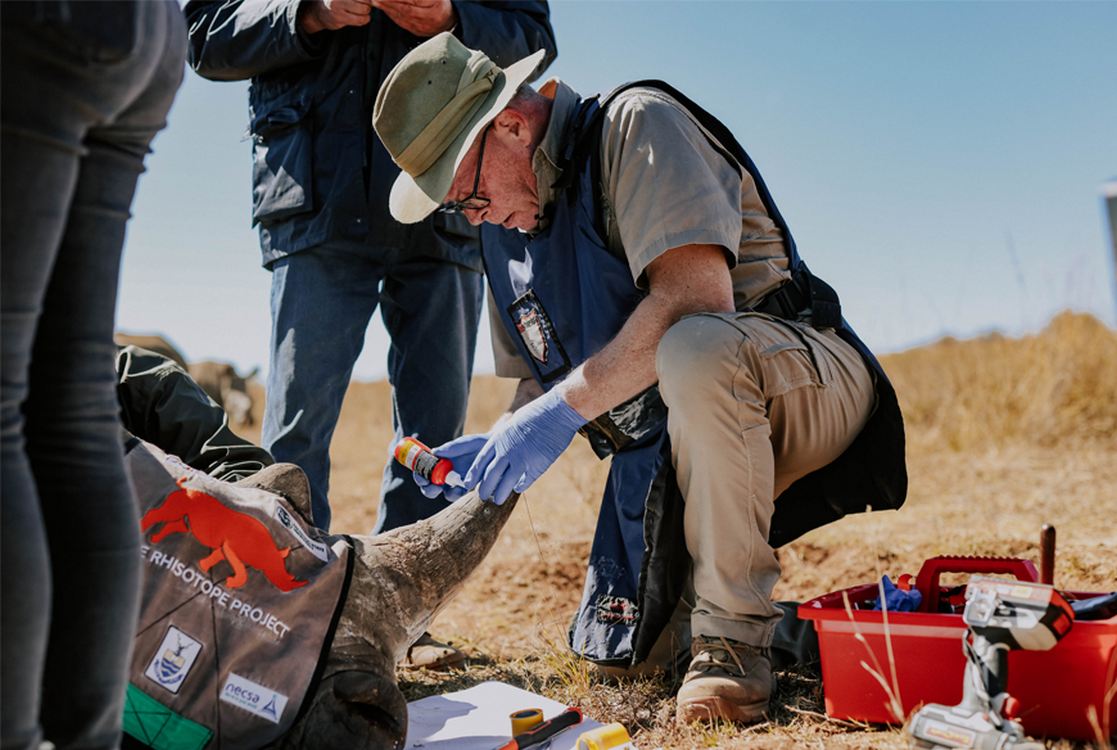
In a remarkable stride toward conservation, South Africa is implementing the innovative Rhisotope Project, a strategy developed over six years to combat the alarming rates of rhino poaching. This groundbreaking initiative involves embedding non-harmful radioactive isotopes into rhino horns, a solution that not only aims to deter poachers but also ensures the safety of these majestic animals.
How the Rhisotope Project Works
The Rhisotope Project, spearheaded by the University of Witwatersrand-Johannesburg, was designed to exploit existing nuclear security infrastructure at ports and airports to detect illegally trafficked goods. The isotopes embedded in the rhino horns create a unique signature, allowing authorities to trace and intercept poached rhinos quickly, even if their horns are concealed inside large shipping containers.
Proven Effectiveness and Safety
Field tests of the Rhisotope technology have shown promising results, demonstrating that the isotopes do not pose any danger to the rhinos. In a testing phase, 20 rhinos were monitored for six months, with researchers finding no signs of cellular damage caused by the isotopes. This crucial finding not only validates the project's approach but also represents a significant advancement in wildlife protection methods.
The Importance of Protecting Rhinos
As the home to the largest population of rhinos globally, South Africa faces an urgent challenge. The white rhino is classified as “Near Threatened” and the black rhino as “Critically Endangered” by the International Union for Conservation of Nature (IUCN). Jessica Babich, CEO of the Rhisotope Project, emphasized the project's broader implications, stating, "Our goal is to deploy the Rhisotope technology at scale to help protect one of Africa’s most iconic and threatened species. By doing so, we safeguard not just rhinos but a vital part of our natural heritage."
Future Collaborations and Funding
Private landowners in South Africa play a significant role in rhino conservation, as many rhinos live on privately-owned land. The Rhisotope Project is keen on forming partnerships and securing funding to expand its reach and effectiveness in protecting rhinos. Cost efficiency is a critical aspect of this initiative, as it aims to reduce the financial burden on landowners while keeping rhinos safe in their natural habitat.
With global rhino populations facing unprecedented threats, the Rhisotope Project shines as a beacon of hope. The innovative use of technology not only has the potential to drastically reduce poaching incidents but also establishes a new paradigm for wildlife protection that can be adapted in various contexts around the world.

